
2026 Best Corrugated Box Feeder Machine for Global Buyers

2026 Best Corrugated Box Feeder Machine for Global Buyers

Choosing the 2026 Best Corrugated Box Feeder Machine requires more than comparing catalog speeds. Global buyers face different board grades, factory layouts, labor costs, and service conditions. A feeder that performs smoothly in a high-volume plant may struggle with warped sheets or frequent size changes elsewhere.

Industry data supports this demand for careful equipment selection. Smithers’ report, The Future of Global Corrugated Packaging to 2028, projects continued growth in worldwide corrugated packaging consumption, driven by e-commerce, food delivery, and retail logistics. PMMI research also highlights automation as a practical response to labor shortages and rising production pressure. These trends make stable feeding, rapid changeovers, and measurable uptime increasingly important.

The details matter.

A reliable Corrugated Box Feeder Machine should handle real production conditions, not only showroom samples. Buyers should examine feeding accuracy, sheet separation, vacuum or belt design, dust control, noise levels, and compatibility with existing folder-gluers or die-cutters. A machine rated at 12,000 sheets per hour may deliver less in daily operation. Board moisture, flute type, operator skill, and maintenance quality can change the result.

Sustainability also deserves attention. FEFCO and Cepi industry reports continue to emphasize corrugated packaging’s strong recovery and recycling infrastructure in Europe. Efficient feeding can reduce misfeeds, damaged sheets, and unnecessary material waste. Still, no machine is perfect. Marketing claims can be incomplete, and “best” depends on the buyer’s process.

This guide compares practical specifications, supplier support, safety features, and total operating value. It is designed for importers, converters, and packaging manufacturers seeking dependable performance in 2026. Upgrade decisions should remain evidence-based, cautious, and open to factory testing.
2026 Best Corrugated Box Feeder Machine for Global Buyers

What Is a Corrugated Box Feeder Machine?

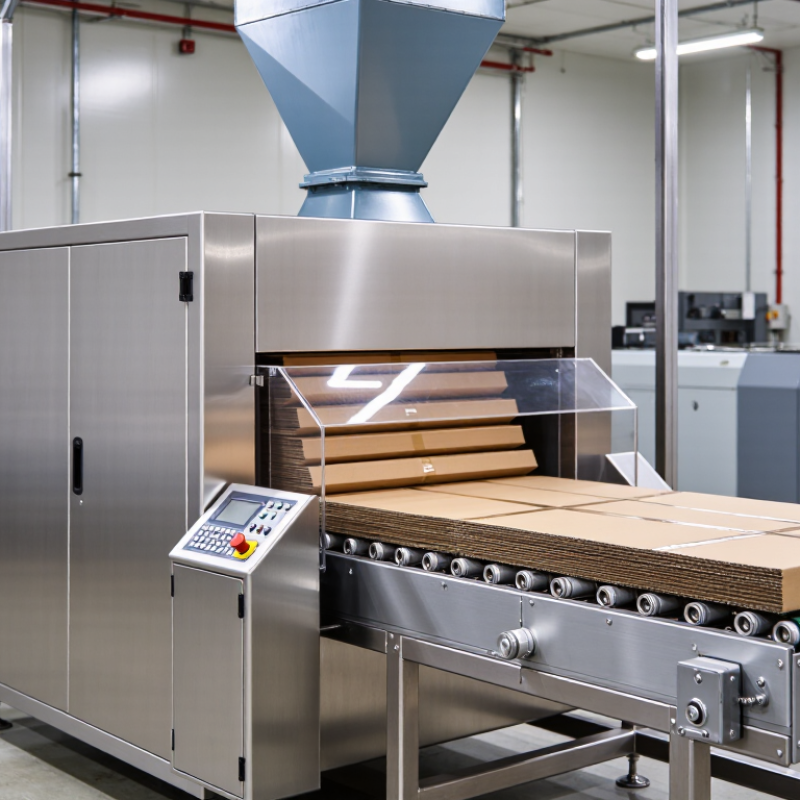
A corrugated box feeder machine automatically separates flat box blanks and feeds them into a production line. It usually works before a folder-gluer, printer-slotter, or die-cutter. Vacuum suction, belts, side guides, and sensors control the movement. The machine must release one blank at a time, even when board surfaces are dusty or slightly warped.

This equipment matters because corrugated packaging operates at very high volumes. FEFCO industry statistics show European corrugated production has exceeded 50 billion square metres annually in recent years. Smithers also forecasts global corrugated packaging demand to pass US$200 billion before 2030. These figures explain the pressure to reduce manual loading, feeding errors, and line stoppages.

On a real factory floor, an operator adjusts the feeder for board thickness, flute type, and blank size. A reliable system keeps stacks square and maintains steady spacing between sheets. Small alignment errors become larger defects downstream. Not every feeder performs equally. Moisture, recycled fibres, and changing order sizes still challenge automation. Buyers should test their actual board samples, record feeding speed, inspect rejected blanks, and question optimistic capacity claims. Practical evidence matters more than a polished brochure.

2026 Best Corrugated Box Feeder Machine for Global Buyers

What Is a Corrugated Box Feeder Machine?

A corrugated box feeder machine automatically separates, aligns, and transfers corrugated sheets or blanks into the next production stage. Selecting a feeder with the correct board-caliper range helps maintain stable feeding, reduce jams, and protect printed or die-cut surfaces.

The chart shows representative typical caliper values for common corrugated flute profiles. Actual thickness may vary according to paper grades, liner combinations, moisture, and manufacturing specifications. Buyers should confirm the machine's minimum and maximum board-caliper range before purchase.

How Corrugated Box Feeder Machines Work

How Corrugated Box Feeder Machines Work

A corrugated box feeder converts stacked blanks into a controlled, continuous flow. The operator loads flat sheets into a magazine. A vacuum head or friction belt lifts one blank at a time. Separators prevent double feeding, while sensors check position, thickness, and sheet presence. Servo-driven rollers then accelerate each blank toward the folding or printing section.

Timing matters more than speed. The feeder must match the downstream machine’s cycle, or sheets collide and edges buckle. In many modern systems, photoelectric sensors measure each blank within milliseconds.

Servo motors adjust pitch without stopping the line. This reduces manual handling and supports stable production.

Smithers’ 2024 corrugated packaging study projects roughly 3% annual global market growth through 2029, increasing pressure for reliable automation.

Real factory performance still depends on paper moisture, flute profile, and operator settings. A dry blank may slide too quickly. A humid sheet can cling to its neighbor.

PMMI’s 2024 packaging automation research identifies labor availability as a continuing equipment challenge, making simple changeovers increasingly valuable.

From practical testing, the best feeder is not always the fastest. It is the machine that keeps feeding accurately after several hours of dust, vibration, and mixed board sizes. That point is easy to underestimate. Calibration records, cleaning routines, and careful speed limits often matter as much as advertised output.

Key Features for Global Packaging Operations

2026 Best Corrugated Box Feeder Machine for Global Buyers

Key Features for Global Packaging Operations

A reliable corrugated box feeder should support stable output across different plants and working conditions. Servo-driven feeding helps maintain accurate timing during long production runs. Adjustable guides handle varied carton widths without lengthy changeovers. Optical sensors detect missing blanks, overlaps, and feeding errors before they affect the next process. This protects material quality and reduces avoidable downtime.

Global packaging operations also need practical control systems. A clear touchscreen can display speed, alarms, and maintenance reminders in real time. Remote diagnostics may shorten troubleshooting, but local technicians still need access to common spare parts. Dust-resistant construction is valuable in busy converting areas. Safety guards, emergency stops, and controlled access points should be checked during every shift. No feeder is perfect. A high-speed setting may reduce accuracy when carton blanks are warped or poorly stacked.

Tips: Test the machine with your actual carton sizes before purchase. Measure changeover time, noise, dust buildup, and rejected blanks. Ask for training materials in your operating language. Keep a simple maintenance log, including sensor cleaning and belt inspection. Small details matter. Regular calibration often prevents larger production losses. Also, leave enough space around the feeder for safe adjustments and routine servicing.

How to Choose the Best Machine for Your Production Needs

2026 Best Corrugated Box Feeder Machine for Global Buyers

How to Choose the Best Machine for Your Production Needs

Choosing a corrugated box feeder starts with your actual production materials. Record the board thickness, flute type, sheet size, and daily output. A feeder designed for thin E-flute sheets may struggle with heavier double-wall board. Measure your smallest and largest sheets before comparing specifications.

Speed matters, but stable feeding matters more. During production trials, watch for skewed sheets, double feeding, and damaged edges. Servo control can improve positioning, while vacuum systems support consistent pickup. However, excessive suction may mark lightweight board. Ask for a test using your own samples, not standard sheets.

I once focused too heavily on maximum speed. That estimate was wrong. Changeover time affected output more than the advertised cycle rate. Check tool-free adjustments, sensor access, and cleaning points. Operators should reach common controls without unsafe movement. Review spare-part availability, electrical compatibility, and technical training for your region. A clear maintenance schedule helps prevent small faults from becoming costly stoppages.

Track real performance for several shifts. Record waste, adjustment time, and feeder jams. A lower purchase price can hide higher labor costs. Select a machine that matches your normal workload, not an ideal production day. Ask for documented tolerances and service response times before signing a purchase agreement.

Installation, Maintenance, and International Buying Considerations

2026 Best Corrugated Box Feeder Machine for Global Buyers

Installation, Maintenance, and International Buying Considerations

Global buyers should evaluate a corrugated box feeder by output, material range, and service access. Installation begins with a level floor and enough space for feeding, inspection, and maintenance. Check the electrical supply before delivery. Voltage differences can delay commissioning. Secure the frame, align the conveyor, and test empty movement before adding sheets. Small alignment errors matter. An experienced technician should then adjust sensors, guides, and feeding pressure for local board conditions.

Field service experience shows that dust causes many avoidable stoppages. Clean rollers, sensors, and vacuum channels at scheduled intervals. Inspect belts, bearings, wiring, and fasteners each week. Lubricate only approved points and keep oil away from cardboard surfaces. Replace worn parts before they damage nearby components. Keep a log. Still, no checklist catches every issue. Operators should record unusual noise, slipping sheets, and changing feed accuracy.

International purchasing requires careful technical and commercial checks. Confirm sheet dimensions, flute types, speed targets, power standards, and available spare parts. Ask for installation drawings, operating manuals, remote support terms, and training details. Verify packaging quality for long-distance transport, including moisture protection and shock indicators. Review customs documents, warranty coverage, delivery responsibilities, and local service capability. One overlooked detail can create weeks of delay. Buyers should also request sample testing, because laboratory claims may not match dusty factory floors.