2026 Top Low Voltage Transformer Bushing Buying Guide?
The demand for Low Voltage Transformer Bushings is on the rise, as the global energy landscape evolves. According to recent industry reports, the market for these components is projected to grow by 5.6% annually through 2026. This growth emphasizes the increasing importance of reliable power distribution systems.
Expert Dr. Emily Richards, a leading authority in transformer technology, states, "The right bushing can significantly enhance the performance and longevity of transformers." Her insights reflect industry perspectives on the crucial role of Low Voltage Transformer Bushings. Selecting the appropriate product ensures not just operational efficiency but also safety and sustainability in electrical systems.
However, navigating the variety of choices on the market can be challenging. With various designs and materials, there are pitfalls and potential missteps. Understanding the specifications and applications of Low Voltage Transformer Bushings is essential for successful procurement. This guide aims to clarify these complexities, offering insights to aid your decision-making process.
Overview of Low Voltage Transformer Bushings
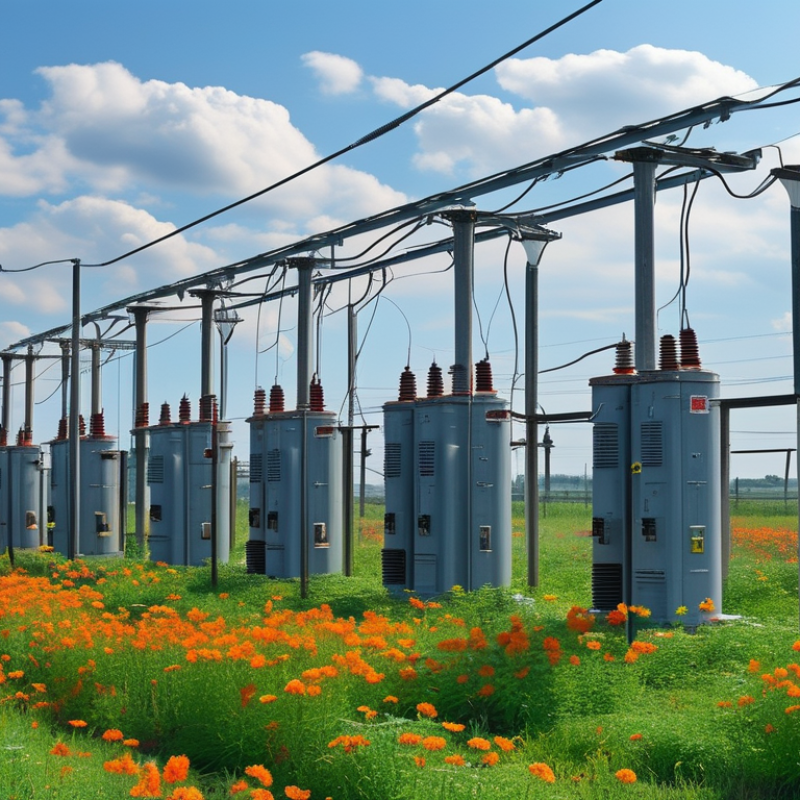
Low voltage transformer bushings play a crucial role in electrical systems. They provide an insulated path for conducting electricity from the transformer to distribution lines. These components are designed for reliability and efficiency, ensuring minimal energy loss. Their construction often includes porcelain or polymer materials to withstand environmental stresses.
The selection of bushings must consider voltage ratings, current capacity, and environmental conditions. Proper installation is key to avoiding faults. While many units are designed for durability, external factors can lead to wear and potential failure. It's essential to routinely inspect bushings for signs of damage or corrosion. A reactive approach to maintenance can be costly and risky.
Understanding the specifications of low voltage transformer bushings is vital. Each installation may require different models based on load and local regulations. Gaps in knowledge can lead to inappropriate selections, impacting overall system performance. Moreover, consulting with knowledgeable professionals can help in making informed decisions. These insights are critical to ensuring safety and efficiency in electrical networks.
Types of Low Voltage Transformer Bushings
When discussing low voltage transformer bushings, understanding their types is crucial for proper application and maintenance. There are mainly two types: porcelain and polymer bushings. Porcelain bushings, known for their durability, have a long history in the industry. According to industry reports, these can withstand harsh environmental conditions, making them reliable for long-term use.
On the other hand, polymer bushings are gaining popularity due to their lightweight nature and reduced risk of breakage. Data from the Electric Power Research Institute indicates that polymer bushings can provide enhanced performance in humid and corrosive environments. They yield a lower leakage current, contributing to improved efficiency in transformer operations.
In addition, research shows that improper selection of bushing types can lead to failures and increased maintenance costs. Installation and operational conditions must be assessed carefully. Each type has its benefits and drawbacks, reflecting the need for a thorough risk assessment when making a choice. Understanding these nuances can greatly influence the functionality and longevity of your low voltage transformers.
2026 Top Low Voltage Transformer Bushing Types
Key Features to Consider When Buying
When selecting a low voltage transformer bushing, several key features warrant close attention. The insulation type is crucial. Various materials, such as silicone or EPDM, might impact the bushing's durability. Look for products offering excellent temperature resistance. High ambient temperatures can shorten the bushing lifespan. Assess the environmental conditions where the bushing will operate. Harsh environments can lead to unexpected failures.
Another feature to consider is the mechanical strength of the bushing. It should withstand vibrations and physical impacts. Poorly designed bushings can fail under stress, leading to costly downtime. If possible, check for third-party testing certifications. These offer insight into reliability. However, be cautious: not all certifications guarantee performance in real-world situations.
Lastly, pay attention to sizing specifications. An improperly sized bushing can cause issues. This may include insulation breakdown or connection failures. Always measure carefully and consult technical resources. Embrace the learning process in this selection. Mistakes are part of the journey, and even professionals find challenges. Knowing the importance of these features leads to better choices in low voltage transformers.
Top Brands in Low Voltage Transformer Bushings
When selecting low voltage transformer bushings, it’s important to focus on top brands. High-quality brands ensure reliability and longevity. These bushings protect electrical connections and prevent moisture intrusion. A well-designed bushing accommodates thermal expansion, which is crucial for safety.
Certain brands are known for robust construction and dependable performance. These manufacturers invest in advanced materials and precise engineering. Their products often come with extensive warranties, signaling confidence in their durability. Attention to detail in design can make a significant difference.
While there are many reputable manufacturers, not all options are perfect. Price and performance can vary significantly. Some lesser-known brands might not meet reliability standards. It’s wise to research customer reviews and expert opinions. Always weigh the pros and cons before making a decision.
2026 Top Low Voltage Transformer Bushing Buying Guide
| Feature | Specification | Material | Voltage Rating (kV) | Protection Class | Weight (kg) | Dimensions (mm) |
| Heat Resistance | -50 to +90°C | Silicone Rubber | 15 | IP68 | 0.5 | 150 x 60 x 30 |
| Mechanical Strength | High Impact Resistance | Polyester | 25 | IP67 | 0.8 | 160 x 70 x 35 |
| Electrical Insulation | Class F | Nylon | 10 | IP55 | 0.4 | 140 x 65 x 25 |
| Environmental Safety | RoHS Compliant | EPDM | 20 | NEMA 6 | 0.6 | 155 x 68 x 28 |
Maintenance Tips for Transformer Bushings
Transformer bushings play a crucial role in electrical substations and power distribution systems. They ensure safe and reliable electrical insulation between the transformer and its external environment. Maintaining these components is vital to avoid costly downtime and ensure operational efficiency. A well-maintained bushing can last significantly longer. However, neglect can lead to failures.
Regular inspection is essential. Look for signs of wear or damage. This includes cracks in the insulation, oil leaks, or discoloration. A study by the Institute of Electrical and Electronics Engineers (IEEE) suggests that nearly 25% of transformer failures are due to bushing issues. Experts recommend conducting these checks at least once a year. Additionally, employing diagnostic tools like partial discharge detectors can significantly enhance maintenance efforts. These devices can identify problems before they escalate, offering a proactive approach.
Environmental factors also play a role in bushing integrity. Humidity, temperature fluctuations, and pollutants can all affect performance. For instance, moisture ingress can lead to insulation breakdown. The International Electrotechnical Commission (IEC) emphasizes that keeping the bushing environment clean and dry is paramount for longevity. Regular maintenance and environmental monitoring can prevent many failures, reducing overall operational costs.