2026 Best Maize Flour Mill Machine for Sale?

2026 Best Maize Flour Mill Machine for Sale?

Choosing the 2026 best Maize Flour Mill Machine for sale is not simply a matter of picking the largest motor or lowest price. The right machine should match your maize supply, production target, available power, and flour requirements. A small community mill may need a compact grinder with straightforward controls, while a commercial plant may require cleaning, conditioning, milling, and sifting equipment in one coordinated line. Every stage matters.

A useful comparison starts with practical details. Check the stated hourly capacity, then ask what maize type and moisture level were used to measure it. Look at screen options, flour fineness, motor power, and the parts that need regular replacement. Ask the supplier for a test run or a sample of the finished flour. Feel its texture. Check whether the machine heats the flour noticeably. Small observations can reveal more than a glossy product photo.

Service matters, too. Confirm installation support, operator training, spare-part availability, and warranty terms in writing. If possible, speak with a mill operator using a similar model. Their daily experience may differ from the sales description. That gap is worth noticing. A high-capacity machine can still be a poor fit if it runs unevenly, wastes grain, or sits idle while parts are shipped. No single model is best for every buyer. This guide examines key machine types, selection criteria, costs, and maintenance questions to help you compare options carefully. Some figures may look precise, but real output changes with maize quality and operating conditions. A little healthy doubt helps.
2026 Best Maize Flour Mill Machine for Sale?

What Is a Maize Flour Mill Machine and How Does It Work?

2026 Best Maize Flour Mill Machine for Sale?
What Is a Maize Flour Mill Machine and How Does It Work?

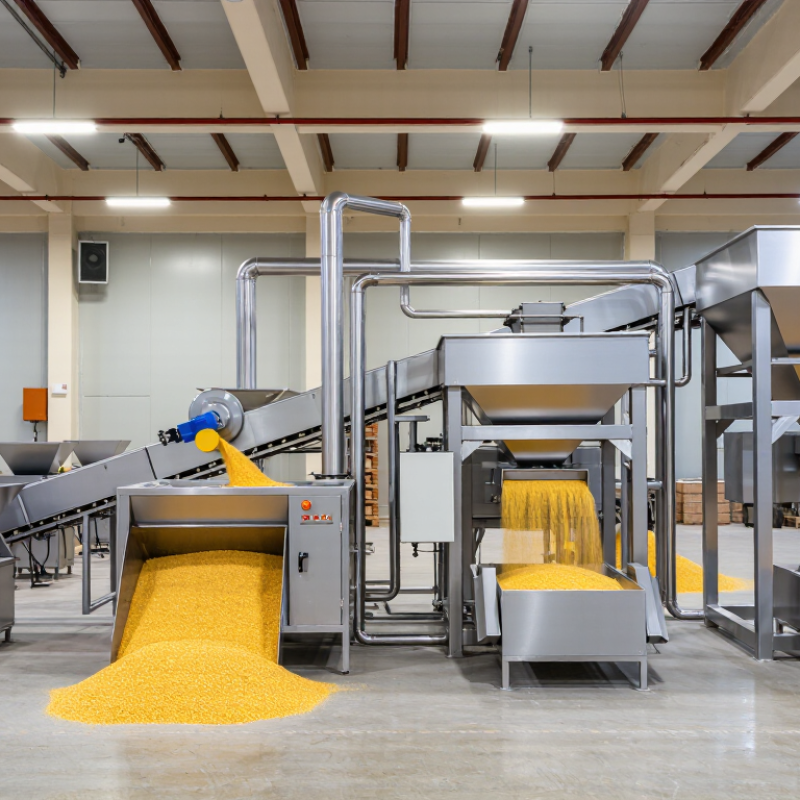
A maize flour mill machine turns cleaned maize kernels into flour through grinding and sifting. A typical setup may include a cleaner, a mill, and a screen or plansifter. First, cleaning removes dust, husks, and small stones that could damage equipment. The maize then enters the grinding chamber, where rollers or hammers reduce the kernels into smaller particles. Screens separate fine flour from coarse material. Coarse particles may return for another pass. The exact arrangement depends on the machine and the flour texture required.

Some mills need maize adjusted to a suitable moisture level before grinding. Too much moisture can cause clogging; very dry kernels may create excess dust. Operators should check screen condition, airflow, and flour temperature during production. A warm outlet is worth investigating. It can signal friction, poor adjustment, or overloading. No single setting suits every maize variety, so test small batches before changing production settings.

Tips: Ask for the machine’s capacity at your target flour fineness, not just its maximum output. Check how screens are replaced and which parts need routine cleaning. Keep a simple record of kernel moisture, settings, and flour texture. It takes time. A small test batch can reveal issues that a brochure won’t.

Which Types of Maize Flour Mill Machines Are Available in 2026?

Which Types of Maize Flour Mill Machines Are Available in 2026?

Maize mills range from compact hammer and plate mills to automated roller-milling lines. Hammer mills use rotating beaters and screens to produce meal or flour; changing the screen changes particle size. Plate mills grind grain between ridged surfaces and suit modest batch volumes. Small and direct. However, heat, noise, and uneven texture can be concerns if settings or maintenance are neglected.

For finer, more consistent flour, roller mills combine cleaning, conditioning, degermination, and successive grinding stages. They need more space and skilled adjustment, but suit larger output targets.

FAOSTAT records about 1.16 billion tonnes of global maize production in 2022; USDA’s December 2024 Grain: World Markets and Trade forecast put 2024/25 output near 1.22 billion tonnes. These figures show the crop’s scale, not the right machine size for an individual mill.

Wet-milling systems are another option, mainly for separating starch, germ, and protein rather than making everyday flour. They require water handling and more complex processing. That distinction matters.

A buyer should compare usable flour yield, target fineness, power use, and local repair skills—not just the advertised capacity. Capacity figures can mislead; real grain moisture and operator experience affect throughput, too.

How Is Maize Flour Produced from Cleaning to Milling?

Maize flour production begins with inspection, not the mill. Workers remove stones, metal, dust, and damaged kernels using screens, aspiration, and magnetic separators. Small stones matter. They can damage equipment and contaminate finished flour. A controlled moisture level also helps kernels mill consistently. FAO grain-storage guidance places long-term maize storage near 13% moisture, though climate and storage conditions affect the safe target.

Clean maize is conditioned, then passed through a degerminator or roller mill. The process breaks kernels and separates bran and germ from the starchy endosperm. FAO’s Maize in Human Nutrition report estimates that endosperm makes up about 83% of the kernel, with roughly 11% germ and 5% pericarp. These proportions explain why flour extraction varies with kernel quality, screen settings, and the desired texture. There is no single yield figure that fits every plant.

Sifters classify the milled material by particle size. Coarse fractions may return for another pass, while finer flour moves to blending and packing. Operators should check flour temperature, particle size, and visible bran throughout a run. A clean sample can still hide uneven fineness. That is easy to overlook. Recording moisture and yield by batch helps identify drift, although records cannot replace hands-on inspection of the flour and equipment.

2026 Best Maize Flour Mill Machine for Sale? How Is Maize Flour Produced from Cleaning to Milling?

Approximate composition of a maize kernel—the material cleaned, conditioned, and separated during dry milling.

Maize flour production typically begins with cleaning to remove foreign material, followed by conditioning and milling. Sifting separates the milled material by particle size. Kernel fractions vary by variety and processing method; these approximate shares describe kernel composition, not guaranteed flour yield.

What Factors Determine the Best Machine for Your Production Needs?

The best maize flour mill is not simply the machine with the highest advertised capacity. Match its hourly output to your expected demand, available power, and operating schedule. A unit rated for one tonne per hour may produce less with damp grain or frequent size changes. Ask how capacity was measured, and request a trial using maize similar to yours.

Flour texture is equally important. Hammer mills can suit general-purpose flour, while roller systems offer more control over particle size. Check the screen options, adjustment process, and flour temperature during extended runs. That matters. Also inspect the grain-cleaning setup, dust controls, and how easily operators can reach parts that need routine cleaning. These details affect product consistency and downtime.

Calculate more than the purchase price. Compare energy use, wear-part costs, maintenance access, and the availability of trained technicians. Check this closely. If possible, observe a full production run and weigh the usable flour, not just the grain entering the mill. A machine that looks perfect on paper may disappoint in a small room with unstable power. I would also leave room in the layout for bags, airflow, and safe operator movement; this is easy to overlook. Share your target flour grade and daily volume with the supplier, then compare the proposed setup against those needs.

How Can Buyers Compare Prices, Suppliers, and After-Sales Support?

A 2026 maize flour mill quote is meaningful only when its assumptions are clear. Compare hourly capacity using the same maize variety, moisture level, and flour fineness; a headline figure alone can mislead. Request a witnessed test run and record output, extraction rate, power draw, and the amount of bran or rejected material. Small details matter.

Operating costs deserve equal attention. The International Energy Agency’s report on electric motor-driven systems estimates that motors account for about 69% of industrial electricity use. Ask suppliers for motor ratings and expected energy consumption per tonne, then compare those figures with your local power costs. Include installation, freight, spare screens, and routine maintenance in the delivered price. FAO’s 2023 food-loss reporting estimated that 13.2% of food was lost globally between harvest and retail in 2021; reliable cleaning and handling equipment can help reduce avoidable losses, though a mill alone cannot prevent them.

Check after-sales support before paying a deposit. Ask which wear parts are stocked locally, how quickly technicians respond, and whether training covers adjustment and safe cleaning. Request contact details for comparable installations, not just polished videos. That matters. Put warranty length, exclusions, and service charges in writing. A cheaper machine may still be the right choice, but I would not trust a promise of “lifetime support” without clear terms.

2026 Best Maize Flour Mill Machine for Sale? - How Can Buyers Compare Prices, Suppliers, and After-Sales Support?

Indicative 2026 planning ranges in USD, not supplier quotations. Actual prices depend on destination, configuration, materials, automation, freight, duties, and installation scope.
Buyer scenario Typical machine or line Indicative capacity Indicative equipment budget Supplier and after-sales checks Best suited for
Very small operation Standalone hammer mill or small plate mill; usually requires separate grain cleaning and packaging equipment. About 20–100 kg/h, depending on maize condition, screen size, and desired fineness. About $300–$3,000 for the mill; accessories and electrical work may be extra. Confirm motor voltage and phase, spare screen and hammer availability, warranty coverage, and whether the supplier can provide operating instructions in a usable language. Household, farm, or small community production where a simple, low-cost machine is the priority.
Small commercial mill Hammer-mill system with basic feeding, cyclone or dust collection, and a small sifter; cleaning may be separate. About 100–300 kg/h; actual output varies with moisture, kernel hardness, and flour specification. About $3,000–$15,000 for a basic processing setup. Ask for a written scope of supply, test results for comparable maize, recommended screens, spare-parts prices, and the response process for technical problems. Local shops and emerging mills that need more regular production but do not require a full roller-milling line.
Growing commercial operation Compact roller-mill or multi-stage milling system with cleaning, degermination or separation where specified, sifting, and conveying. About 300–1,000 kg/h for many compact setups; capacity depends on the process and finished-product requirements. About $15,000–$80,000 for a configured equipment package; building and installation costs may be additional. Request a process-flow diagram, guaranteed capacity conditions, expected extraction or yield assumptions, commissioning terms, operator training, and a priced list of critical spares. Businesses supplying local or regional markets that need more consistent output and product quality.
Medium-scale plant Integrated maize milling line with grain cleaning, conditioning as required, milling, sifting, conveying, and optional packing equipment. About 1–5 tonnes/h, subject to line design, product mix, and operating hours. About $80,000–$400,000 or more; civil works, utilities, freight, duties, and installation can materially increase total project cost. Check the full equipment list, utility loads, layout, automation scope, installation schedule, warranty exclusions, remote-support availability, and service travel costs. Established processors seeking an integrated line and a defined commissioning and maintenance plan.
Large industrial plant Engineered, automated plant with multiple milling passages, grain handling, dust control, electrical systems, and optional storage and packing. Typically 5 tonnes/h and above; confirm whether the stated figure is input capacity or finished-flour output. Often $400,000 to several million dollars, depending on capacity, automation, building scope, and project location. Evaluate engineering references, performance guarantees and test conditions, project management, local service arrangements, training, and long-term parts supply. High-volume processors planning a major investment with formal engineering, installation, and lifecycle support requirements.
How to compare offers: Compare machines with the same maize input, target flour fineness, capacity basis, included equipment, and delivery terms. Request a written quotation that separates equipment, freight, installation, training, taxes, and optional items. Before paying a deposit, verify the supplier’s legal details, request a live or recorded machine test, review warranty terms, and confirm the availability and lead time of wear parts.