2026 Top Gate Valve Trends for Global Buyers to Explore?
The global Gate valve market is evolving rapidly. By 2026, these trends will greatly influence global buyers. According to a recent industry report by Grand View Research, the global valve market is expected to reach $87 billion by 2026, with gate valves playing a significant role in this growth.
Renowned expert Dr. Emily Thompson emphasizes, “Understanding the gate valve's applications and innovations is crucial for buyers.” Her insights highlight the necessity for buyers to stay informed. Innovations in materials and design are transforming gate valves, making them more efficient and reliable. These changes reflect an evolving industry responsive to new technologies and environmental concerns.
Yet, challenges remain. Buyers must navigate complex supply chains and fluctuating material costs. The growing emphasis on sustainable practices often leads to higher initial investments. However, perceived long-term benefits must not be overlooked. Recognizing these dynamics is vital for making informed decisions in the gate valve sector.
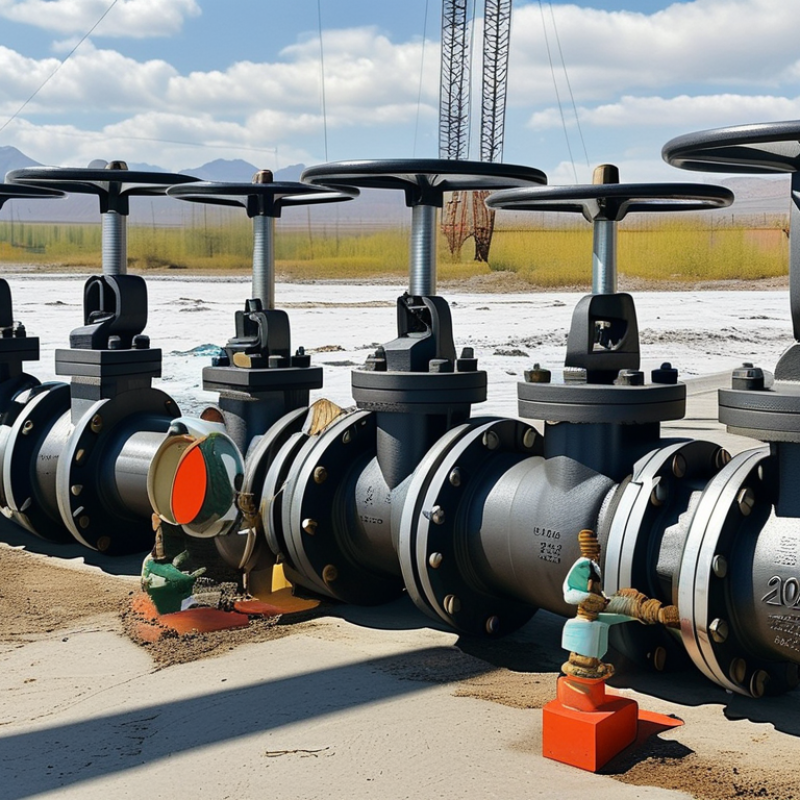
Emerging Materials and Technologies in Gate Valve Production
The gate valve industry is undergoing significant transformation, driven by emerging materials and innovative technologies. Advanced alloys and composite materials are gaining traction. These materials enhance performance and durability while reducing weight. Manufacturers are now exploring eco-friendly options to meet market demands.
Adopting advanced technologies like 3D printing is revolutionizing production processes. This method allows for intricate designs, leading to better valve shapes and performance metrics. Moreover, automation in manufacturing is improving efficiency, ensuring consistent quality. However, the transition to smart technologies requires careful planning.
Tips: Ensure your supplier is knowledgeable about new materials. Staying informed will help avoid outdated solutions. Consider assessing the environmental impact of materials used in production. A proactive approach leads to better decision-making in your procurement strategy.
Sustainability Trends Impacting the Gate Valve Market
Sustainability is reshaping the gate valve market significantly. Buyers are increasingly looking for environmentally friendly options. This shift reflects a broader movement towards sustainability in industrial sectors. Companies are investing in eco-friendly materials and processes. Using recyclable materials is now a key factor for many manufacturers.
Innovative designs are emerging, focusing on energy efficiency. These valves must function effectively while minimizing environmental impact. However, not all manufacturers are achieving this balance. Some continue to prioritize cost over environmental considerations, leading to a gap in the market. This inconsistency creates both challenges and opportunities for buyers seeking sustainable products.
Market trends indicate a rising demand for transparency. Buyers want to know about the sourcing and manufacturing processes of gate valves. Consumers are also educating themselves on the long-term impacts of their purchases. This trend can drive manufacturers to adopt sustainable practices, but it requires commitment and innovation. It is essential for companies to keep evolving.
Global Market Dynamics: Key Players and Competitive Landscape
The global gate valve market is witnessing dynamic growth due to various factors. Key players are innovating to meet rising demands. They focus on enhancing performance and durability. There is a notable shift towards automation in operations. Automated valves allow for remote monitoring and control. This trend offers greater efficiency, making systems more reliable.
Competitive landscapes are shifting, with new entrants challenging established players. Many companies are investing in research and development. They aim to create high-performance products at competitive prices. This can lead to a crowded market, raising concerns about product quality and reliability. Buyers must carefully evaluate options, as not all manufacturers meet rigorous standards.
Sustainability is becoming a priority in the industry. As environmental regulations tighten, businesses must adapt. Companies are exploring eco-friendly materials and processes. However, this transition can be complex. Many firms struggle with balancing cost and sustainability. Buyers should consider suppliers' commitment to environmental practices. They must remain aware of evolving regulations and certification processes.
Innovations in Gate Valve Design for Enhanced Performance
Innovations in gate valve design are crucial for improving industrial performance. With rising demands across sectors, engineers are focusing on enhanced reliability and efficiency. Recent reports indicate that the global valve market is expected to reach $119 billion by 2025. This growth drives innovation in materials and designs.
One significant trend is the use of advanced materials. Manufacturers are increasingly adopting corrosion-resistant alloys, which extend valve life. The integration of smart technology is also notable. Smart gate valves with IoT capabilities enable real-time monitoring, providing actionable data. According to industry studies, these innovations can reduce maintenance costs by up to 30%.
However, challenges remain. Implementation of new technologies can be expensive. Small and medium enterprises might struggle to adapt. There's also a learning curve associated with new systems, which could lead to operational inefficiencies initially. These factors necessitate ongoing training and investment in new skill sets, presenting further obstacles in the adoption of innovative designs.
2026 Top Gate Valve Trends for Global Buyers to Explore
Future Applications and Demand Drivers for Gate Valves Worldwide
The demand for gate valves is set to rise significantly in various sectors. The energy industry is a major driver. With the push for renewable resources and energy efficiency, gate valves will play a crucial role. They ensure reliable flow control in pipelines and facilitate the transition to greener technologies. Additionally, industries such as water treatment and manufacturing also rely heavily on these valves.
Future applications for gate valves are expanding. In chemical processing, for instance, precise and safe flow regulation is essential. The increasing complexity of modern systems makes high-quality valves critical. Furthermore, innovations in materials are improving valve durability. This advancement helps meet the growing demands of diverse environments. However, the industry must address challenges like cost management and maintenance needs. These factors can impact decision-making for global buyers. Evaluating options carefully will be crucial for long-term effectiveness.