Top 10 Benefits of Duct Fans for Your Home Ventilation Needs?
When considering home ventilation solutions, a Duct Fan can significantly enhance your indoor air quality. These fans are designed to improve airflow throughout your living spaces. Proper ventilation is essential for reducing humidity and preventing mold growth.
Many homeowners underestimate the impact of a Duct Fan. It creates a controlled environment by facilitating air exchange. As a result, you may notice fewer allergens and dust particles in your home. Each benefit compounds over time, leading to a healthier living space.
Investing in a Duct Fan comes with easy installation and maintenance. However, it’s essential to choose the right size for your home. Some fans may be too loud, while others might not provide enough airflow. This requires careful consideration to avoid common pitfalls. A well-placed Duct Fan can make a noticeable difference in comfort. Ultimately, the choice to install a Duct Fan can be a pivotal step toward achieving optimal ventilation.
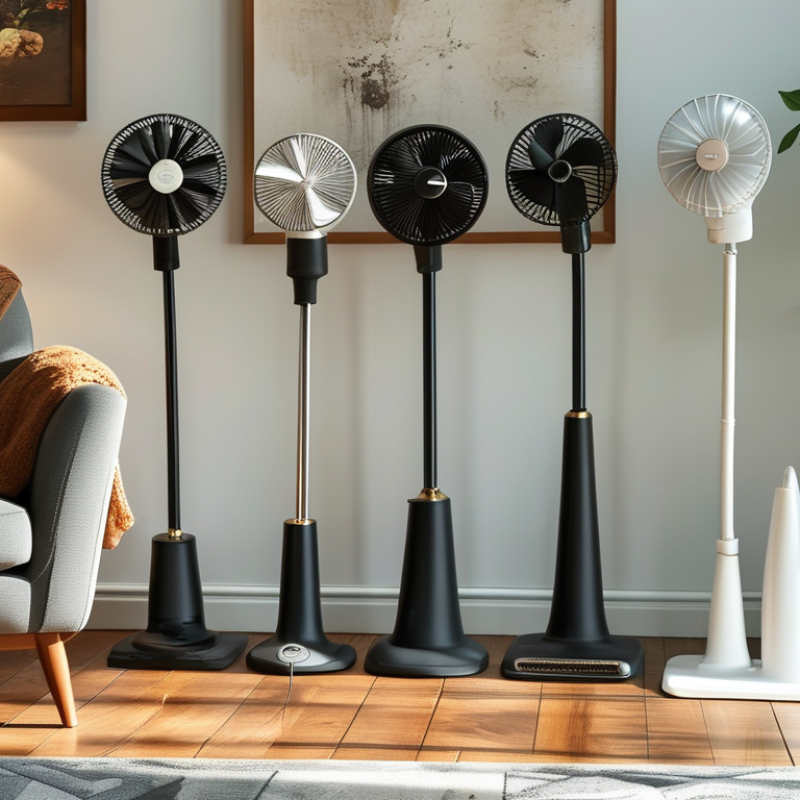
Introduction to Duct Fans and Their Role in Home Ventilation
Duct fans play a crucial role in home ventilation. They help improve airflow, ensuring each room receives fresh air. By installing these fans, homeowners can create a more comfortable living space. Proper airflow reduces humidity levels, which can prevent mold growth. This aspect is significant in areas with excessive moisture.
Effective ventilation promotes better indoor air quality. Duct fans help to eliminate stale air, odors, and allergens. Their use can make a noticeable difference. People often don’t realize how air quality affects their well-being. Moreover, duct fans can be energy-efficient, especially when used with modern HVAC systems. However, improper installation may lead to inefficiencies or noise issues.
Choosing the right duct fan is not always straightforward. It requires careful consideration of your home’s needs. Not every fan suits every space. Performance varies based on room size and layout. Therefore, assessing your specific situation is essential. Familiarity with ductwork dynamics is also beneficial. Engaging HVAC professionals can offer valuable insights.
Top 10 Benefits of Duct Fans for Your Home Ventilation Needs
Key Benefits of Improving Air Flow with Duct Fans
Duct fans play a crucial role in enhancing air flow throughout your home. Efficient air circulation can significantly reduce indoor air pollutants. Reports indicate that poor air quality can lead to respiratory issues. Duct fans improve ventilation, making the air fresher and more breathable. Enhancing air flow helps in controlling humidity levels, which can prevent mold growth. Mold can pose serious health risks.
Moreover, installing duct fans can lead to energy savings. According to studies, better ventilation can reduce the need for heating and cooling systems, leading to lower energy bills. In colder months, duct fans can redistribute warm air effectively. This could mean a noticeable difference in your comfort levels. However, improper installation or sizing can reduce their effectiveness. It’s essential to assess your home’s specific needs.
In addition, duct fans can help reduce hot and cold spots within a room. Homes with varying temperatures can benefit from improved air distribution. Even with advancements, not all duct fan systems work equally well in every setting. Homeowners might need to experiment with different fan types for optimal performance. Proper assessment and adjustments are vital for achieving the best results.
Top 10 Benefits of Duct Fans for Your Home Ventilation Needs
| Benefit | Description | Impact on Home |
| Improved Air Quality | Duct fans help filter and purify indoor air, reducing pollutants. | Promotes a healthier living environment. |
| Energy Efficiency | They can reduce the workload on HVAC systems. | Lower energy bills and reduced carbon footprint. |
| Noise Reduction | Duct fans can be quieter than traditional venting systems. | Creates a more peaceful home environment. |
| Enhanced Comfort | Consistent airflow maintains even temperatures throughout the home. | Increased comfort and satisfaction for occupants. |
| Moisture Control | Duct fans aid in reducing excess humidity. | Prevents mold growth and structural damage. |
| Versatility | Can be installed in various areas to target specific ventilation needs. | Flexible solutions for different room types and sizes. |
| Cost-Effective Solutions | Typically more affordable than major HVAC upgrades. | Budget-friendly improvement options for homeowners. |
| Increased Home Value | A well-ventilated home is appealing to potential buyers. | Enhances property marketability and resale value. |
| Innovative Technology | Modern duct fans often include smart features. | Improves usability and integration with smart home systems. |
| Minimal Maintenance | Requires less upkeep compared to other ventilation solutions. | Saves time and reduces long-term costs. |
Enhancing Indoor Air Quality with Duct Fans
Indoor air quality significantly impacts health and comfort. Duct fans enhance ventilation by ensuring a steady flow of fresh air. According to data from the Environmental Protection Agency, indoor air can be 2 to 5 times more polluted than outdoor air. By integrating duct fans, households can dilute pollutants and allergens, creating a healthier environment.
One notable benefit is the reduction of humidity levels. High humidity can cause mold growth and discomfort. Duct fans help maintain optimal moisture levels, which is crucial for respiratory health. Research indicates that maintaining humidity between 30% and 50% can minimize the occurrence of respiratory issues. Effective ventilation is not just a luxury; it's a necessity for well-being.
Moreover, duct fans are energy-efficient options for enhancing air quality. They can be used strategically to balance airflow without excessive energy consumption. However, improper installation or sizing may lead to ineffective ventilation. Families should consider consulting experts for optimal placement. Investing in duct fans is a practical step towards improving indoor air quality and promoting a healthier living space.
Energy Efficiency Gains from Duct Fans in Home Systems
Duct fans are becoming essential for enhancing home ventilation. They promote energy efficiency, which is crucial for lower energy bills and improved indoor air quality. According to the U.S. Department of Energy, proper ventilation can increase a home's energy efficiency by up to 30%. This means families can reduce HVAC workload and extend the system's lifespan.
Moreover, duct fans can effectively distribute heated or cooled air throughout the home. A study from the American Council for an Energy-Efficient Economy shows that properly installed duct systems can save homeowners 20% to 40% on energy costs. Yet, many homes have poorly designed ductwork, leading to inefficiencies. Regular maintenance and inspections can help identify these issues, ensuring optimal performance.
However, not all duct fan installations are perfect. Some may cause noise issues while others may not effectively achieve the desired airflow. It is vital to address these concerns proactively. Investing in quality installation and hiring experienced professionals can mitigate these problems. Keeping these aspects in mind will lead to enduring benefits.
Considerations for Installing Duct Fans in Your Home
When considering duct fans for your home, proper installation is key. Start by evaluating your current ventilation system. Ensure it can handle the additional airflow without creating imbalances. Improper installation may lead to uneven heating or cooling. For example, a fan placed too close to bends in the ductwork might struggle to push air effectively.
It’s essential to choose the right size fan for your ducts. Oversized fans can create excessive noise and energy waste. On the other hand, undersized fans might not provide adequate airflow. Be wary of potential airflow restrictions caused by obstructions in ducts. Regular maintenance is crucial. Dust and debris can accumulate, reducing performance. Even well-installed systems may need adjustments over time. Each home is unique, and monitoring your ventilation needs can lead to better air quality.