

-
Solutions
-

Waterworks

Pressure Reducing
Pressure Sustaining / Pressure Relief
Flow Control valves
Float Valves - Level Control
Electrically Actuated Valves
Pressure Modulation - Remote Control
Altitude Valves - Level Control
Burst Control Valves
Pump Control
CLA-VAL "HYTROL" Main Valve
Valve Controllers and Data Loggers
Air Valves
See all
Waterworks
-

Military Fuelling
-
- About us
- Blog
- Support
- Contact


Blog
7 Best Level Control Valve Manufacturers Worldwide
A Level Control Valve does more than keep a tank at a chosen height. It responds to changing inflow, protects downstream equipment, and helps maintain stable production. The right choice depends on fluid properties, pressure, temperature, control accuracy, and maintenance access. A valve that works well on clean water may behave differently with viscous, corrosive, or solids-bearing process fluids. Details matter.
This guide compares seven leading manufacturers worldwide, including the capabilities and applications that distinguish their offerings. It also considers practical factors such as sizing support, materials, actuator options, service networks, and documentation. Control-valve specialist Les Driskell’s published guidance informs this editorial principle, stated here as a paraphrase rather than a verbatim quotation: “Reliable control begins with matching the valve to the process conditions.” That distinction is important. Brand reputation alone cannot compensate for poor sizing or an unclear operating specification.
There is no universal winner. A compact valve for a utility tank may be the wrong fit for a high-pressure industrial system. Buyers should compare technical evidence, not just product claims. Look closely at flow data, trim choices, maintenance requirements, and local support. Then verify that the proposed valve suits the actual process. Small oversights can become expensive. This overview offers a starting point, not a substitute for engineering review.
What Level Control Valves Are and Where They Are Used
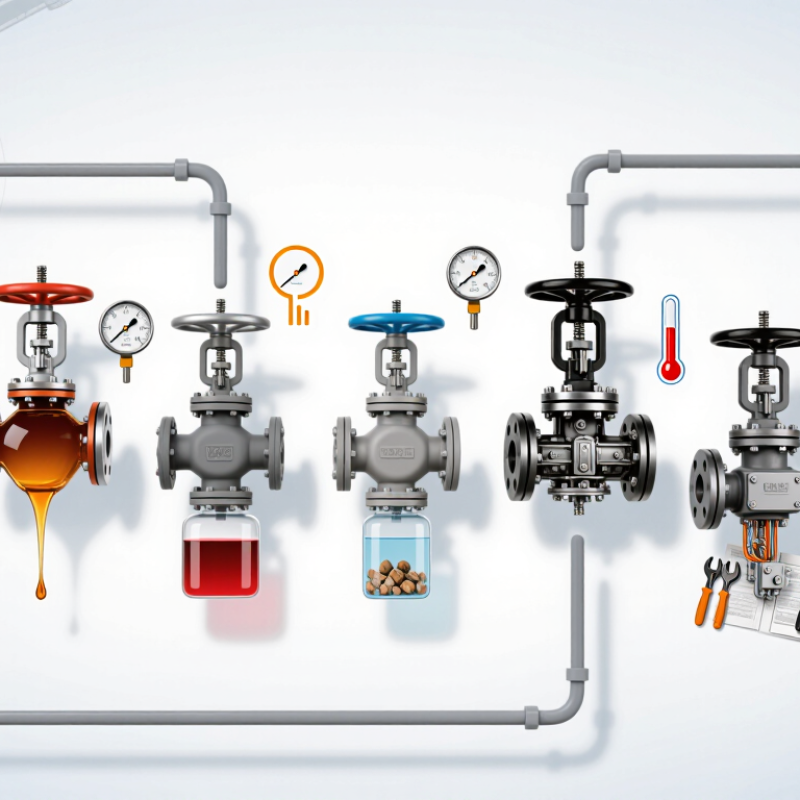
Level control valves regulate the amount of liquid inside tanks, vessels, and process lines. They respond to signals from a level sensor or float mechanism. When the liquid rises too high, the valve can close or reduce flow. When the level drops, it can open and restore the desired volume.
These valves are common in water treatment plants, boiler systems, chemical processing units, and storage tanks. In a water tank, they help prevent overflow near the roof outlet. In a boiler feed system, they maintain a stable water supply under changing demand. Some designs handle clean water, while others must tolerate suspended solids, corrosive liquids, or high temperatures. Material compatibility matters.
A reliable selection process considers flow rate, pressure difference, temperature, fluid density, and the required failure position. Pneumatic actuators are often chosen where fast response and controlled movement are important. Electric actuators may suit remote installations with available power and monitoring systems. Field technicians also check sensor accuracy, valve travel, and air pressure during commissioning. Small errors matter. A poorly sized valve may hunt continuously, causing noise and premature wear. No valve is perfect. Real systems change with weather, production demand, and maintenance conditions. Engineers should review operating data instead of trusting one design calculation forever.
7 Best Level Control Valve Manufacturers Worldwide - What Level Control Valves Are and Where They Are Used
Level control valves regulate the amount of liquid entering or leaving a vessel to maintain a desired level. The configurations below are common approaches and applications; they are not a ranking of manufacturers or brands.
| Level-Control Configuration | How It Works | Typical Applications | Key Selection Considerations |
|---|---|---|---|
| Float-operated on/off valve | A float moves with the liquid surface and mechanically opens or closes the inlet valve at set levels. | Small storage tanks, water troughs, and simple utility-water systems. | Check float travel, mounting clearance, liquid compatibility, and the required flow capacity. |
| Modulating float valve | A float mechanism adjusts the valve opening in response to changing liquid level, allowing flow to vary rather than simply switch on or off. | Water reservoirs, cooling-tower basins, and tanks that need a more gradual level response. | Confirm operating pressure and flow range; stable performance depends on correct sizing and installation. |
| Pilot-operated diaphragm level-control valve | A float pilot senses the level and controls a larger diaphragm-operated main valve, which regulates filling flow. | Large water-storage tanks and distribution reservoirs. | Verify minimum differential pressure, pilot-line layout, and water cleanliness requirements. |
| Altitude valve | The valve uses hydrostatic pressure from a sensing line to open or close at a preset tank elevation. | Elevated water tanks and reservoir-filling systems. | Sensing-line elevation and pressure conditions must match the tank geometry and desired shutoff level. |
| Solenoid valve with level switch | An electrical float switch or level sensor sends an on/off signal to a solenoid-operated valve. | Compact tanks, water-treatment skids, and automated equipment. | Account for power supply, electrical-area classification, valve fail position, and switching frequency. |
| Modulating control valve with level transmitter | A level transmitter sends a continuous measurement to a controller, which positions an actuated valve to maintain the target level. | Process vessels, boiler-feed systems, and industrial liquid-handling operations. | Match the valve and actuator to flow conditions; configure and calibrate the measurement and control loop. |
| Pneumatic control valve with level controller | A level controller uses a measured level signal to adjust a pneumatically actuated valve continuously. | Process plants and installations where pneumatic actuation is available or preferred. | Provide suitable instrument air and consider actuator sizing, control response, and maintenance access. |
Related Posts
-
Understanding the Importance of Level Control Valves in Modern Industrial Applications
-

Unlocking Efficiency: The Advantages of the Best Water Pressure Control Valve for Your Home
-
What is Flow Control in Supply Chain Management?
-
Understanding the Benefits of Automatic Control Valves in Modern Industrial Applications
-
How to Select the Perfect Automatic Valve for Your Industrial Needs
-
Understanding the Importance of Best Safety Valve Standards in Industrial Applications