

-
Solutions
-

Waterworks

Pressure Reducing
Pressure Sustaining / Pressure Relief
Flow Control valves
Float Valves - Level Control
Electrically Actuated Valves
Pressure Modulation - Remote Control
Altitude Valves - Level Control
Burst Control Valves
Pump Control
CLA-VAL "HYTROL" Main Valve
Valve Controllers and Data Loggers
Air Valves
See all
Waterworks
-

Military Fuelling
-
- About us
- Blog
- Support
- Contact


Blog
China Best Pressure Relief Valve for Global Buyers?
Pressure Relief Valves (PRVs) play a crucial role in various industries, ensuring safety and stability. These valves help protect systems from unexpected pressure surges. When pressure builds beyond safe levels, a PRV acts promptly. It releases excess pressure, preventing damage or catastrophic failures.
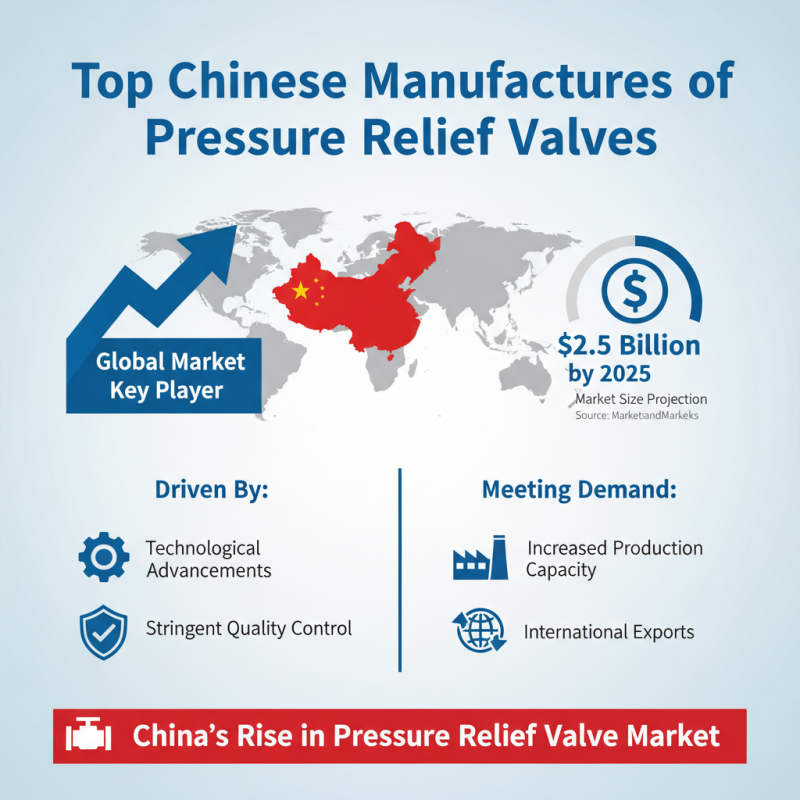
In recent years, China has emerged as a leading manufacturer of these essential components. The country offers a wide range of PRVs that cater to global buyers. Many industries rely on China for high-quality pressure relief valves. They provide innovative designs and advanced technology, meeting international standards.
However, not all products are created equal. Buyers must navigate a vast market with varying quality levels. It's vital to conduct thorough research and engage with reputable suppliers. Understanding the specific needs of your system can help in choosing the right PRV. This process requires careful consideration and expertise. Trustworthy manufacturers will offer detailed specifications and certifications.

Overview of Pressure Relief Valves in Industrial Systems
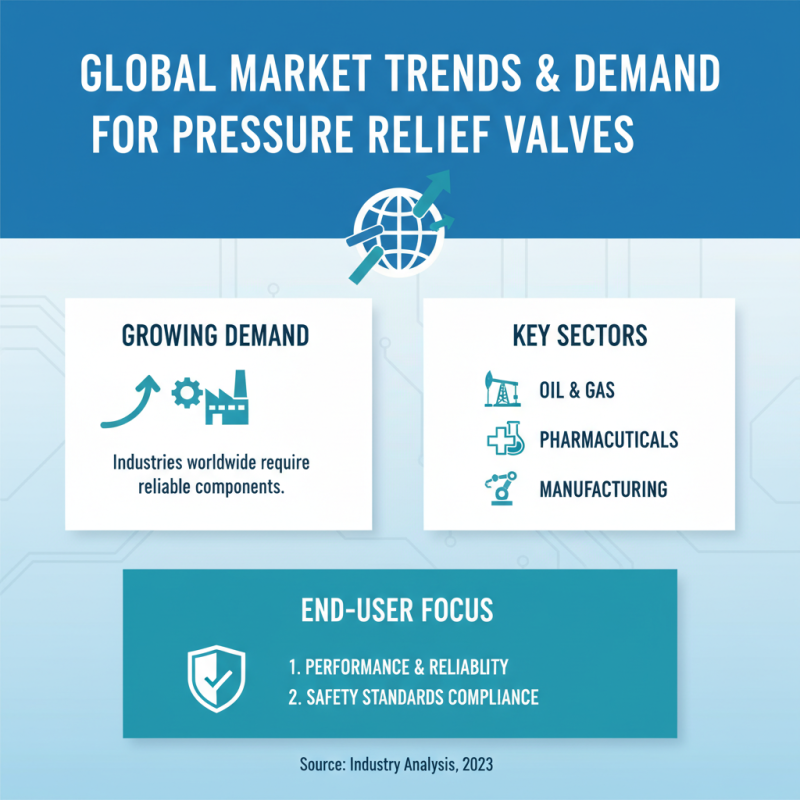
Pressure relief valves (PRVs) play a crucial role in industrial systems. They prevent overpressure scenarios that can lead to catastrophic failures. By releasing excess pressure, they protect equipment and ensure operational safety. This design element is paramount in various industries, including oil and gas, chemical processing, and manufacturing.
Understanding the mechanics of PRVs is essential. They operate by using a spring-loaded mechanism to sense pressure buildup. When the pressure exceeds the set limit, the valve opens, allowing fluid to escape. This process helps maintain the stability of the system. It's important to select the right PRV based on the specific requirements of your application.
Tips: Always consider the medium being handled. The valve must resist corrosion and wear from the fluid. Regular maintenance checks are vital to ensure their reliability. Look for signs of wear and tear. PRVs are critical, but they can fail if not properly maintained. Make adjustments based on performance feedback. Each installation may have unique challenges, so adaptability is key.
China Best Pressure Relief Valve for Global Buyers? - Overview of Pressure Relief Valves in Industrial Systems
| Parameter | Description | Typical Application | Pressure Range | Material |
|---|---|---|---|---|
| Set Pressure | The pressure at which the valve opens to relieve pressure. | Chemical Processing | 10 to 150 psi | Stainless Steel |
| Connection Type | The type of connection to the piping system. | Oil and Gas | 1/2 inch to 6 inches | Bronze |
| Flow Capacity | The maximum flow rate the valve can handle. | Power Generation | 10 to 1000 GPM | Carbon Steel |
| Actuation Type | The method used to open the valve. | Food and Beverage | Manual, Pneumatic, Electric | Plastic |
| Temperature Rating | The maximum temperature the valve can withstand. | Steam Systems | -20 to 400 °F | Alloy |
Related Posts
-
Common Challenges Faced When Selecting the Best Pressure Relief Valve Solutions
-
How to Choose the Best Flow Control Valve for Your Industrial Needs
-

The Future of Automatic Valves Trends Innovations and Market Growth Insights
-
The Future of Smart Automation in Best Automatic Valves
-

Unlocking Efficiency: The Advantages of the Best Water Pressure Control Valve for Your Home
-

7 Key Reasons Why Flow Control Valves Are Essential for Efficient Industrial Operations