China Best 2.5 Mm Microneedling Device Manufacturers?
Choosing a 2.5 mm microneedling device requires more than comparing prices or advertised needle depth. Buyers should examine depth consistency, cartridge fit, operating stability, cleaning guidance, and the manufacturer’s technical documentation. A market estimate from Grand View Research valued the global microneedling market at about USD 496.2 million in 2022 and projected growth through 2030. That figure covers the broader market; it does not prove that every 2.5 mm device is clinically suitable or equally reliable.
Depth matters. A 2.5 mm setting is not a universal choice for every treatment area, user, or purpose. Dr. Lance Setterfield, a physician and microneedling educator, is a relevant expert voice on treatment technique. However, I could not verify a precise, attributable quotation from him about 2.5 mm devices, so I will not invent one. That restraint matters.
This guide to China Best 2.5 Mm Microneedling Device Manufacturers compares practical manufacturing details, including quality controls, customization, product records, and communication after purchase. Ask for evidence, not just polished product photos. Request clear specifications and confirm that the device’s intended use matches your professional requirements. Small details count. A vague depth scale, for example, can leave buyers unsure what they are actually ordering. Market reports provide useful context, but they cannot replace product-level verification. That distinction is easy to overlook, and it deserves attention.
Understanding 2.5 mm Microneedling Devices and Their Uses
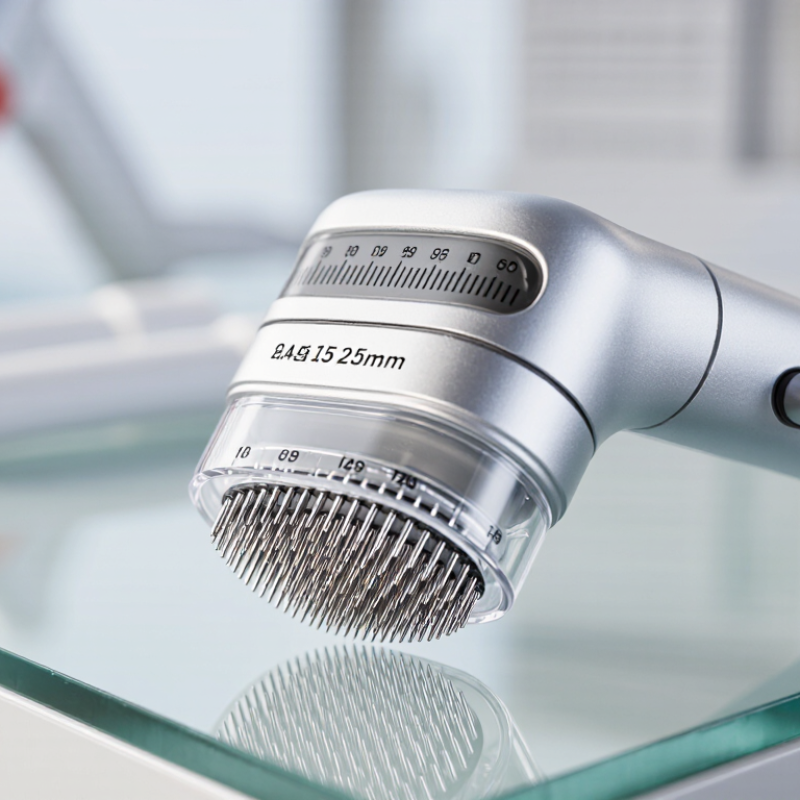
A 2.5 mm microneedling device describes a tool with an adjustable needle extension reaching up to that setting. The number can sound exact, but skin is not a flat surface. Pressure, treatment area, and individual skin characteristics can affect how deeply needles enter. Devices also differ, so the displayed setting should not be treated as a guarantee of actual penetration. At this depth, assessment by a qualified professional matters. A deeper setting is not automatically more effective or suitable for every concern.
These devices may be considered in professional settings for selected skin concerns, such as certain textural changes or scars, after a proper assessment. Not everywhere. Delicate areas and irritated or compromised skin may call for a different approach, or no treatment. A practitioner should review relevant health factors, explain expected outcomes, and follow the device instructions. Sterile, single-use needle cartridges help reduce contamination risks. It is easy to focus on depth and miss the basics, including hygiene, training, and aftercare. Results vary, and skin can react unpredictably; that uncertainty deserves an honest discussion before treatment.
Key Design, Performance, and Safety Considerations
When assessing a 2.5 mm microneedling device, look beyond the stated maximum depth. Actual needle movement can vary with cartridge fit, skin contact, and applied pressure. Clear depth settings, stable needle extension, and a secure cartridge connection support more predictable performance. Ask manufacturers how they test repeatability across multiple cartridges, not just one sample.
Small details matter. A well-shaped handpiece should feel balanced during extended professional use, while controlled vibration may help reduce unwanted movement. Check that the needle assembly is shielded when not in use and that single-use components are clearly identified. Materials and packaging should support hygienic handling, with sterilization or cleanliness claims backed by documentation. A polished appearance is not evidence of validated safety.
Safety needs particular attention at deeper settings. Device suitability depends on the treatment area, individual assessment, and practitioner training; the same setting is not appropriate for every person. Look for instructions that explain contraindications, maintenance, and what to do if performance seems inconsistent. No specification sheet tells the whole story. Even a reliable motor can feel uncomfortable in practice, so independent testing and careful clinical feedback deserve weight.
Overview of China’s Microneedling Device Manufacturing Landscape
China’s microneedling device manufacturing landscape includes factories producing handpieces, needle cartridges, power units, and private-label equipment. The market is shaped by demand for consistent output, reliable supply, and documented quality controls. ISAPS’s Global Survey 2023 reported a 7.4% year-on-year increase in non-surgical aesthetic procedures worldwide. This is a broad market signal, not a microneedling-specific sales figure. Buyers should therefore assess each supplier’s actual production and testing records rather than rely on market growth alone.
For a 2.5 mm device, check whether the stated depth is adjustable and how the manufacturer verifies cartridge dimensions and motor performance. Ask for sample inspection records, batch traceability, and evidence of electrical and biocompatibility testing relevant to the product. Compare production capacity with lead times, and confirm which components are made in-house. A polished brochure proves little. Supplier capabilities can vary, even within the same manufacturing region, and published specifications may not tell the full story.
Tips: Request a sample, inspect the needle cartridge under magnification, and compare its labeling with the technical documents. Ask the factory to explain any gaps; a clear answer matters.
How to Evaluate and Compare Chinese Manufacturers
China Best 2.5 Mm Microneedling Device Manufacturers?
How to Evaluate and Compare Chinese Manufacturers
Compare manufacturers by evidence, not headline price. A 2.5 mm specification should state how depth is measured and controlled. Ask for test records showing needle projection, speed consistency, and performance across multiple cartridges. Request batch traceability and clear inspection criteria. Ask for proof.
Market growth makes careful comparison more important, not less. Grand View Research estimated the global microneedling market at about US$0.6 billion in 2023, with a projected 7.8% compound annual growth rate through 2030. The World Health Organization’s Global Atlas of Medical Devices estimated the wider medical-device market at roughly US$536 billion in 2021. These figures describe different markets, so they should not be treated as forecasts for one device category.
Review the factory’s quality certificate, including its scope, issuing body, and expiry date. Then compare sample units against the written specifications, rather than relying on photographs. Ask how the manufacturer handles rejected cartridges, component changes, and complaints. A polished document can still leave gaps. One detail buyers sometimes miss is whether the test report covers the exact model and configuration being quoted. Request dated records, and note any unanswered questions before ordering.
Certifications, Quality Control, and Sourcing Considerations
For a 2.5 mm microneedling device, supplier checks should go beyond a certificate image. Request a current ISO 13485 certificate and verify its scope, manufacturing site, and issuing body. ISO 14971 risk-management records can help show how the manufacturer identifies hazards, such as inconsistent needle depth or damaged cartridges. Ask for calibration records, batch traceability, packaging-integrity tests, and examples of corrective actions. A polished brochure is not evidence of stable production.
The World Health Organization’s Global Atlas of Medical Devices describes more than 2 million types of medical devices, grouped into over 7,000 categories. That scale makes clear why product classification and documentation matter. Request the device’s intended-use statement and confirm applicable requirements in the destination market; requirements can differ. During a factory review, inspect incoming-material checks and finished-product sampling. Ask how needle protrusion is measured and what happens when a batch fails. One detail is easy to miss: verify that the documents match the exact model and production site being quoted.
Tip: Request a recent sample inspection report, not only a quality-policy document. Compare its recorded needle depth, packaging condition, and batch number with the sample you receive. If a supplier cannot explain a result clearly, pause and ask again.