
China Top 10 Centering Machine Manufacturers?

China Top 10 Centering Machine Manufacturers?

Choosing among China’s top Centering Machine manufacturers takes more than comparing catalog prices. Buyers need to understand what each machine can handle, how accurately it centers parts, and whether its design fits the production line. A small alignment error can affect downstream machining, assembly, or inspection. The details matter.

Frederick Winslow Taylor, a mechanical engineer and manufacturing pioneer, wrote, “In the past the man has been first; in the future the system must be first.” His production-system principle offers a useful lens for evaluating a Centering Machine: assess the equipment alongside its controls, tooling, operator requirements, and maintenance support. A polished brochure is not enough. Ask for specifications, sample-part results, installation requirements, and clear warranty terms. Where possible, verify claims with a demonstration using parts similar to yours.

This guide examines ten manufacturers in China and the practical factors buyers can compare, including machine configuration, application range, customization, service, and export experience. Not every supplier will suit every workshop. Some may offer flexible engineering but limited public documentation; others may emphasize standard models and faster delivery. That trade-off deserves attention. Treat the list as a starting point, not a final endorsement, and confirm current capabilities directly with each manufacturer before making a purchasing decision.
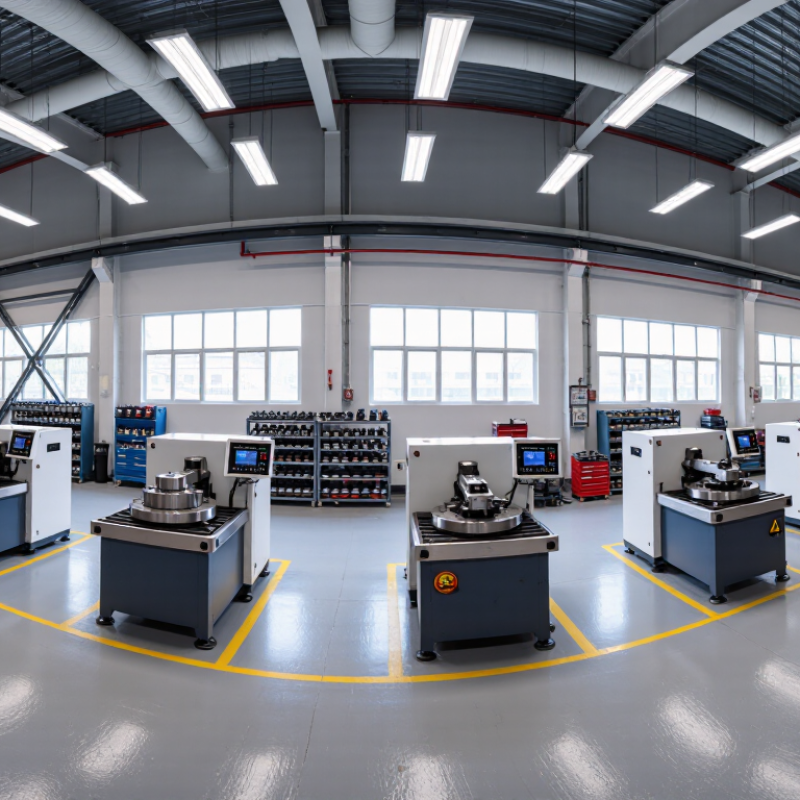
China Top 10 Centering Machine Manufacturers?

What a Centering Machine Does and Where It Is Used

A centering machine prepares a workpiece by locating its axis and, in many setups, machining a center hole at one or both ends. These reference points help hold a shaft or bar steadily during turning, grinding, or other follow-up operations. Depending on the machine, the workpiece may be supported between centers or positioned with clamps and fixtures. Small detail. Even a slight positioning error can cause runout, uneven machining, or extra material waste. Operators typically check the workpiece condition, fixture alignment, and center-hole dimensions before production. A setup can look correct and still be off; that is easy to underestimate.

Centering machines are used in the production of shafts, tubes, rods, and some forged components. A long steel shaft, for example, may need accurate centers before a lathe can rotate it securely. In a workshop, the operator may inspect a sample part with a gauge, then adjust the feed or clamping pressure. The right settings depend on material, diameter, and the next machining step, so one recipe does not fit every job. Not every part needs the same accuracy. For short components or parts held by other means, centering may add little value. A useful evaluation looks at the whole process: part geometry, required tolerance, production volume, and how often changeovers occur.

How China’s Centering Machine Industry Is Organized

China’s centering-machine industry is better understood as a network than a simple list of ten factories. Manufacturers often specialize by application, such as optical components, precision shafts, or glass parts needing controlled alignment. Some build complete machines; others focus on fixtures, controls, or process integration. This distinction matters. A standard catalog model may look suitable, while its real value depends on adaptable clamps, sensors, and cycle settings. Fit varies.

The industry also includes component suppliers, automation integrators, and regional service teams. Machine builders may source motors and measurement devices externally, then assemble and calibrate systems in-house. Buyers should look beyond advertised accuracy. Ask how alignment is measured, which workpiece range was tested, and whether sample parts can be processed under realistic conditions. Request maintenance intervals, spare-part lead times, and written acceptance criteria. These details help reveal a supplier’s actual manufacturing discipline.

Tips: Share drawings, material details, and expected production volumes before requesting a quotation. Ask for a trial using your own workpieces. A brief demonstration is useful, but it may not represent long-term performance. Compare commissioning support and documentation, too. Not every supplier presents these details clearly; that is worth discussing before purchase.

Criteria for Assessing China’s Leading Manufacturers

Criteria for Assessing China’s Leading Manufacturers

A centering machine should be judged by measured results, not brochure promises. For optical components, request centering error, runout, repeatability, and supported lens diameter. Ask how each value is measured and under what temperature and operating conditions. A useful factory acceptance test runs representative parts, not only a perfect sample. Watch the spindle, clamping contact, and measurement cycle. Small variations matter. Ask for calibration records and a clear method for handling out-of-tolerance results.

Automation and service also deserve scrutiny. IFR’s World Robotics 2024 report recorded 276,288 industrial robot installations in China in 2023, about 51% of global installations. This signals a substantial automation base, but it does not prove any individual machine’s accuracy. Check whether the supplier can integrate loading, inspection, and traceable data without compromising precision. Request spare-parts lead times, operator training, and remote-support response targets in writing. Then speak with comparable users, if possible. No score is perfect; published specifications can hide setup sensitivity. A buyer should verify performance using their own workpieces before committing.

Profiles of 10 Notable Centering Machine Manufacturers in China

China’s centering-machine makers serve applications from bar-stock preparation to precision shaft production. These ten profiles compare manufacturers by practical strengths: workpiece range, centering accuracy, spindle design, automation, and after-sales support. Some focus on compact machines for small components; others build heavier systems for long shafts and demanding production lines. Look closely at clamping and feed mechanisms. They affect repeatability, changeover time, and surface quality.

The China Machine Tool and Tool Builders’ Association reported that the country’s machine-tool industry recorded about RMB 1.09 trillion in operating revenue in 2023, down 10.3% year on year. This sector-wide figure is useful context, not a centering-machine market estimate. A buyer should still request application-specific test results, such as runout measurements across several workpieces, rather than rely on catalogue claims. Ask how the machine handles different materials, tool wear, and coolant flow. Small details matter. Service response times and spare-part availability deserve equal attention, though comparisons can be frustrating when suppliers use different test conditions. A tidy ranking may hide that limitation.

Typical Centering Machine Work Sequence

A general process overview—not a manufacturer ranking. Actual machine configurations and specifications vary by model.

How to Compare Manufacturers and Select a Suitable Machine

China Top 10 Centering Machine Manufacturers? How to Compare Manufacturers and Select a Suitable Machine

A manufacturer’s headline accuracy is only useful if it holds on your actual workpiece. Define its diameter, length, material, target runout, and daily volume before comparing machines. Ask each supplier to process your sample parts, then record setup time, cycle time, rejection rate, and measurements across a sustained run. One perfect part proves little. Request the inspection method and calibration records, not just a catalog specification.

Deloitte and MAPI’s 2020 Smart Factory study surveyed more than 600 manufacturing executives; 86% expected smart factory solutions to drive competitiveness within five years. That is not proof that every centering machine needs advanced automation. It does make data access worth checking: can operators review alarms, settings, and production counts without extra manual logging? Also compare changeover steps, tooling costs, operator training, and access to replacement parts. Small details matter.

Ask manufacturers to state acceptance criteria in writing and explain how they verify repeatability. If a machine is tested only with a different material or part size, treat the result cautiously. I would compare total operating cost over several years, not just purchase price; estimating maintenance can be imperfect. Leave room for a supervised trial. The workshop tells the truth.

China Top 10 Centering Machine Manufacturers? - How to Compare Manufacturers and Select a Suitable Machine

Use this comparison matrix to evaluate up to 10 suppliers. It is a selection framework, not a verified manufacturer ranking; confirm machine specifications and claims in writing with each supplier.

Comparison dimension What to compare Evidence to request Suitable when Supplier 1–10 notes
Workpiece range Supported workpiece diameter, length, weight, and end geometry. Published capacity limits and a drawing review for your parts. The machine must handle the full production range, including the largest and smallest parts. Record verified limits and exceptions.
Centering operation Whether the machine performs center drilling, center-hole machining, or another specified end-centering process. Process description, tooling details, and sample-part results. The operation matches the part drawing and downstream machining requirements. Confirm operation and tooling.
Positioning and accuracy Specified positioning accuracy, repeatability, and the measurement method used. Acceptance-test results with defined measurement conditions and tolerances. The required tolerances are documented and can be demonstrated on representative parts. Enter test results; do not compare unlike test methods.
Clamping and alignment Clamping method, support arrangement, and how the workpiece is aligned to the machining axis. Fixture drawings, setup procedure, and a trial using your workpiece geometry. Parts can be held securely without damaging surfaces or introducing unacceptable runout. Note fixture scope and changeover needs.
Production capacity Quoted cycle time, loading method, setup time, and expected operating schedule. A timed test on representative parts, with the cycle-time assumptions stated. Demonstrated output meets the production target, including loading and handling steps. Record tested cycle time and test conditions.
Automation and changeover Manual or automatic loading, part detection, recipe storage, and tooling or fixture changeover. Automation scope, interface details, and a changeover demonstration. Automation level fits batch size, labor availability, and product mix. List included options separately from optional upgrades.
Controls and integration Control system, program access, safety functions, and any required factory-network or line interfaces. Control-system documentation, interface list, and confirmation of applicable electrical requirements. Operators can use the system and the machine can connect to the intended production environment. Confirm configuration and compatibility in the quotation.
Tooling and consumables Compatible cutting tools, holders, coolant requirements, and expected replacement items. Tooling list, recommended spares, and itemized pricing. Tooling is available and operating costs can be estimated before purchase. Record standard and optional tooling separately.
Quality checks and acceptance Inspection method, sample size, acceptance criteria, and responsibility for corrective action. Written factory acceptance test (FAT) and site acceptance test (SAT) plans. Acceptance criteria are agreed before manufacture and measurable at delivery. Attach agreed tests and tolerances to the purchase contract.
Service, delivery, and total cost Lead time, installation and training, warranty terms, spare-parts support, shipping, and operating costs. Itemized quotation, service response terms, warranty document, and delivery scope. The supplier can support installation and ongoing operation in the destination region. Compare total delivered and lifecycle costs, not purchase price alone.