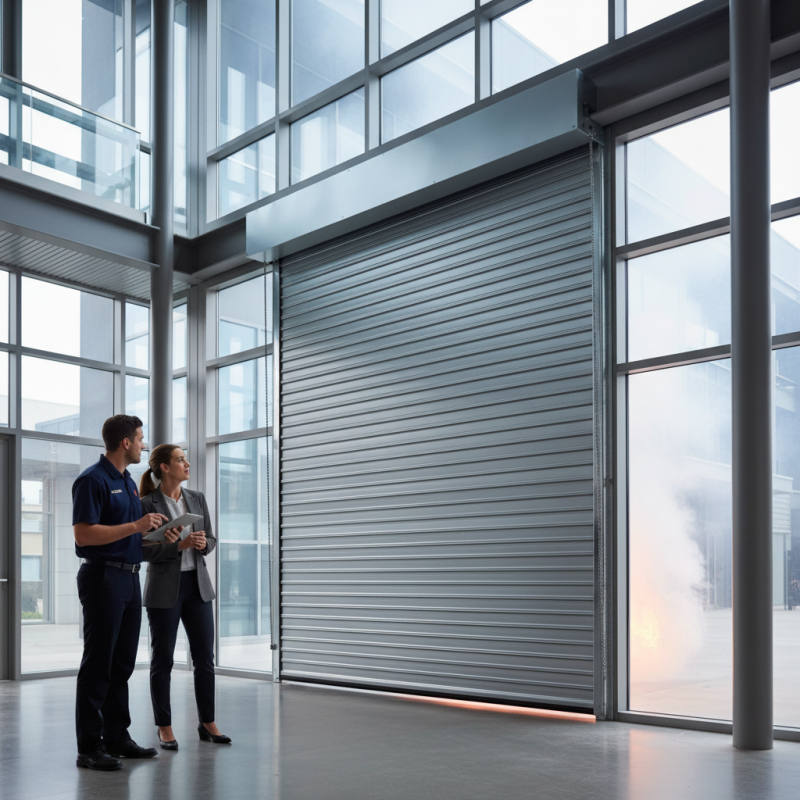
Why Choose an Automatic Fire Shutter for Your Property Safety?
When it comes to fire safety, an Automatic Fire Shutter is essential for any property. John Smith, a fire safety expert, emphasizes, "Automatic Fire Shutters save lives and property by containing fire and smoke." This technology plays a crucial role in protecting commercial and residential spaces.
Automatic Fire Shutters act quickly during emergencies. They close off areas, preventing flames from spreading. This can mean the difference between minor damage and total loss. Many property owners, however, may underestimate their importance. It's easy to neglect them until an incident occurs.
Investing in an Automatic Fire Shutter can be life-saving. It's not just about compliance; it's about safety. Nevertheless, some may ask if the cost justifies the benefits. Reflecting on this can lead to important decisions. Are we truly doing enough to protect our spaces?
Understanding Automatic Fire Shutters and Their Functionality
Automatic fire shutters play a vital role in property safety. They are specially designed to contain fire and smoke. When activated, these shutters descend, forming a protective barrier. This can help prevent the spread of fire between sections of a building. Their functionality ensures that escape routes remain available during an emergency.
Understanding how automatic fire shutters work is crucial for property owners. These devices are typically connected to a fire alarm system. When smoke is detected, the shutters close automatically. Their rapid response is essential for minimizing damage. It's important to regularly check their operation. Neglecting maintenance can lead to failures when they are needed most. In some cases, frequent testing reveals issues that require attention. This ongoing assessment is key to ensuring effective performance.
Consider the installation environment as well. Proper placement is necessary for optimal functionality. If installed incorrectly, they might not fully close or seal off areas. This could compromise the safety they are meant to provide. Some may overlook this detail, leading to dangerous situations. Regular training for staff can also help in understanding these systems better. Awareness can save lives.
Fire Safety Features of Automatic Fire Shutters
This chart illustrates the importance ratings of various features of automatic fire shutters based on their functionality and benefits for property safety. Each feature is rated from 1 to 10, reflecting how critical they are for effective fire protection.
Key Benefits of Installing Automatic Fire Shutters in Properties
When it comes to property safety, automatic fire shutters are a vital addition. They play a crucial role in preventing the spread of fire and smoke. According to the National Fire Protection Association, installing fire shutters can reduce damage by up to 50%. This significant reduction can save both lives and property.
These shutters are designed to close automatically when a fire is detected. This feature provides essential time for occupants to evacuate. Furthermore, they can be integrated with existing fire alarm systems. This seamless integration enhances overall safety protocols within the property.
Tip: Regular maintenance of automatic fire shutters is critical. An inspection every six months ensures they function correctly.
While these shutters provide numerous benefits, some property owners hesitate due to perceived costs. The investment can lead to reduced insurance premiums and lower risks in the long run. The potential financial savings can often outweigh the initial expenses involved.
Tip: Consider seeking quotes from multiple installers. This helps ensure you receive fair pricing while ensuring quality installation.
How Automatic Fire Shutters Enhance Safety During Emergencies
Automatic fire shutters serve a crucial function in enhancing safety during emergencies. When a fire breaks out, these shutters can close rapidly, compartmentalizing the blaze and preventing it from spreading. This creates safe zones for occupants, giving them time to evacuate. The automatic feature means they react to smoke or heat without manual intervention, making them highly effective in chaotic situations.
In addition to their quick response, these shutters offer structural protection. They are designed to withstand high temperatures and can prevent flames from engulfing entire buildings. However, maintenance is essential. Regular checks ensure that they function correctly when needed. Many properties neglect this, leading to potential failures during actual emergencies. Awareness of this aspect is critical for safety.
Visibility is another point of concern. Sometimes, the shutters can obstruct views and create a false sense of security. Property owners must weigh these factors and understand that while automatic fire shutters are a valuable asset, they are not foolproof. Regular drills and education about fire safety remain vital to maximizing their effectiveness during an emergency.
Maintenance and Operational Considerations for Fire Shutter Systems
When considering fire shutter systems, maintenance plays a critical role in their effectiveness. Regular inspections are essential. Check for any signs of wear and tear. These systems are designed to block flames and smoke, but they must be operational at the moment of need. If not maintained properly, their efficiency can significantly decline.
Tips: Schedule routine checks every six months. This can prevent major failures and ensure safety. Replacement of worn parts should be prioritized.
Operational considerations are equally important. Staff training is vital. Everyone should know how to operate the fire shutter system. Familiarity with the system's function enhances safety protocols. Moreover, keep control panels accessible and understandable for all users. If there’s confusion, lives may be at risk.
Tips: Conduct fire drills that include shutter operations. This proactive approach helps identify weaknesses in the current protocols. Also, document all training sessions for future reference.
By focusing on maintenance and operational practices, you increase safety for your property and its occupants. Regular attention to these elements helps create a reliable fire prevention strategy.
Comparative Analysis: Automatic Fire Shutters vs. Manual Fire Barriers
When considering fire safety, the choice between automatic fire shutters and manual fire barriers is crucial. Automatic fire shutters offer swift deployment. In case of fire, they respond within seconds, reducing smoke and heat spread. Manual barriers typically require human intervention. This delay can have serious consequences.
Data shows that automatic fire shutters can reduce fire damage by up to 50%. On the other hand, manual systems have a failure rate of 14% due to human error. Reports indicate that buildings with automatic systems experience fewer injuries and fatalities. This highlights the importance of investing in reliable safety solutions.
However, automatic systems can be costly to install and maintain. Some property owners may hesitate due to the initial investment. They might overlook the long-term benefits, such as lower insurance premiums and enhanced safety. Manual fire barriers, while cheaper upfront, often result in higher costs due to inspections and potential damages. Each option poses unique challenges. Evaluating them carefully can lead to better safety outcomes.
Why Choose an Automatic Fire Shutter for Your Property Safety? - Comparative Analysis: Automatic Fire Shutters vs. Manual Fire Barriers
| Feature | Automatic Fire Shutter | Manual Fire Barrier |
| Response Time | Immediate activation within seconds | Delayed; require manual operation |
| Ease of Use | Fully automated, no need for human intervention | Requires trained personnel to operate |
| Maintenance Requirements | Regular checks, less frequent than manual systems | Frequent checks required due to manual handling |
| Cost Efficiency | Higher initial cost, lower long-term costs | Lower initial cost, potentially higher long-term costs |
| Safety Level | Higher safety due to automatic operation | Risk of human error during operation |
| Integration with Safety Systems | Easily integrates with smoke and fire alarms | May require additional systems for full integration |