How to Choose the Best Transformer Substation for Your Needs?
Selecting a Transformer Substation requires careful consideration. The right choice impacts efficiency and reliability. According to the International Energy Agency, about 70% of energy losses in electrical networks can be traced back to inadequate substations. These losses highlight the importance of proper selection.
A transformer substation serves as a critical link in power distribution. Its design affects everything from voltage levels to overall service continuity. According to the U.S. Department of Energy, investing in high-quality transformer substations can enhance operational reliability by at least 30%. This emphasizes the need for expertise in choosing the best option for specific demands.
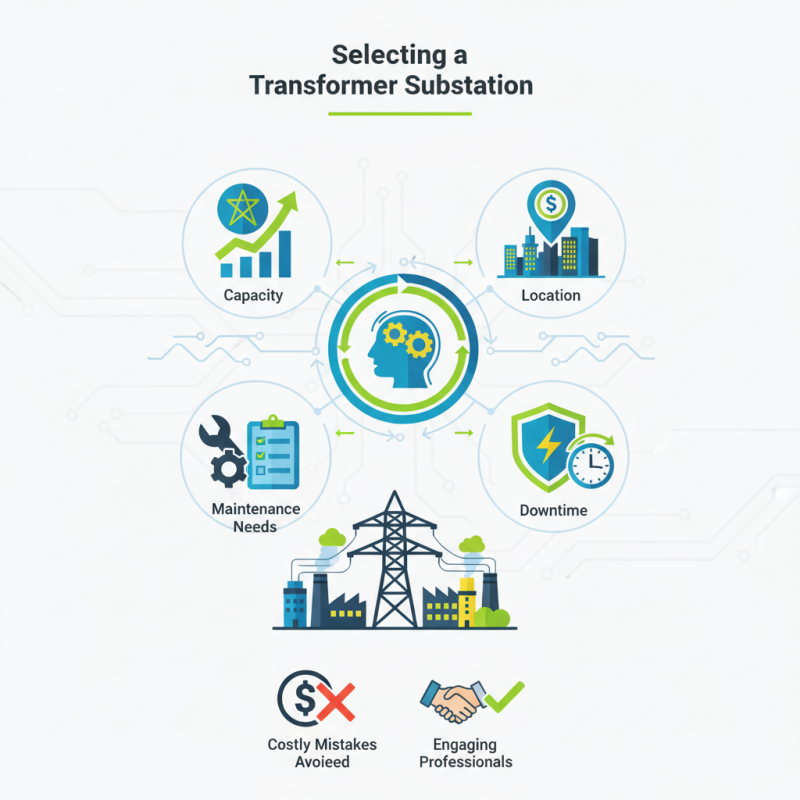
Understanding your power requirements is vital. Not every transformer substation meets every need. Key factors to consider include capacity, location, and maintenance needs. Engaging with experienced professionals can prevent costly mistakes. A substation that fits poorly can lead to increased downtime and inefficiency. In an era of rapid energy transition, making an informed choice is more crucial than ever.
Understanding the Purpose and Function of Transformer Substations
Transformer substations play a crucial role in the electrical grid. They adapt voltage levels to ensure efficient power distribution. By transforming high voltage electricity to lower levels, they make it safe for use in homes and industries. Understanding this function helps in selecting the right substation for your needs.
The purpose of a transformer substation extends beyond mere voltage transformation. These facilities often include circuit breakers, switches, and control systems. Together, they provide protection and reliability to power distribution networks. Choosing the best substation involves considering the specific load requirements and the distance to distribution points. However, inaccuracies in load prediction can lead to inefficiencies.
In addition, maintenance practices influence the longevity of these systems. Regular checks and timely upgrades are essential. Many users overlook these aspects, which can result in unexpected outages. It's vital to understand every component's role and anticipate future power demands effectively. This awareness can prevent costly mistakes in the long run.
Assessing Your Power Requirements and Load Demands
Choosing the right transformer substation begins with understanding your power requirements. Calculate your peak load demands. Consider both current and future needs. Analyzing your electrical load profile is essential. Seasonal variations in demand can affect your selection.
Evaluate the types of loads you have. Are they continuous or intermittent? Different loads require different transformer specifications. A steady load might only need a standard transformer. However, variable loads could require advanced solutions. Intermittent loads may lead to overloading, which is a crucial factor.
Also, think about the location of the installation. The substation must accommodate local regulations and environmental factors. Accessibility for maintenance is another consideration. Often, companies overlook these details, which can lead to costly adjustments later. Always assess your needs thoroughly and consult with professionals to ensure reliability and efficiency.
Evaluating Different Types of Transformer Substations
When selecting a transformer substation, understanding the different types is crucial. There are several types, including pole-mounted and pad-mounted substations. According to a recent industry report, transformations in technology have led to the rising popularity of compact substations. These offer efficient space utilization without compromising performance. Many urban areas benefit from such designs, as they reduce the footprint while maintaining reliability.
For instance, the report highlights that compact substations can save up to 30% in land costs. This is a significant factor given the high value of urban property. Additionally, mobile substations have gained traction in recent years. They provide temporary power solutions, especially during emergencies. However, their reliance on quick setups can sometimes lead to inefficiencies in power distribution.
While evaluating these options, consider their operational environments. Not all substations suit every location or application. Assess factors like load demand, local regulations, and environmental impacts. Flexibility in design can maximize effectiveness. Balancing these elements ensures that the selected transformer substation meets your unique needs and challenges.
How to Choose the Best Transformer Substation for Your Needs? - Evaluating Different Types of Transformer Substations
| Type of Transformer Substation | Power Rating (MVA) | Voltage Class (kV) | Cooling Type | Application Type |
| Indoor Transformer Substation | 10 - 50 | 11 - 33 | Air Cooled | Commercial Buildings |
| Outdoor Transformer Substation | 50 - 100 | 33 - 132 | Oil Immersed | Industrial |
| Mobile Transformer Substation | 10 - 30 | 11 - 33 | Air Cooled | Temporary Supply |
| Compact Transformer Substation | 20 - 40 | 11 - 33 | Air Cooled | Urban Areas |
| Submersible Transformer Substation | 5 - 20 | 11 - 33 | Oil Immersed | Waterfront Development |
Exploring Location and Environmental Considerations
When selecting a transformer substation, location and environmental factors are crucial. The site influences efficiency and safety. Proximity to load centers is essential. Being too far can lead to energy losses and added costs. Assess the terrain where the substation will be built. Uneven ground can complicate construction and maintenance.
Consider the environmental impacts of your site. Is it in a protected area? What about wildlife habitats? These aspects can delay permits and increase costs. Noise pollution and visual impact also matter. Substations can be significant structures, potentially affecting local aesthetics. Address these concerns early in your planning process.
**Tips:** Always engage with local communities. Gaining support can ease regulatory challenges. Use GIS technology for better site analysis. A well-planned site can save time and money in the long run. Reflect on your chosen location regularly. Adjust as necessary to meet evolving needs and regulations. This flexibility can help achieve long-term objectives.
Transformer Substation Location Considerations
This bar chart illustrates the suitability scores for different location types for transformer substations. Urban areas are rated high due to accessibility, while rural areas score lower due to less demand. Industrial zones rank the highest due to their energy needs, while residential areas and commercial zones are also viable options.
Selecting a Reliable Manufacturer and Installation Service
Choosing the best transformer substation requires more than just understanding technical specifications. A reliable manufacturer and installation service play a critical role in ensuring optimal performance. Industry reports indicate that investing in quality services can reduce maintenance costs by up to 30%. This statistic underscores the importance of selecting knowledgeable providers who offer comprehensive support.
When evaluating manufacturers, look for those with a proven track record. Ideally, they should have certifications from reputable organizations. Such certifications often indicate adherence to international standards. However, certification alone isn’t enough. Engaging with past customers can yield insight into their reliability. Reviews and testimonials provide a sense of how well they deliver on their promises.
Installation services must also be scrutinized. A poorly executed installation can lead to operational inefficiencies. Reports suggest that 25% of transformer failures result from subpar installation practices. This highlights the need for professional oversight during the setup process. It’s essential to communicate your specific needs to the service provider. They should demonstrate a clear understanding of your requirements and provide tailored solutions.