Why Choose Carbon Steel Pipe for Your Project Needs?
In the world of construction and manufacturing, choosing the right materials is crucial. "Carbon Steel Pipe offers unmatched durability and adaptability," says Dr. Emily Thompson, a leading expert in materials engineering. Her perspective highlights why many industries favor carbon steel. With its strength and resistance to wear, carbon steel pipes serve various applications effectively.
Carbon steel pipes are essential in plumbing, oil and gas, and structural projects. Their ability to withstand high pressure makes them ideal for heavy-duty applications. Industries often rely on these pipes for long-lasting solutions. However, environmental factors can impact their performance. Proper maintenance and protective coatings are necessary to extend their lifespan.
Despite their advantages, carbon steel pipes aren't without drawbacks. They can corrode over time if not properly cared for. Choosing the right grade of carbon steel is vital. Engineers must consider factors like the working environment and intended use. This decision can greatly affect the project outcome. Understanding these nuances is key to selecting the best material for your needs.
Benefits of Carbon Steel Pipe: Strength and Durability Data
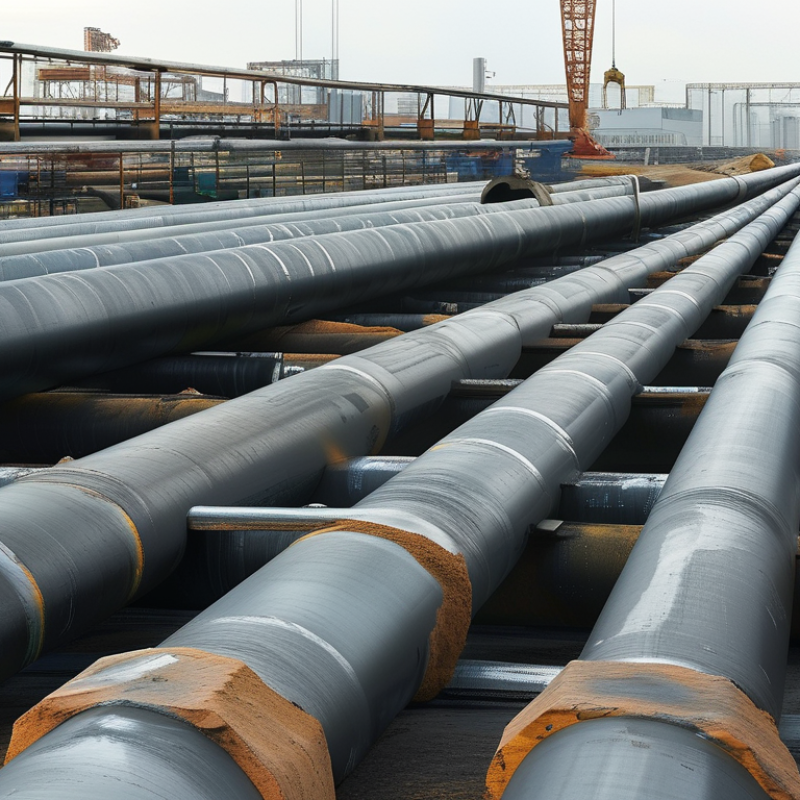
When considering materials for construction projects, carbon steel pipe stands out for its strength and durability. This material excels in high-pressure applications, providing reliable performance in various environments. Carbon steel can withstand extreme temperatures and heavy loads, making it suitable for industries like oil and gas, construction, and manufacturing.
One significant advantage of carbon steel pipe is its resistance to deformation. It maintains structural integrity even under stress, which is vital for long-term use. Additionally, its toughness ensures that it can handle unexpected impacts without significant damage. While carbon steel pipes may require protective coatings to prevent corrosion, their exceptional load-bearing capacity often justifies this need.
Some may worry about the initial cost of carbon steel. However, the investment pays off through longevity and lower maintenance. Choosing carbon steel pipe ultimately leads to fewer replacements and repairs over time. It's crucial to weigh initial costs against long-term benefits. Understanding these factors is essential for making informed decisions in material selection.
Benefits of Carbon Steel Pipe: Strength and Durability
Carbon steel pipes are known for their remarkable strength and durability, making them a preferred choice for various industrial applications. The above chart showcases key metrics such as tensile strength, yield strength, durability, and corrosion resistance of carbon steel pipes. These characteristics emphasize their reliability and efficiency in project use.
Cost-Effectiveness of Carbon Steel Pipe Compared to Alternatives
When considering project materials, carbon steel pipe stands out for its cost-effectiveness. It's cheaper than many alternatives like stainless steel or copper. This is crucial for projects with tight budgets. Carbon steel offers a solid balance of quality and affordability, making it an attractive option.
Durability is another point to consider. Carbon steel pipe can withstand high pressure and temperature. This makes it suitable for various applications, from oil and gas to construction. However, it can corrode if not treated properly. Regular maintenance is essential to enhance its lifespan. This is a trade-off worth considering when evaluating costs.
The availability of carbon steel pipe also adds to its appeal. It is widely produced, ensuring consistent supply and competitive pricing. Nevertheless, choosing the right grade of carbon steel can be challenging. Different projects may require specific characteristics. Understanding these nuances can help maximize the benefits of using carbon steel pipe.
Why Choose Carbon Steel Pipe for Your Project Needs?
| Pipe Type | Cost per Foot ($) | Durability (Years) | Weight (lbs/ft) | Applications |
| Carbon Steel Pipe | $2.00 | 30-50 | 1.5 | Oil & Gas, Construction |
| PVC Pipe | $0.80 | 10-20 | 0.5 | Water Supply, Irrigation |
| Stainless Steel Pipe | $4.00 | 50+ | 2.0 | Food & Beverage, Pharmaceuticals |
| Copper Pipe | $3.50 | 20-50 | 1.2 | Plumbing, Refrigeration |
Applications of Carbon Steel Pipe in Various Industries and Sectors
Carbon steel pipes are widely used across various industries due to their strength and versatility. They are essential in oil and gas industries, transporting fluids under high pressure. Their durability ensures safety and efficiency, making them a preferred choice for pipelines. In construction, carbon steel pipes serve structural purposes, providing support in buildings and bridges. Their ability to withstand heavy loads makes them invaluable for structural integrity.
In manufacturing, carbon steel pipes play a crucial role in machinery and equipment. They are used in hydraulic systems, ensuring fluid transfer is effective and reliable. Additionally, the automotive industry benefits from these pipes in exhaust systems and frame structures. Despite their many advantages, it's important to consider the potential for corrosion. Proper maintenance and coatings can mitigate this issue, but awareness is key.
The versatility of carbon steel pipes extends to the water supply sector as well. They are commonly used for water distribution systems, where strength and reliability are critical. However, improper installation can lead to leaks and inefficiencies. Understanding the specific requirements for each application is essential for optimal performance.
Performance Under High Temperatures and Pressure Ratings of Carbon Steel
Carbon steel pipes are widely chosen for their exceptional performance under high temperatures and pressures. Their ability to withstand extreme conditions is critical in industries like oil and gas, power generation, and manufacturing. According to the American Society of Mechanical Engineers (ASME), carbon steel pipes can operate effectively at temperatures up to 400°C. Many projects require materials that can handle such environments without degrading.
The pressure ratings of carbon steel pipes also make them a preferred choice. For instance, pipes constructed to ASTM A106 grade B can handle pressures up to 2,000 psi. This versatility provides engineers with ample options when designing systems that demand both strength and reliability. The Hoople Engineering report indicates that nearly 75% of piping systems in high-pressure applications utilize carbon steel due to its robustness.
However, not all carbon steel products are equal. Variations in alloy content and manufacturing processes can lead to inconsistencies. It's crucial to ensure that the selected pipes meet stringent industry standards. A careful examination of specifications is necessary to avoid complications down the line. While carbon steel offers many advantages, one must remain vigilant about quality and performance consistency.
Environmental Sustainability of Carbon Steel Pipe: Recycling and Lifespan
Carbon steel pipes are a strong choice for various projects. Their environmental sustainability is an important factor. One of the key benefits of carbon steel is its recyclability. Reports indicate that around 70% of steel is recycled globally, making it a valuable resource at the end of its life cycle. This reduces waste in landfills significantly.
The lifespan of carbon steel pipes can reach up to 50 years or more when properly maintained. This longevity means fewer resources are consumed over time, contributing to environmental conservation. However, maintenance can often be overlooked, leading to premature corrosion. Some estimates suggest that nearly 30% of pipes may require replacement within 10 years due to neglect. Awareness and proactive measures can improve operational efficiency and sustainability.
Additionally, the production process of carbon steel has improved over the years. The industry has implemented practices that reduce energy consumption and carbon emissions. Despite these advancements, challenges remain. Not all facilities adhere to the same environmental standards, which can impact overall sustainability. It’s crucial for project managers to choose suppliers who prioritize eco-friendly practices in their manufacturing processes.