How to Choose Garment Labels for Global Sourcing?
Choosing Garment Labels for global sourcing is not a decorative decision. It affects product identity, customer trust, customs documentation, and factory consistency. A woven neck label may look perfect in a sample room, yet feel rough after repeated washing. A printed care label may remain clear in Europe but fade under stronger commercial laundry conditions. Small details matter.
Mike Cahn, a recognized apparel labeling and compliance specialist, offers a practical warning: “A label is a small part of a garment, but a large part of compliance.” His point is useful for sourcing teams. Label selection should begin with the product’s market, fabric, washing method, and expected lifespan. Fiber content, care instructions, country-of-origin details, and supplier traceability need careful review. Requirements can differ between destinations. Never assume one format works everywhere.
Material choice also deserves hands-on testing. Compare cotton, recycled polyester, satin, heat-transfer, and woven options against the actual garment. Check edge softness, ink durability, colorfastness, adhesive performance, and placement accuracy. Ask suppliers for production samples, not only digital artwork. Inspect labels after washing, pressing, folding, and packaging.
There is no perfect label.
A cheaper option may create returns later. A premium label may exceed the product’s real value. I have seen sourcing plans focus heavily on appearance while ignoring scratchiness, translation quality, or barcode readability. That mistake is easy to repeat. A reliable sourcing process balances comfort, compliance, brand presentation, and total cost. Garment Labels should support the garment quietly, clearly, and consistently across every market.
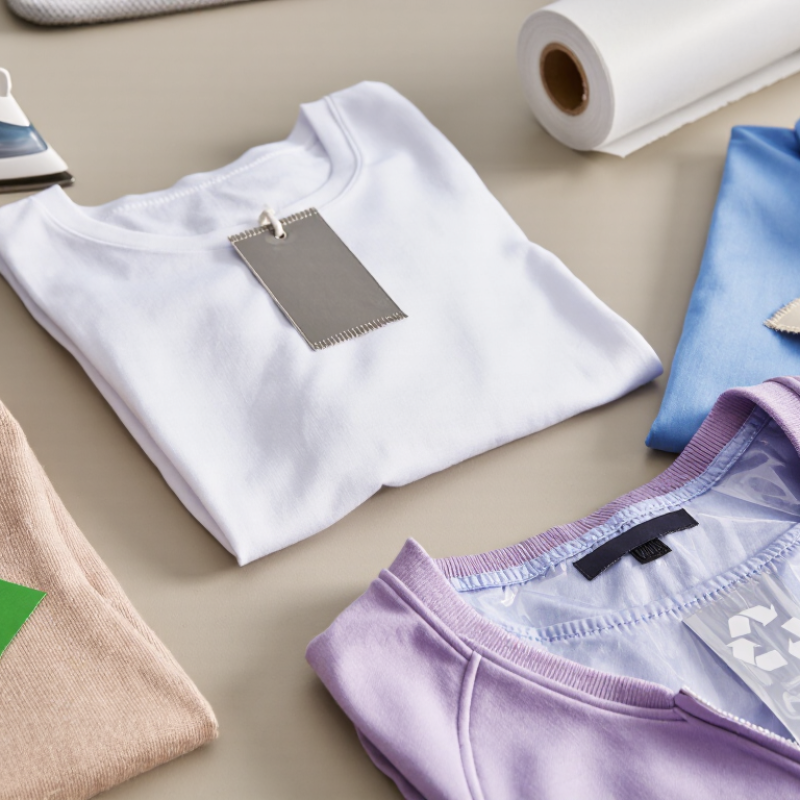
Define the Purpose and Information Needs of the Garment Label
How to Choose Garment Labels for Global Sourcing?
Define the Purpose and Information Needs of the Garment Label
A garment label should solve a clear communication problem. It may identify fiber content, care instructions, size, origin, or production tracking details. Do not force every message onto one small label. Crowded text becomes difficult to read and easier to mistranslate. During factory reviews, I recommend mapping each required detail to its user: the buyer, worker, retailer, or final customer.
Material data deserves particular attention. Textile Exchange’s 2024 Materials Market Report estimated global fiber production at 124 million tonnes in 2023. It projects production could reach 160 million tonnes by 2030. This growth makes accurate fiber disclosure more important. If a product uses blended fibers, state the composition precisely. Vague terms can weaken purchasing decisions and complicate later verification.
Care information should match the actual garment, not a standard template. Test shrinkage, colorfastness, seam strength, and drying behavior before approving the label. A small QR code may support deeper traceability, but it should not replace essential printed information. Not every customer has reliable internet access. That detail is easy to overlook. Labels also need practical checks across languages, washing symbols, and local requirements. A label can never carry every answer. Sometimes, the better decision is admitting what the supply chain has not verified yet.
Choose Label Materials for Comfort, Durability, and Sustainability
Choosing garment labels for global sourcing starts with the wearer’s skin. Comfort comes first. For shirts, underwear, and children’s clothing, soft woven polyester, cotton, or satin labels can reduce scratching. Rounded edges and low-profile stitching also matter. A label that feels smooth in the sample may become irritating after repeated washing, so test it against the actual fabric.
Durability depends on the garment’s journey. Labels for workwear or activewear should resist moisture, friction, heat, and frequent washing. Request wash-test results from suppliers, and check whether printed text fades after several cycles. In my sampling experience, a strong adhesive is not always a better choice. It may stiffen the fabric or leave residue. Sewing usually offers more reliable performance, but it can increase production time.
Sustainability requires more than choosing a recycled material. Ask where the fibers come from, how the label is dyed, and whether production records are traceable. Recycled polyester may improve material efficiency, yet it can still create waste when labels are oversized or frequently rejected. Smaller labels use fewer resources. That is useful, but not automatically sustainable. Consider material weight, packaging, transport, and end-of-life separation together. Request clear test reports and supplier documentation before placing a large order. Test it twice. A practical compromise may be better than an impressive claim.
Match Label Types to Garment Designs and Production Requirements
How to Choose Garment Labels for Global Sourcing?
Label selection should follow the garment’s design, fabric, and production process. Woven labels suit structured jackets, denim, and durable workwear. Printed labels feel lighter inside soft T-shirts and underwear. For sportswear, heat-transfer labels reduce bulk and friction. However, some transfers crack after repeated washing. Test them before approval.
Material choices also affect sourcing decisions. Textile Exchange’s Materials Market Report 2024 estimates global fiber production reached 124 million tonnes in 2023. It may rise to 160 million tonnes by 2030. This growth increases demand for clear fiber identification and traceable materials. A label should show fiber composition, care instructions, size, and origin details where required. ISO 3758 provides a recognized framework for care symbols. Still, symbols alone may confuse consumers in some markets. Local language checks remain essential. Small details matter.
Tips: Request wash-test samples from every supplier. Compare label softness, colorfastness, adhesive strength, and edge comfort. Match label dimensions with seam allowances. Keep a signed specification sheet for production control. Do not approve artwork from a screen alone. Physical samples reveal stiffness, shade differences, and poor cutting. In my experience, factories often solve these issues cheaply when testing starts early. Sometimes, the cheapest label creates the most rework. That deserves reflection.
Check Global Compliance, Care Instructions, and Brand Standards
Global sourcing makes a garment label more than a small piece of fabric. It becomes a compliance checkpoint. Check fiber content, country-of-origin wording, language needs, and local labeling rules for every destination. ISO 3758:2023 provides standardized care symbols, but symbols alone may not satisfy every market. The U.S. Federal Trade Commission also requires accurate care instructions and fiber information for covered products.
Care instructions should match the garment’s real performance. Test shrinkage, colorfastness, print durability, and washing results before approving the label. A useful label might state “machine wash cold” and “line dry,” but only when testing supports those instructions. Vague wording creates returns and damages trust. It happens more often than teams admit.
Brand standards need equal attention. Define label dimensions, thread color, placement, attachment method, barcode quality, and approval samples. The Fashion Revolution Transparency Index 2023 reviewed 250 major companies and reported an average transparency score of only 18%. That finding suggests traceability still needs stronger operational controls. The Fashion on Climate report estimated fashion produced 2.1 billion tonnes of CO2e in 2018, about 4% of global emissions. Better labels cannot solve that impact, yet they can improve material information and care behavior. One imperfect assumption remains: a compliant label is not automatically a clear label. Review it with factories, translators, testing teams, and end users before bulk production.
Evaluate Suppliers, Costs, Samples, and Quality Before Ordering
Choosing garment labels for global sourcing starts with supplier evidence, not attractive catalogs. Ask for the factory location, production capacity, material sources, and quality records. A reliable supplier explains lead times clearly and shares recent sample photos. Request references from comparable orders when possible. Vague answers deserve caution. I have learned that polished communication can hide weak production control. That lesson still matters.
Compare total cost, not only unit price. Include artwork setup, mold fees, packaging, freight, inspection, and remake charges. A low quote may exclude essential finishing. Ask for a written price breakdown in your target currency. Confirm minimum order quantities and payment stages before approving artwork. Currency changes can disturb budgets. Build a small reserve. It feels safer.
Order samples before committing to bulk production. Test woven edges, print sharpness, color consistency, fold accuracy, and attachment strength. Wash a few samples with the intended garment fabric. Check fading, curling, scratching, and loose threads after drying. Record results with dated photographs and a simple inspection sheet. Samples can pass while mass production fails, so define acceptable limits in writing. I once accepted a minor color difference, assuming it was harmless. It became obvious across a full shipment. A second inspection step would have helped. Keep approved samples sealed and compare them during final inspection.