Why Choose Hydraulic Pumps for Your Industrial Needs?
Hydraulic Pumps are vital for many industries. Their ability to provide powerful and efficient fluid movement makes them indispensable. According to John Smith, a renowned expert in hydraulic systems, “Hydraulic pumps drive efficiency in industrial applications.” His insights underline the importance of choosing the right pump for specific needs.
In industrial settings, hydraulic pumps are often preferred due to their reliability. They handle heavy loads and operate smoothly. These pumps can maintain performance in demanding environments, which is crucial for productivity. However, selecting the ideal hydraulic pump can be challenging for many. Not every pump fits every application perfectly.
Considering various factors is essential. Efficiency, durability, and compatibility with existing systems are key aspects. At times, this can lead to oversight in matching a pump to its best use. Therefore, consulting with hydraulic experts can help clarify which pump suits your needs best. The right choice can significantly impact overall operational success.
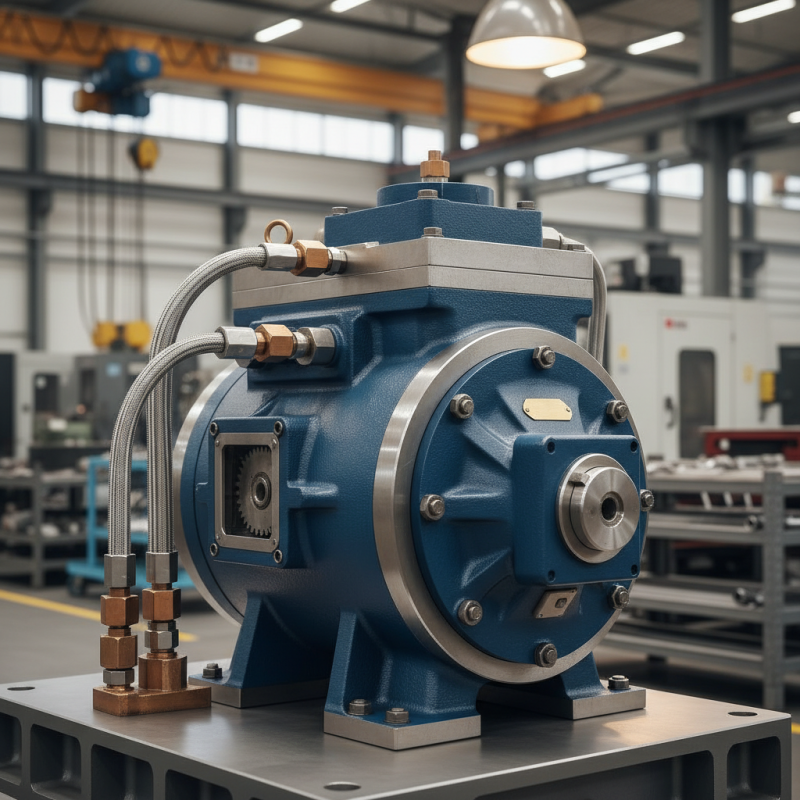
Types of Hydraulic Pumps and Their Applications in Industry
Hydraulic pumps are vital in many industrial applications. They convert mechanical energy into hydraulic energy. This process powers a variety of machinery. Among the different types, gear pumps are often used for low-pressure applications. They are compact and provide reliable flow. However, they may not be suited for high-pressure tasks.
Another type is the piston pump. These pumps are ideal for high-pressure situations. They can deliver precise amounts of fluid, making them essential for applications like injection molding. But, they require more maintenance than other types. Certain environments can also lead to wear and tear.
Vane pumps offer a middle ground. They balance efficiency and versatility. They can work in both low and moderate pressures. However, their design may limit their effectiveness in extreme conditions. Understanding these differences is crucial for industries looking to optimize their processes. Choosing the wrong type can lead to inefficiencies and higher costs.
Types of Hydraulic Pumps and Their Applications in Industry
Advantages of Using Hydraulic Pumps Over Other Pump Types
Hydraulic pumps are essential in various industrial applications due to their superior capability and efficiency. One major advantage is their ability to generate significant power with relatively compact designs. This is largely due to the incompressibility of hydraulic fluid, allowing for high force output from a small unit. Users often find that this power translates directly to increased productivity in operations.
Moreover, hydraulic pumps operate smoothly under heavy loads. They handle tasks that would be difficult or impossible for electric or pneumatic pumps. The speed of hydraulic systems can be easily adjusted, providing flexibility in workflows. For example, in construction or manufacturing, these pumps allow precise control over machinery. However, they also require diligent maintenance to avoid leaks and pressure drops. Users sometimes overlook this aspect, which can lead to inefficiencies.
Another point to highlight is the versatility of hydraulic pumps. They can be adapted for various applications, from lifting heavy equipment to powering conveyor systems. However, their complexity can pose challenges for operators unfamiliar with hydraulic technology. Training and expertise are vital to fully harness these pumps' benefits. Neglecting operator training can result in misapplications, reducing their potential effectiveness and reliability.
Why Choose Hydraulic Pumps for Your Industrial Needs?
| Advantage | Description | Typical Applications |
| High Efficiency | Hydraulic pumps are known for their ability to perform heavy work with less energy input compared to other types. | Construction machinery, metal forming, and automotive industries. |
| Compact Design | Hydraulic systems can be compact, allowing for efficient use of space. | Robotics, mobile equipment, and agricultural machinery. |
| Load Handling | Hydraulic pumps can handle heavy loads easily, making them ideal for lifting systems. | Cranes, forklifts, and material handling equipment. |
| Durability | Designed for tough conditions, hydraulic pumps tend to have a longer lifespan when maintained properly. | Mining, logging, and heavy-duty industrial applications. |
| Versatility | Hydraulic pumps can be used in a wide range of applications and fluid types, enhancing flexibility. | Hydraulic presses, automotive maintenance, and aerospace systems. |
Basic Operating Principles of Hydraulic Pumps Explained
Hydraulic pumps are vital in various industrial applications. Their basic operating principle revolves around converting mechanical energy into hydraulic energy. This process starts when the pump draws fluid from a reservoir. The pump then pressurizes this fluid and directs it through a system of hoses and valves. As the fluid moves, it powers machinery and equipment efficiently.
Understanding the operation of hydraulic pumps can be complex. They use a variety of mechanisms, including gear, piston, and vane designs. Each type has its specific advantages and limitations. For instance, gear pumps are known for their reliability but may not handle highly viscous fluids well. Piston pumps can offer higher pressures but come with increased maintenance demands.
This leads to the question of which pump is best suited for your needs. Factors such as fluid type, required pressure, and operational environment play crucial roles. Selecting the right hydraulic pump isn't just about efficiency; it also involves anticipating potential challenges. Many industries have faced issues with pump failures, underscoring the importance of proper maintenance and periodic assessments. Balancing performance with reliability requires ongoing reflection and adjustment.
Key Factors to Consider When Selecting Hydraulic Pumps
When selecting hydraulic pumps for industrial applications, several key factors must be considered. Efficiency is crucial. According to a recent industry report, hydraulic systems can lose up to 30% of their efficiency due to poor component selection. A precise match between the pump and system requirements optimizes energy use. This is essential for reducing operational costs and improving overall productivity.
Another important factor is the pump’s pressure rating. Different applications demand different pressure levels. For instance, a heavy-duty construction operation may require pumps that can handle pressures upwards of 5000 psi. Reliability is also paramount. Hydraulic pumps should be designed for longevity and minimal maintenance. Research indicates that proper pump selection can extend service life by up to 50%. This not only saves money but also reduces downtime, which is a critical aspect of maintaining operational flow.
Finally, consider the size and installation space. Hydraulics must fit seamlessly into existing systems. Miscalculations can lead to inefficient layouts and increased installation costs. It’s crucial to engage with professionals who understand these variances. While data and guidelines exist, every scenario is unique. Evaluating these factors ensures that hydraulic systems function correctly, delivering the performance and durability your business needs.
Maintenance and Troubleshooting Tips for Hydraulic Pumps
Hydraulic pumps are vital in many industrial operations. Proper maintenance is crucial for their longevity and efficiency. Regular checks can prevent costly downtime. According to industry reports, 70% of pump failures come from inadequate maintenance. This statistic underscores the importance of establishing a routine maintenance schedule.
One of the fundamental maintenance tasks is checking the fluid levels. Insufficient fluid can lead to overheating and mechanical failure. Additionally, keeping an eye on the seals is essential. Worn or damaged seals can cause leaks, which compromise pump performance. Research indicates that 30% of hydraulic failures result from seal degradation. Regular inspections can mitigate these issues.
Troubleshooting is another critical aspect. If your hydraulic pump isn't responding as expected, check for unusual noises or vibrations. These symptoms often signal underlying problems. A common issue is cavitation, which occurs when the pump doesn’t receive enough fluid. This can lead to severe damage over time. Diagnosing such problems early can save resources and ensure smooth operations.