How to Choose the Right Brass Nickel Plated Ball Valve?
Choosing the right Brass Nickel Plated Ball Valve is essential for various applications in plumbing and industrial processes. The global market for ball valves is projected to reach $15.45 billion by 2025, according to industry reports. As demand grows, decision-makers must rely on accurate information to select the best valves for their systems.
The Brass Nickel Plated Ball Valve is known for its corrosion resistance and durability. However, not all brass valves are created equal. It's vital to consider specific factors such as pressure ratings, temperature limits, and the type of media being transported. These details can significantly impact performance and longevity.
Despite the abundance of choices, many consumers struggle with decision-making. A study showed that 30% of users faced difficulties in understanding specifications. This highlights the need for careful reflection on available options. Choosing the wrong valve can lead to costly failures. Investing in a quality Brass Nickel Plated Ball Valve can ultimately save time and resources in the long run.
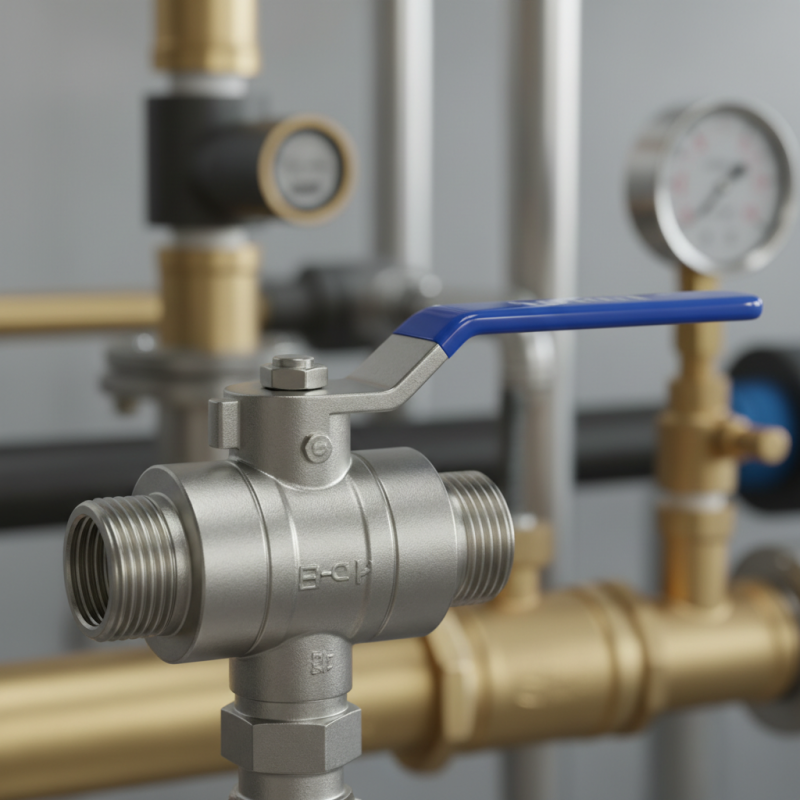
Understanding Brass Nickel Plated Ball Valves and Their Applications
Brass nickel plated ball valves are essential components in many plumbing and industrial systems. They provide reliable flow control for liquids and gases. The nickel plating enhances the corrosion resistance of the brass, making it suitable for various applications. Industries often use these valves in water supply systems, gas pipelines, and HVAC installations.
Selecting the right valve involves understanding its purpose. Some valves are designed for high pressure, while others are for low flow rates. It's important to analyze the specific needs of your system. Consider the temperature range and chemical compatibility as well. These details will impact valve performance.
Installation can be challenging. Ensure proper alignment and tightening during the setup to avoid leaks. Regular maintenance is crucial, but it is often overlooked. Inspect your valves periodically for signs of wear or corrosion. Addressing these issues early can prevent larger problems in the future. Understanding the applications and limitations of brass nickel plated ball valves leads to better decision-making.
How to Choose the Right Brass Nickel Plated Ball Valve? - Understanding Brass Nickel Plated Ball Valves and Their Applications
| Feature | Description | Applications |
| Material | Brass with nickel plating for corrosion resistance. | Water systems, chemical processing, oil and gas applications. |
| Size | Available in various sizes from ¼" to 4". | Industrial piping, residential plumbing. |
| Pressure Rating | Typically rated for up to 600 psi. | High-pressure systems in manufacturing and processing. |
| Temperature Range | Suitable for temperatures up to 300°F. | Hot water systems, steam applications. |
| End Connection Type | Available in threaded, solder, and flanged connections. | Versatile installation options in various settings. |
Factors to Consider When Selecting a Brass Nickel Plated Ball Valve
When selecting a brass nickel plated ball valve, several key factors must be considered. One crucial aspect is the valve's pressure rating. According to industry reports, choosing a valve with the appropriate pressure rating ensures durability and safety. Most standard brass valves can handle pressures between 150 to 300 PSI. It's essential to match the valve's specifications with the system's needs.
Another important factor is the valve's size. The wrong size can cause flow restrictions or leakage. It's advisable to measure both the pipe diameter and the space where the valve will be installed. Accurate size selection minimizes unnecessary costs and maximizes efficiency. The material composition also plays a role; it can influence the corrosion resistance and longevity of the valve in various environments.
Tips: Always review installation guidelines to avoid common mistakes. Utilize proper tools and techniques for fitting the valves to prevent leaks.
Lastly, consider the intended application. Whether for domestic use or industrial purposes, specific requirements can vary greatly. Validate your choice against manufacturer recommendations or industry standards. Conducting thorough research helps optimize performance and reliability, fostering responsible use of resources.
Comparing Different Types of Brass Nickel Plated Ball Valves
Choosing the right brass nickel plated ball valve involves considering several types available in the market. Each type has distinct features, which affects performance based on your application. According to industry reports, the global ball valve market is projected to grow significantly, highlighting the importance of selecting the appropriate style.
Brass ball valves are favored for their durability and corrosion resistance. However, not all brass valves are the same. You might encounter options like floating or trunnion-mounted designs. Floating ball valves feature a ball that rests on the seat, providing better sealing under lower pressure. In contrast, trunnion-mounted valves are ideal for high-pressure applications. Understanding these differences is crucial to making an informed choice.
Tips: Always assess the pressure and temperature requirements of your system. Ensure compatibility with the fluids being transported. Consider the valve's maintenance needs, as different types have varying service expectations. Regular inspections can prevent costly surprises, a common oversight in valve maintenance.
Maintenance Tips for Brass Nickel Plated Ball Valves
Brass nickel plated ball valves require regular maintenance to ensure long-lasting performance. Start by inspecting the valve for any signs of corrosion or wear. Pay close attention to the nickel plating. If you notice any peeling or flaking, it may indicate underlying issues. Regular checks can prevent larger problems in the future.
Cleaning is crucial. Use a soft cloth to wipe down the exterior. Avoid harsh chemicals that can damage the plating. Instead, opt for warm water and mild soap. After cleaning, dry the valve thoroughly to prevent moisture buildup. To maintain smooth operation, apply a suitable lubricant to moving parts occasionally.
Storage matters too. If the valve is not in use, keep it in a dry, cool area. Exposure to excessive humidity can accelerate corrosion. Always ensure the valve is closed tightly in storage. Regular check-ins on your valves will foster reliability and performance. Adopting these practices may require some upfront effort, but they pay off significantly in the long run.
Maintenance Tips for Brass Nickel Plated Ball Valves
Common Misconceptions About Brass Nickel Plated Ball Valves
When it comes to brass nickel plated ball valves, many misconceptions often cloud the decision-making process. One common myth is that all brass ball valves are created equal. In reality, the quality of the materials and the manufacturing process can significantly impact performance. Misunderstandings about the corrosion resistance of nickel plating can lead to poor choices, as some may believe that it is invincible. While nickel plating offers added protection, it can wear away over time, particularly in harsh environments.
Another frequent misconception is about their suitability for all applications. Some users think a single type of ball valve can handle multiple tasks. This oversimplification can lead to failure under pressure or when exposed to certain fluids. It's essential to analyze the specific needs of your application, including temperature and pressure ratings. Many overlook this crucial step, which can lead to costly repairs down the line. Understanding your environment is key to making the right choice. A ball valve's performance is not solely defined by its material but also by how well it complements your existing system.