How to Choose the Right Hydraulic Proportional Valve for Your Needs?
Choosing the right Hydraulic Proportional Valve can be a challenging task. These valves play a crucial role in controlling fluid flow and pressure in hydraulic systems. The performance of your machinery heavily relies on this component. Selecting an inappropriate valve may lead to inefficiencies or even system failures.
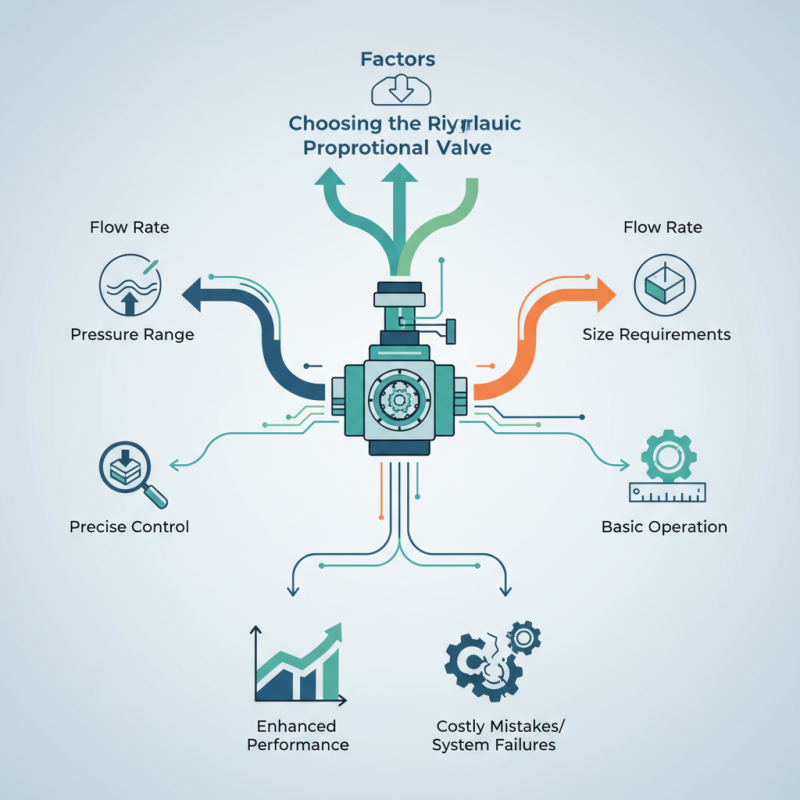
Understanding your specific needs is essential. Factors such as flow rate, pressure range, and size requirements must be considered. It’s also important to evaluate the type of application. Do you need precise control or just basic operation? Each scenario demands different features in a Hydraulic Proportional Valve.
Many users overlook technical specifications. This can result in mismatches with system capabilities. Reflecting on these details is vital. The right valve enhances performance, while the wrong choice can lead to costly mistakes. Take the time to assess your requirements carefully.
Understanding Hydraulic Proportional Valves: Definitions and Functions
Hydraulic proportional valves are crucial components in hydraulic systems. They control fluid flow and pressure with precision. Understanding their definitions and functions is essential for making informed choices. These valves modulate flow rates based on electrical signals. They allow for smooth operation and enhance system responsiveness.
Selecting the right valve can be daunting. Consider the application requirements. Think about pressure ratings and flow ranges. A mismatch could lead to inefficiencies.
Tips: Always examine the specifications carefully. Look for compatibility with your system. Testing under actual conditions is invaluable. It’s easy to overlook minor details, but they matter. Sometimes trial and error is part of the process. Reevaluate your choices based on performance feedback. Don't hesitate to adjust your selection if needed.
Key Specifications to Consider When Selecting a Proportional Valve
Choosing the right hydraulic proportional valve involves understanding key specifications. One important factor is the flow rate. It determines the amount of fluid that can pass through the valve. A valve with too low a flow rate might restrict your system. On the other hand, a valve with too high a flow rate can lead to inefficiencies.
Pressure rating is another crucial specification. Ensure the valve can handle the maximum pressure in your system. An undervalued pressure rating can lead to failure or leaks. However, selecting a valve with an excessively high rating may increase costs unnecessarily.
**Tip:** Always match the valve's pressure rating with your application's needs.
Additionally, consider response time. A valve must react quickly to input changes for optimal performance. If the response time is too slow, it can lead to delays in your system’s operation.
**Tip:** Testing the valve under real conditions can offer valuable insight.
Lastly, think about the control method. Analog and digital controls have different advantages. Choose one that aligns with your system's design for the best results.
**Tip:** Evaluate how each control method fits your requirements.
Proportional Valve Selection Criteria
This bar chart displays key specifications to consider when selecting a hydraulic proportional valve for your application, including pressure rating, flow rate, response time, and control type.
Assessing Flow and Pressure Requirements for Your Hydraulic System
When assessing flow and pressure requirements for a hydraulic system, precision is key. The flow rate you need often depends on the application type. For instance, standard hydraulic systems typically operate between 5 to 50 gallons per minute (GPM). However, high-demand applications might exceed 100 GPM, necessitating a robust proportional valve that can maintain accurate control.
Pressure requirements also vary. Many systems function well within a pressure range of 1,500 to 3,000 psi. Yet, in some heavy machinery, pressures can soar to 5,000 psi or more. Selecting a valve that matches or exceeds this pressure is crucial. A mismatch could lead to system inefficiencies or even component failure.
It's essential to factor in potential operational changes. If your system might see increased load over time, ensure your valve can adapt. Industry data suggests that 30% of hydraulic failures are due to mismatched components. Relying on conservative estimates could result in insufficient performance. Continuous assessment of your needs ensures that the chosen valve remains aligned with system demands, preventing costly downtimes.
Evaluating Control Signal Types and Their Impact on Valve Performance
When choosing a hydraulic proportional valve, understanding control signal types is crucial. Control signals directly impact valve performance. They can be analog or digital. Each type has strengths and weaknesses that should be considered.
Analog signals offer smooth and precise control. They adjust continuously based on input voltage. This can lead to better responsiveness in dynamic applications. However, analog systems may be more susceptible to noise. It's important to ensure proper shielding and grounding. This can be a headache if not considered early.
Digital signals, on the other hand, provide discrete control. They switch on and off rapidly, affecting precision. This can simplify installations but may sacrifice responsiveness. Users should consider how their specific application handles these control signals. A mismatch in expectations can lead to inefficiencies or unexpected outcomes. A real-world evaluation of your setup can help you make informed decisions.
Common Applications of Hydraulic Proportional Valves in Various Industries
Hydraulic proportional valves play a crucial role in various industries. They provide precise flow control, which enhances the operation of machinery. In agricultural equipment, for example, these valves ensure that hydraulic systems deliver the required power. This results in increased efficiency and yields. When planting or harvesting, small adjustments make a significant impact.
In the construction sector, proportional valves are essential. They control the movement of excavators and cranes with great accuracy. Operators can achieve smoother operations, reducing wear on machinery. However, choosing the right valve can be daunting. Misjudging specifications can cause performance issues and costly downtime.
These valves are also used in manufacturing. They regulate the movement of robotic arms in assembly lines. This not only enhances productivity but also maintains precision. However, improper setup can lead to errors. Regular maintenance and adjustments are necessary for optimal performance. Many overlook this, leading to frustrations down the line. The importance of these valves extends across the board, yet their complexities demand careful consideration.
How to Choose the Right Hydraulic Proportional Valve for Your Needs?
| Application | Key Features | Industry | Typical Flow Rate (L/min) | Typical Pressure Range (bar) |
| Material Handling | Highly responsive, adjustable flow rate | Manufacturing | 30-100 | 100-250 |
| Agriculture Equipment | Smooth control, environmental resistance | Agriculture | 20-80 | 50-200 |
| Construction Equipment | Durable, high-pressure capability | Construction | 50-150 | 150-350 |
| Automotive Testing | Precision control, fast response | Automotive | 10-50 | 70-150 |
| Mining Operations | Robust design, high load capacity | Mining | 100-300 | 200-400 |