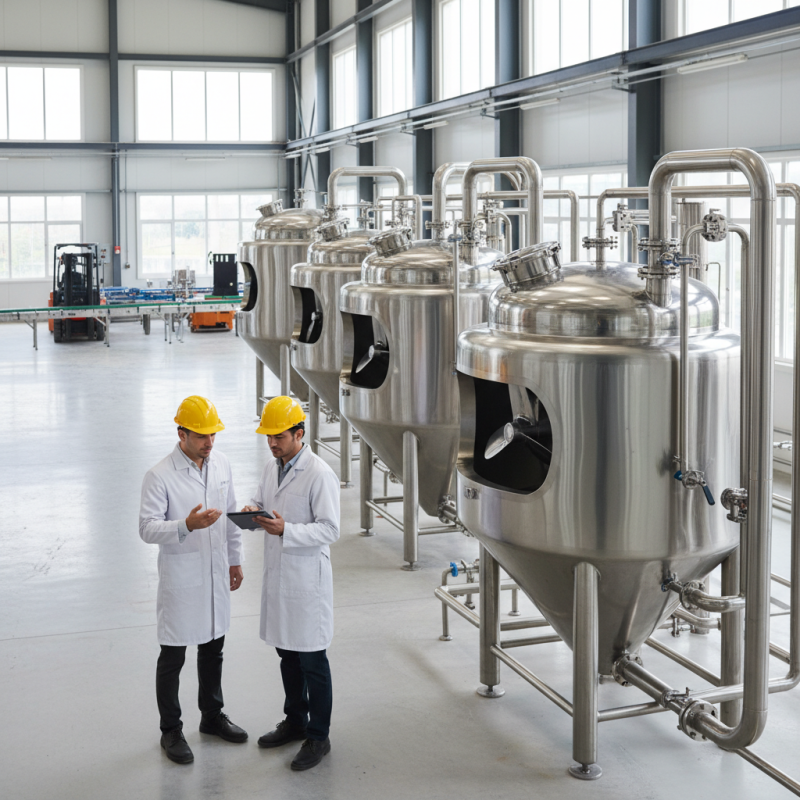
Why Choose the Right Mixing Tank for Your Business Needs?
Choosing the right Mixing Tank is crucial for various industries. A quality mixing tank can elevate product quality and streamline operations. These tanks come in various sizes and materials, each designed for specific processes. Understanding your business's unique needs will guide you to the ideal tank.
The market is filled with options, but not all mixing tanks are created equal. It's essential to evaluate factors like tank size and mixing technology. An inefficient tank can lead to production delays and inconsistent results. Sometimes, businesses settle for less due to cost, but this can compromise the final product.
Investing in the right mixing tank means considering reliability and efficiency. A tailored solution leads to better outcomes. It also enhances your business's reputation by delivering high-quality products. Reflect on your current mixing processes and assess where improvements can be made.
Factors to Consider When Selecting a Mixing Tank for Your Business
Choosing the right mixing tank can significantly impact your business operations. Factors such as tank size, material, and design are critical. A tank too small may hinder production. A tank that’s too large can lead to increased costs.
The material of the mixing tank is important. Different processes require different materials. For example, stainless steel is great for durability but can be expensive. Plastic tanks are lighter but may not withstand high temperatures. Understand your needs to make a wise decision.
Consider the mixing technology as well. Some tanks use mechanical agitation, while others rely on air. The chosen method can affect efficiency and product quality. Reflecting on your unique process needs is vital. Inadequate research may lead to poor choices. Always evaluate your options carefully; a tank’s design can influence maintenance feasibility and lifespan.
Why Choose the Right Mixing Tank for Your Business Needs?
| Factor | Importance | Considerations | Examples |
| Material Compatibility | High | Assess materials to prevent corrosion and contamination. | Stainless steel for aggressive chemicals. |
| Tank Size | Medium | Consider production volume and batch sizes. | 10L for small batches, 1000L for larger operations. |
| Agitation Type | High | Determine mixing requirements: gentle vs. vigorous. | Propeller for light mixing, paddle for thick substances. |
| Heating/Cooling Options | Medium | Required for processes that involve temperature sensitivity. | Jacketed tanks for heating or cooling. |
| Design and Accessibility | Medium | Ensure ease of use for cleaning and maintenance. | Top access hatches for easy cleanup. |
Types of Mixing Tanks and Their Applications in Various Industries
Mixing tanks play a crucial role across various industries. They come in different types, each designed for specific applications. For instance, in the food industry, stainless steel mixing tanks ensure hygiene and quality. These tanks can handle large batches of products, from sauces to beverages. Their precision in blending ingredients is vital for consistency in flavor and texture.
In the chemical sector, specialized mixing tanks are essential for a variety of processes. These tanks often include features like heating and cooling systems. This allows for the safe mixing of reactive substances. However, proper maintenance is often overlooked, leading to potential inefficiencies. Operators must be vigilant about wear and tear to ensure optimal performance.
Pharmaceutical mixing needs require tanks that adhere to strict standards. They are designed for precision and sterility, enabling accurate formulation of medicines. Yet, many facilities fail to regularly upgrade their equipment. This can hinder production capabilities and affect product quality. Choosing the right tank is not just about capacity. It involves understanding specific needs and future growth potential.
Key Features of Mixing Tanks That Impact Performance and Efficiency
Choosing the right mixing tank is crucial for optimizing production. Different applications require specific tank features. A well-designed tank can enhance mixing efficiency significantly. According to recent industry studies, inadequate mixing can lead to a 30% reduction in process efficiency.
Key features that impact tank performance include mixer placement, baffle configuration, and tank shape. For instance, a tank with appropriate baffles creates better flow patterns. These patterns improve the mixing of viscous materials. Moreover, varying tank sizes and shapes influence shear rates and mixing times. Larger tanks often face challenges in achieving uniformity, especially with thick fluids.
Temperature control is another vital feature. Proper temperature regulation can affect product quality and consistency. Reports indicate that temperature fluctuations can cause up to a 25% variance in final product characteristics. Businesses must consider these factors carefully. Ignoring them may lead to excessive waste and inconsistent results. Each aspect of the mixing tank plays a role in achieving operational excellence.
Cost-Benefit Analysis: Investing in the Right Mixing Tank
When considering a mixing tank, a cost-benefit analysis is crucial. The right tank can significantly impact your production efficiency. A well-designed tank minimizes energy costs and optimizes mixing time. This leads to a quicker production cycle and less waste, ultimately improving your bottom line.
Investing in high-quality materials can seem expensive upfront. However, the durability of these tanks often leads to lower replacement costs. Cheaper alternatives may require more frequent maintenance and repairs. Over time, these expenses add up. A reliable tank reduces the chances of production downtime, ensuring consistent output.
Selecting a mixing tank should align with your specific needs. Ensure it fits your production scale and product types. Sometimes, businesses overlook unique requirements. For instance, the wrong tank shape can affect the mixing process. Evaluating your needs thoroughly will help avoid costly mistakes in the long run.
Maintenance and Safety Tips for Optimal Use of Mixing Tanks
When using mixing tanks, maintenance is critical. Regular inspections can prevent unexpected breakdowns. Check for leaks or corrosion weekly. Small issues, if neglected, can lead to bigger problems. Replace worn seals and gaskets immediately to ensure efficiency. A clean tank promotes better mixing. Residue can affect product quality and tank longevity.
Safety is paramount in tank operation. Always use protective gear when working around mixing tanks. Ensure that all safety valves function properly to prevent overpressure. Training staff on emergency procedures is essential. A clear evacuation plan minimizes risks during an incident. Don't overlook the importance of a well-ventilated area; this helps disperse any harmful vapors.
Mixing tanks should be kept at optimal operating conditions. Regular calibration of mixing speeds and temperatures ensures product consistency. In fluctuating environments, adjust settings to maintain quality. Be aware of the specific requirements for each material. Using incorrect temperatures can degrade components. Safety and maintenance, while sometimes tedious, are crucial for business success.