How to Choose the Right Centrifugal Air Blower for Your Needs?
Choosing the right Centrifugal Air Blower is crucial for optimizing industrial processes. In recent years, the demand for efficient airflow solutions has surged. According to a Market Research Future report, the global blower market is projected to reach over $7 billion by 2026. This growth highlights the significance of selecting the appropriate blower to meet specific operational needs.
Centrifugal Air Blowers are known for their ability to handle large volumes of air. They are widely used in various sectors, including manufacturing and wastewater treatment. The right blower can enhance efficiency and reduce energy consumption. A poorly chosen model may lead to increased operational costs and reduced performance. Users often overlook factors like air pressure, flow rate, and energy efficiency when making decisions.
Understanding your unique requirements is key. Evaluating the working environment, desired airflow, and energy costs can guide your choice. High-quality Centrifugal Air Blowers can provide reliable service, but not every model will suit your needs. Striking a balance between performance and cost is essential for long-term success. Reflecting on these aspects can lead to better decision-making in selecting the right blower.
Understanding Centrifugal Air Blowers: Basics and Applications
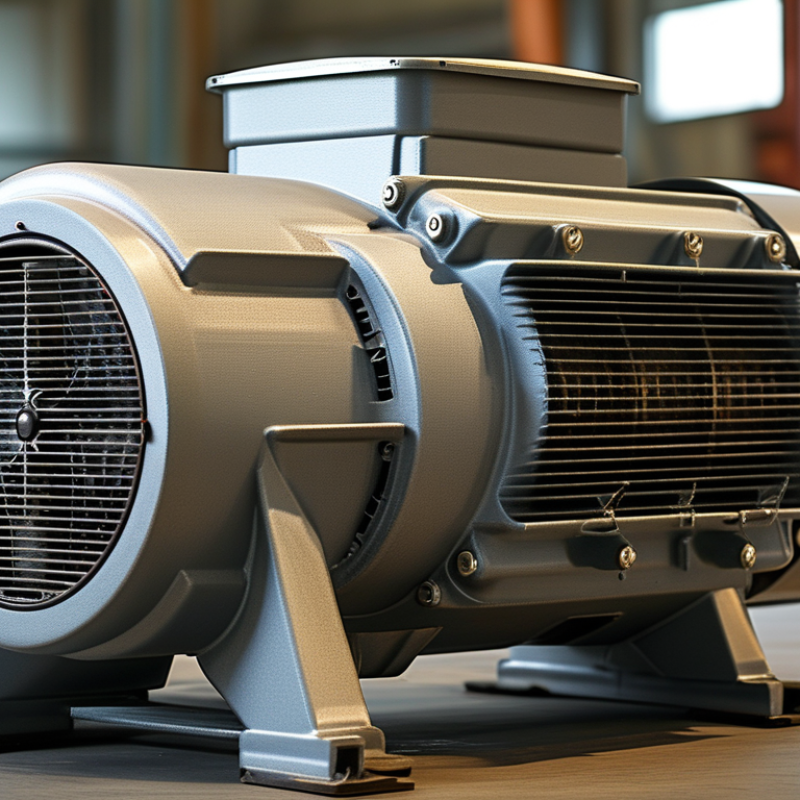
Centrifugal air blowers play a crucial role in various applications, from industrial processes to HVAC systems. Understanding their functionality is essential. These blowers operate by converting rotational energy into airflow. A rotating impeller draws air in and expels it at a higher pressure. This simple principle supports diverse uses, such as cooling, drying, and ventilating.
Different applications demand different specifications. For instance, a centrifugal air blower for a factory may require high volumes of airflow and durability. Conversely, a small-scale system may prioritize energy efficiency. It’s important to recognize your specific needs. Factors such as airflow rate, pressure, and energy consumption greatly influence your choice. Filtering and noise levels may also be necessary considerations.
Despite their advantages, centrifugal blowers can come with limitations. They may be less effective in handling moisture, which can lead to corrosion over time. Regular maintenance often becomes necessary to ensure performance. Using a blower that doesn’t exactly match your requirements can result in inefficiency. Reflecting on these aspects will guide a more informed decision.
How to Choose the Right Centrifugal Air Blower for Your Needs?
| Parameter | Description | Considerations |
| Airflow Rate | The volume of air the blower can move, typically measured in CFM (cubic feet per minute). | Choose based on the size of the space and required air exchange rate. |
| Static Pressure | The resistance against the airflow, often measured in inches of water gauge. | Ensure the blower can overcome the static pressure of the system. |
| Motor Power | The power of the motor driving the blower, measured in HP or kW. | Select according to the duty cycle and efficiency required. |
| Noise Level | The sound produced by the blower, typically measured in decibels (dB). | Consider workplace regulations and comfort; lower noise is generally preferred. |
| Size and Weight | The physical dimensions and weight of the blower unit. | Ensure compatibility with installation space and structural support. |
| Application Type | The specific use case for the blower, such as industrial, HVAC, or agricultural. | Choose a blower designed for your particular application to ensure efficiency. |
Key Factors to Consider When Selecting a Centrifugal Air Blower
Choosing the right centrifugal air blower requires careful consideration. It's essential to identify your specific needs before making a decision. Factors such as airflow requirements, pressure, and noise levels play a significant role in your selection. Each application may demand varying specifications. That’s why understanding your project's unique demands is crucial.
Tips: Assess your airflow needs by measuring the space you will ventilate. Use data to calculate the required flow rate. Don't overlook noise levels, especially in residential areas. Select a blower that operates within acceptable limits for your environment.
Durability also matters. Consider materials used in construction. High-quality blowers usually last longer and require less maintenance. Cheaper options may save money initially but could lead to frequent replacements. Think about the long-term implications of your choice.
Tips: Research the maintenance requirements as you assess different models. A reliable blower should have accessible parts for simple repairs. User reviews can provide insights into long-term performance and issues to watch for. Balancing cost with quality remains a key challenge in your selection process.
How to Choose the Right Centrifugal Air Blower for Your Needs?
This bar chart represents key factors to consider when selecting a centrifugal air blower, including Airflow Rate (CFM), Efficiency (%), and Noise Level (dB).
Comparing Different Types of Centrifugal Air Blowers Available
When selecting the right centrifugal air blower, understanding the available types is essential. Centrifugal air blowers generally fall into categories based on their design and application. Side-channel blowers are known for their quiet operation and efficiency at low flow rates. They are suitable for applications requiring gentle air movement. On the other hand, backward-curved blowers are designed for high-pressure scenarios. Their durability makes them ideal for industrial settings.
Another notable type is the forward-curved blower, which excels in producing high airflow. These blowers are compact and provide more air at lower pressures. However, they may not be as efficient in high-pressure applications. It's crucial to consider your specific environment and needs when comparing these options. Each type has distinct advantages and limitations. Testing a few models can help reveal the best choice for your unique situation. It's wise to evaluate performance metrics and noise levels carefully, as these factors significantly influence overall satisfaction with the blower chosen.
Evaluating Performance Metrics: CFM, Static Pressure, and Efficiency
When selecting a centrifugal air blower, key performance metrics demand attention. CFM, or cubic feet per minute, is a critical figure. It measures airflow volume. For effective applications, seeking blowers with higher CFM ratings can enhance efficiency. Industry reports often highlight that a CFM increase of just 10% can lead to 15% more efficient system performance. This means that a careful balance of CFM against energy usage is essential.
Static pressure plays a vital role in performance, too. It indicates how much resistance the blower can overcome. Blowers designed for high static pressure applications are crucial in systems with many turns or filters. Research indicates that optimizing static pressure can yield up to 25% improvement in airflow. However, monitoring static pressure continuously is important. An increase could signal blockages, affecting long-term system health.
Efficiency is another benchmark to evaluate. In blower technology, even small increases in efficiency can lead to significant cost savings. Data shows that moving from a 75% to 85% efficiency rating can reduce energy consumption by 14%. Still, maintaining high efficiency often requires regular maintenance. Failing to do so can result in fluctuating performance and unpredictable costs. Each of these metrics deserves thoughtful consideration during the selection process.
Maintenance and Upkeep Tips for Enhanced Blower Longevity
Centrifugal air blowers are critical in various industrial applications. Regular maintenance ensures these machines provide optimal performance. According to a recent report by the Association of Equipment Manufacturers, proper upkeep can extend a blower’s lifespan by up to 30%. Neglecting maintenance can lead to significant efficiency drops and costly repairs.
Checking the air filters regularly is essential. Clogged filters strain the motor and decrease airflow. Simple tasks like cleaning or replacing them can boost efficiency. Inspecting belts is necessary, too. Worn-out belts can lead to misalignment, causing excessive wear on components. A misaligned blower may face operational challenges, such as vibrations or noise.
Additionally, monitoring lubrication levels is crucial for smooth operation. Insufficient lubrication leads to increased friction, resulting in overheating. This may ultimately cause premature failure. Regularly assessing these factors enables you to catch problems early, preventing downtime and ensuring reliability. A systematic approach to maintenance is key, as it can reveal areas needing improvement. Awareness of these factors can genuinely enhance your blower's longevity.