Why Choose the Right Frequency Converter for Your Needs?
Choosing the right Frequency Converter is crucial for optimizing equipment performance and energy efficiency. In industrial applications, the improper selection of a Frequency Converter can lead to significant energy waste. According to a recent report by the International Energy Agency, efficiency losses in motor systems alone can account for up to 70% of total electrical energy consumption in industries.
Selecting a suitable Frequency Converter ensures that systems operate at the correct frequency, reducing wear and tear on components. Not all converters are created equal; each model varies in features and compatibility with specific applications. Reports indicate that improper choices can lead to increased downtime and maintenance costs, which can rise as high as 30% in some sectors.
Frequency Converters can also boost operational flexibility. They allow for variable speed control, adapting to changing load requirements. This adaptability enhances productivity but requires careful consideration of the converter's specifications. In some cases, the overwhelming options can lead to confusion, causing businesses to underutilize technology. Making informed decisions is essential for achieving optimal results.
Understanding the Basics of Frequency Converters
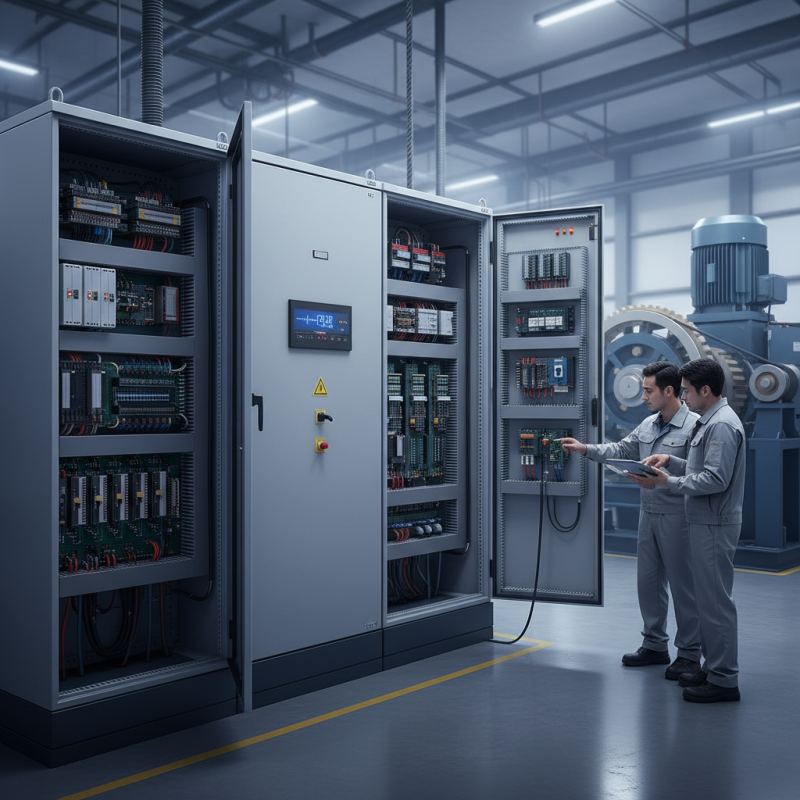
Understanding the basics of frequency converters is essential for making informed decisions. Frequency converters are devices that change the frequency of electrical power. They play a crucial role in various industries, enabling efficient operation of equipment such as motors and generators. According to a recent market report, the global frequency converter market is projected to grow at a CAGR of 5.6% by 2028. This growth highlights the increasing importance of these devices.
Different applications require varied frequency converter specifications. For instance, industrial settings may prioritize robustness, while renewable energy systems might focus on efficiency. A study by the International Electrotechnical Commission emphasizes that selecting the right frequency converter can enhance system performance by up to 30%. Many users, however, may overlook the specific needs of their application, which can lead to inefficiencies and increased operational costs.
Moreover, understanding technical details like input/output power ratings and load characteristics is vital. While some users may tend to ignore these specifications, doing so can result in equipment failures. A lack of knowledge about harmonics and voltage drop can lead to long-term damage. Frequency converters require careful consideration to ensure compatibility with existing systems. Just like anything in technology, imperfect choices can lead to problems down the line. Being aware of these aspects can help avoid future challenges in operation.
Types of Frequency Converters and Their Applications
Frequency converters come in various types, each designed to cater to specific applications. Among the most common are static and dynamic frequency converters. Static converters are often utilized in systems that require consistent power supply with minimal variations. They are generally more compact and easier to maintain. According to a recent industry report, static frequency converters hold about 65% of the market share due to their efficiency and reliability.
Dynamic frequency converters, on the other hand, are essential for applications that demand high power and flexibility. These converters handle fluctuations in load and are ideal for heavy machinery and industrial processes. A study by the International Journal of Electrical Engineering highlighted that dynamic converters improve operational efficiency by up to 30%, making them a preferred choice in sectors like manufacturing and renewable energy.
Another category worth exploring is the programmable frequency converter, favored for its adaptability in various systems. However, users must carefully assess their needs. Over-specifying can lead to unnecessary costs and operational challenges. Understanding the distinct features of each type is crucial for making an informed decision.
Factors to Consider When Choosing a Frequency Converter
When selecting a frequency converter, understanding your specific needs is crucial. Various factors affect your decision. First, consider the power rating required. The converter must match the motor's voltage and power to ensure efficiency. Incorrect matching can lead to overheating or underperformance.
Another factor is the type of application. Different applications, such as HVAC systems and industrial machinery, may require unique conversion features. For example, precision speed control is vital for robotics. If your application requires fine-tuned performance, opt for a converter with advanced control algorithms.
Tips: Always check the harmonic distortion levels in a frequency converter. High levels can affect equipment and power quality. Additionally, assess the cooling methods. Proper cooling prevents overheating and prolongs lifespan. Seek technical documentation to ensure reliability. Don't rush the decision. Take time to reflect on your requirements. Often, the most versatile option may not be the best for your specific application.
Why Choose the Right Frequency Converter for Your Needs? - Factors to Consider When Choosing a Frequency Converter
| Factor | Description | Importance Level |
| Power Rating | The maximum power output required for the application. | High |
| Input Voltage | Voltage level of the existing supply system. | Medium |
| Output Frequency | Frequency requirements for the equipment being powered. | High |
| Environmental Conditions | Operating temperature range and humidity levels. | Medium |
| Efficiency Rating | How effectively the converter uses power. | High |
| Harmonic Distortion | Impact on power quality and potential interference. | Medium |
| Size and Weight | Physical dimensions and portability of the converter. | Low |
| Cost | Initial investment versus long-term benefits. | High |
The Importance of Compatibility with Existing Equipment
When selecting the right frequency converter, compatibility with existing equipment is critical. A study by the International Energy Agency indicates that nearly 30% of industrial downtime stems from equipment incompatibility. This situation arises when a frequency converter cannot effectively integrate with machinery already in place.
For example, an inappropriate converter can lead to motor inefficiencies. This inefficiency can increase energy costs by up to 20%, as noted in data from the Department of Energy. Moreover, mismatched converters may cause undue wear and tear on equipment. Inadequate voltages or frequencies can strain machines, leading to premature failures and costly repairs.
Understanding the specifications of both the frequency converter and existing systems is essential. Each component in an industrial setup has unique requirements. Skipping this step can lead to operational disruptions. Professional consultations are advisable; leveraging expertise helps avoid potential pitfalls. Compatibility can significantly enhance overall performance and streamline maintenance efforts.
Future-Proofing Your Investment: Scalability and Upgradability
Choosing the right frequency converter is crucial for long-term success. Scalability and upgradability often determine the investment's lifespan. Businesses face changing demands, and your equipment must adapt. An outdated converter can lead to inefficiencies and costly upgrades. Future-proofing your investment begins with understanding your current and future needs.
Consider the anticipated growth of your operations. A converter that can scale will save you from frequent replacements. Look for features that allow easy upgrades, as technology in this field evolves rapidly. Besides, it’s essential to check compatibility with existing systems. Upgrading should not mean starting from scratch.
However, not every converter will meet future challenges. Sometimes, investing in a more advanced model may seem unnecessary. Yet, consider the consequences of obsolescence. As your business grows, the costs of retrofitting outdated systems may outweigh initial savings. Reflect on your choice carefully, focusing on long-term efficiency and adaptability.