How to Choose the Right Micro Switch for Your Project?
In the world of electronics, selecting the right components can be challenging. micro switches play a crucial role in many applications, from household appliances to industrial equipment. According to expert Robert Green, "Choosing the right micro switch can make or break your project." His insight emphasizes the importance of this decision.
Micro switches are known for their reliability and durability. They help in activating devices with minimal force. However, the variety of options available can be overwhelming. Each micro switch comes with unique specifications, such as operating force, travel distance, and lifespan. When embarking on a project, it's essential to assess your specific needs carefully.
Choosing the wrong micro switch could lead to performance issues or even project failure. Many enthusiasts overlook the details and choose based on brand or price alone. This approach can seem easy, but it often leads to regret. Understanding the intricacies of micro switches will streamline your project's success.
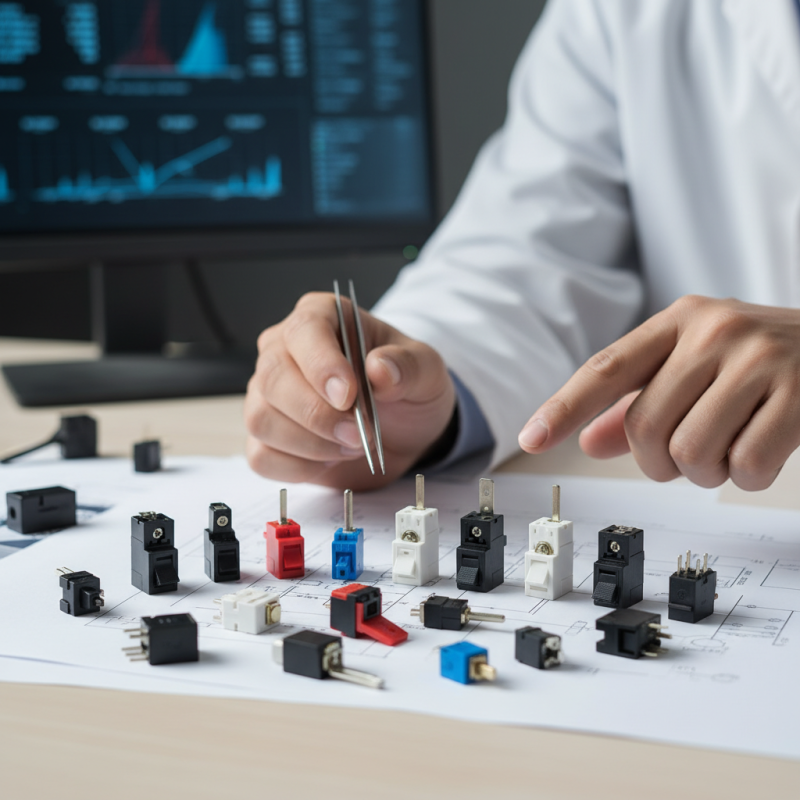
Understanding Micro Switch Basics and Functionality
Micro switches are tiny components that play a crucial role in many electronic devices. They operate based on a simple principle: when pressed, they create an electrical connection. This action is fast and reliable. Understanding their basic functionality can help you choose the right one for your project.
There are various types of micro switches available. Each type has its unique operating characteristics. Some have a lighter actuation force, while others require more pressure. This can be important based on the application. For instance, you might need a switch that can withstand heavy use. Think about the environment it will be used in, too. Extreme temperatures or moisture can affect performance. Testing different switches is crucial. It allows you to observe how they react under real conditions.
Think carefully about the terminal options as well. Some have solder terminals, while others use connectors. The choice depends on your project’s needs. Sometimes, you might select a micro switch that looks good on paper but underperforms in practice. Reflecting on previous choices can lead to better selection in the future. The more you understand about these switches, the easier it becomes to make the right decision.
Identifying Your Project Requirements and Specifications
When selecting a micro switch, understanding project requirements is crucial. Different projects demand various specifications. For instance, some may require a specific actuation force. Industry reports show that over 40% of design failures stem from mismatched component specifications. This highlights the importance of precise requirements.
Consider environmental factors in your project. Will the switch be exposed to moisture or dust? A micro switch designed for harsh environments often has an IP rating. This indicates its resistance to elements. A report by the Engineering Association found that 35% of equipment failures occur due to inadequate sealing. These details directly impact the longevity and reliability of your project.
Evaluating electrical ratings is essential as well. Different applications use different voltages and currents. Some require low power, while others handle high voltage. Micro switches can vary significantly in ratings. Choose wisely, as poor choices often lead to short circuits or device failures. Understanding your needs prevents costly mistakes and project delays.
Comparing Different Types of Micro Switches Available
When comparing different types of micro switches, it’s essential to understand the key factors that affect their performance. Mechanical micro switches are very common. They offer tactile feedback and reliability. However, they may wear out over time and need regular replacement. Limit switches are also popular. They are designed for specific applications and can handle high loads. But their rigidity can be a drawback in dynamic environments.
Another option is the subminiature switch. These are compact and suitable for tight spaces. Their small size can be an advantage, but it often comes with reduced durability. Optical switches present a modern alternative. They use light to detect position, which can be highly reliable. Yet, the complexity of their circuitry can lead to failures in harsh conditions.
Choosing the right micro switch can be tricky. Price, size, and functionality often conflict. Sometimes, you might need to compromise. Testing several options might reveal unexpected results. Don't overlook the learning process from trial and error. It's part of finding the perfect fit for your project. Each type has merits and drawbacks. Understanding these intricacies will ultimately guide your decision.
Micro Switch Types Comparison
This chart illustrates the comparison of different types of micro switches based on their common applications and actuation force. The data shows how each type is preferred for specific use cases in various projects.
Evaluating Key Features for Optimal Performance
Choosing the right micro switch requires careful consideration of key features. Sensitivity is critical. How responsive the switch is can impact your project's functionality. Options range from light to heavy activation forces. Test different resistances to find what suits your needs best.
Durability is another important factor. Some switches are rated for thousands of cycles, while others are not. Think about your application’s lifespan. A switch that wears out quickly can derail a project. Materials used in the switch construction also matter. Look for robust materials that withstand everyday use.
Size and layout of the switch can complicate your choice. A compact design may fit your project better, but might sacrifice some durability. Analyze your space requirements fully. Sometimes, it’s good to explore non-standard installations. Adjusting your design could lead to unexpected performance improvements. Make sure to prototype before finalizing your decision.
Making the Final Selection: Testing and Integration Tips
When selecting the right micro switch, testing and integration are vital. Begin by checking the switch's functionality in your specific application. Is it responsive? Does it activate smoothly? Often, the first choice might not be the best. Test a few options to see which works reliably under your conditions.
Integration can bring unexpected challenges. Ensure the switch aligns with your circuit design. You might find that it requires adjustments, like changing connection types or repositioning for accessibility. It's okay if things don't fit perfectly at first. Keep refining your design based on how the switch interacts with the overall system. This iterative process can lead to a better final product.
Document your testing results. This helps you track what works and what doesn't. If a switch fails, assess why. Was it the load? The environment? Learning from these moments can improve your next selection. A thoughtful approach leads to better integration and long-lasting performance, ensuring your project is successful.
How to Choose the Right Micro Switch for Your Project? - Making the Final Selection: Testing and Integration Tips
| Feature | Option 1 | Option 2 | Option 3 |
| Actuation Type | Momentary | Latching | Sealed |
| Contact Rating | 5A 250VAC | 10A 125VAC | 15A 250VAC |
| Operating Force | 200g | 300g | 400g |
| Operating Temperature | -10°C to 60°C | -20°C to 70°C | -30°C to 85°C |
| Mechanical Life | 1 Million Cycles | 500,000 Cycles | 2 Million Cycles |