How to Efficiently Use a Continuous Screw Pyrolysis Plant?
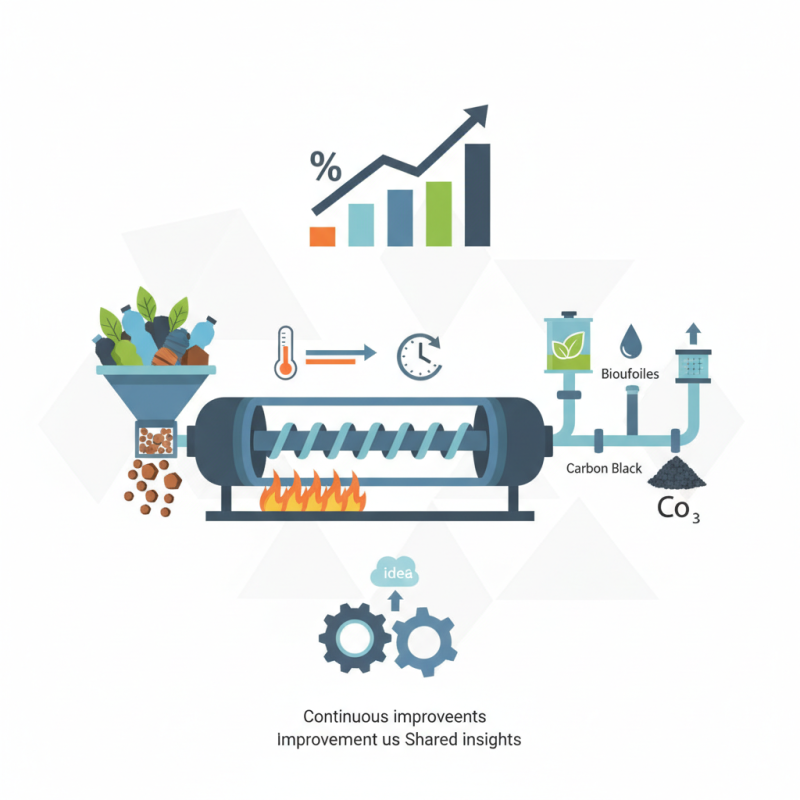
The utilization of a Continuous screw pyrolysis plant has garnered attention in the waste management sector. This technology allows for the transformation of various waste materials into valuable resources, such as biofuels and carbon black. According to a recent industry report by Global Market Insights, the market for pyrolysis plants is expected to grow at a compound annual growth rate (CAGR) of 12% from 2022 to 2030. This demonstrates the increasing demand for sustainable waste-to-energy solutions.
Dr. James Carter, a leading expert in waste conversion technologies, states, "The efficiency of a Continuous Screw Pyrolysis Plant can significantly impact resource recovery rates." Effective operation of this system relies on optimizing feedstock quality, temperature control, and residence time. Proper adjustments can enhance yield and reliability, but the process is not without its challenges. Operators must remain vigilant to avoid inefficiencies that could lead to decreased output and increased costs.
In navigating the complexities of Continuous Screw Pyrolysis, practitioners need to focus on continuous improvement. Addressing operational flaws can elevate both productivity and environmental benefits. By sharing insights and best practices within the industry, stakeholders can drive advancements in this promising technology.
Understanding the Basics of Continuous Screw Pyrolysis Technology
Continuous screw pyrolysis technology is an innovative method for converting waste into valuable products. This process involves feeding raw materials into a screw conveyor. The materials are then heated in a reactor, where thermal decomposition occurs. The design of the screw allows for a continuous flow, enhancing efficiency and output.
Operating a continuous screw pyrolysis plant requires an understanding of thermochemical processes. Maintaining optimal temperature and pressure is crucial for effective pyrolysis. Insufficient heat can lead to incomplete conversion, while excessive heat might produce unwanted byproducts. Monitoring these factors is essential for maximizing yield.
One must also consider the feedstock's characteristics. Different materials yield various outputs, such as bio-oil, char, and gas. A mismatch between feedstock and technology can lead to operational challenges. Regular equipment maintenance and process adjustments help mitigate these issues. Embracing a continuous learning approach within this field can lead to significant improvements over time.
Key Feedstocks for Maximizing Output in Continuous Screw Pyrolysis Plants
When operating a continuous screw pyrolysis plant, selecting the right feedstock is crucial. Various types of organic materials can be used. Common choices include agricultural waste, rubber, plastics, and biomass. Each type of feedstock offers different yields of bio-oil, gas, and char. Understanding the characteristics of these materials helps in optimizing the process.
Agricultural waste, such as corn stalks and rice husks, is abundant and often low-cost. They typically yield a good amount of bio-oil. However, inconsistent moisture content can lead to variable results. Rubber waste can produce quality fuel, but it may require additional processing steps. Plastics are effective but need careful sorting to avoid contamination.
While these feedstocks are promising, challenges exist. For instance, moisture levels can affect pyrolysis efficiency. Then, some feedstocks may produce excess residues, complicating the recovery process. Monitoring is essential to refine operations and improve output. Feeding variety into the system can enhance adaptability, but it may also introduce uncertainties. Balancing these elements is vital for maximizing the output in continuous screw pyrolysis plants.
Optimizing Operating Conditions for Enhanced Pyrolysis Efficiency
Optimizing operating conditions in a continuous screw pyrolysis plant is crucial for achieving high efficiency. Key factors such as temperature, residence time, and feedstock particle size can significantly influence the pyrolysis process. Maintaining an optimal temperature between 400°C to 500°C often maximizes yield. Higher temperatures can lead to gas production, while lower temperatures may favor liquid outputs.
Tips: Monitor temperature fluctuations closely. Using precise sensors can enhance your control over the process. Consider using a pre-treatment method to reduce feedstock particle size. Smaller pieces can promote more even heat distribution.
Another critical aspect is the residence time. A shorter residence time can lead to less degradation of valuable compounds. However, if it's too short, some materials may not convert effectively. Running trials can help find a suitable balance.
Tips: Use a flowchart to analyze residence time efficiently. Adjust feed rates and monitor outputs to iterate improvements. It's vital to have reliable data to track the performance of your plant regularly. Stay flexible with your operational parameters to discover the most effective strategies.
Monitoring and Analyzing System Performance in Pyrolysis Operations
In the realm of pyrolysis operations, continuous screw pyrolysis plants hold significant potential for efficiency. Monitoring system performance is critical. According to industry reports, consistent monitoring can increase output by 15%. Investing in real-time analysis tools can streamline operations and enhance product quality.
Gathering data on temperature, pressure, and feed rate is essential. These parameters directly impact the pyrolysis process. For example, a temperature variation of just 10°C can result in a 5% change in bio-oil yield. Employing sensors and advanced analytics allows for adjustments to optimize performance.
However, the complexity of these systems can lead to challenges. Misalignment in monitoring can cause inefficiencies. A recent study highlighted that 20% of pyrolysis plants encounter operational lags due to inadequate data analysis. Regularly reviewing system performance metrics ensures that these plants operate at their best. Continuous learning and adaptation are necessary for achieving reliability in pyrolysis operations.
Eco-Friendly Practices and Byproduct Management in Pyrolysis Processes
Continuous screw pyrolysis plants are gaining attention for their eco-friendly practices. These facilities convert waste into useful byproducts, such as bio-oil and char. However, managing these byproducts requires careful consideration. Effective separation and filtration techniques are essential. They ensure that the final products meet environmental standards.
Byproducts from pyrolysis processes can be valuable, but they need proper handling. Bio-oil can be used for heating or as a chemical feedstock. Char can serve as a soil conditioner. However, not all char is suitable for this. Proper testing and processing are crucial. Facilities must also measure emissions and manage residues responsibly.
The complexity of these operations often leads to challenges. Mismanagement can result in increased waste or environmental harm. Regular training for staff is vital to maintain compliance. It's important to constantly evaluate practices. Continuous improvement helps in maximizing benefits while minimizing negative impacts.