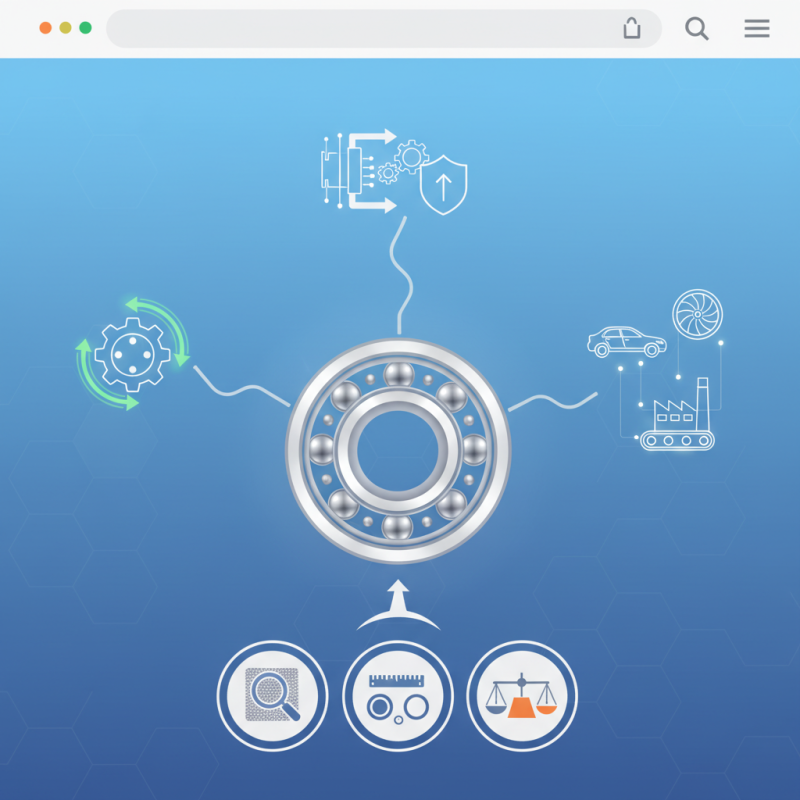
Why Are Ball Bearings Essential in Modern Machinery?
Ball Bearings are integral components in modern machinery. They reduce friction between moving parts. This reduction in friction leads to increased efficiency and durability.
In industries ranging from automotive to aerospace, ball bearings are ubiquitous. They allow for smoother operation of motors, turbines, and gear systems. Without them, machines would face higher wear and tear. This can lead to frequent breakdowns, increasing operational costs.
Despite their importance, some designs can be improved. Not every ball bearing performs optimally in all applications. It is crucial to consider material, size, and load capacity. Ignoring these factors can lead to decreased efficiency. Reflection on these aspects is essential for better machinery design.
Overview of Ball Bearings in Modern Machinery
Ball bearings play a crucial role in modern machinery. They reduce friction and support rotating or moving parts. This vital function makes machines run smoother and more efficiently. Without ball bearings, wear and tear would significantly increase. Components would heat up, leading to faster failure.
The design of ball bearings is quite simple yet effective. They consist of a series of balls placed between two rings. This allows for smoother movement in various applications, from automobiles to industrial equipment. Ball bearings can be found everywhere, often unnoticed. Yet, their absence would severely disrupt operations.
Despite their importance, not all machinery utilizes ball bearings effectively. Some designs overlook the need for quality bearings. This oversight can lead to increased costs and maintenance issues. It's essential to consider the right type of bearing for each application. Rethinking bearing choices may yield higher efficiency and performance in the long run.
The Role of Friction Reduction in Machinery Performance
Ball bearings play a crucial role in reducing friction within modern machinery. Their design allows them to facilitate smooth motion between moving parts. This friction reduction enhances efficiency and prolongs the life of equipment. According to a report by the American Society of Mechanical Engineers, a 1% decrease in friction can lead to a 5% increase in overall energy efficiency in industrial machinery.
The impact of friction on machinery performance cannot be underestimated. High friction leads to increased heat and wear, resulting in costly downtimes. For instance, a study by the International Journal of Mechanical Sciences found that reducing friction using high-quality bearings improved the lifespan of machinery components by up to 50%. However, not all ball bearings are created equal. The choice of material and design can significantly influence performance. Poor-quality bearings may initially seem cost-effective, but they can lead to greater friction and higher maintenance costs in the long run.
Despite advancements, some industries continue to face challenges with friction. Many engineers still overlook the importance of regular maintenance and bearing selection. They may choose the most economical options without considering long-term efficiency. This oversight can negate the benefits of advanced bearing technologies, impacting machinery performance overall. Addressing these issues is essential for optimizing the benefits of ball bearings in machinery.
Why Are Ball Bearings Essential in Modern Machinery? - The Role of Friction Reduction in Machinery Performance
| Type of Machinery | Ball Bearing Type | Friction Coefficient | Operating Temperature (°C) | Load Capacity (kg) |
| Electric Motor | Deep Groove Ball Bearing | 0.001 - 0.003 | 30 - 80 | 150 |
| Automotive | Angular Contact Ball Bearing | 0.003 - 0.005 | 40 - 120 | 200 |
| Industrial Equipment | Thrust Ball Bearing | 0.002 - 0.004 | 20 - 90 | 300 |
| Aerospace | Miniature Ball Bearing | 0.001 - 0.002 | -50 - 150 | 50 |
Types of Ball Bearings and Their Applications
Ball bearings play a critical role in various machinery applications. They allow for smooth rotation and reduce friction. This contributes to the efficiency and longevity of equipment. In 2022, the global ball bearing market was valued at approximately $21 billion, with projected growth at a CAGR of 6.5% through 2030.
There are different types of ball bearings available, each serving specific purposes. For instance, deep groove ball bearings are commonly used in electric motors and conveyor systems. Their design accommodates radial and axial loads effectively. Ceramic ball bearings, while more expensive, offer superior performance in high-speed applications. They are often found in aerospace and medical devices.
However, some applications may not fully utilize their potential. Users sometimes overlook maintenance. This can lead to premature failure. Despite having a long service life, improper lubrication can cause overheating and wear. Reflecting on these points can help improve efficiency in operations and equipment lifespan.
Benefits of Using Ball Bearings in Industrial Equipment
Ball bearings play a crucial role in the functionality of modern industrial equipment. They reduce friction between moving parts, which improves efficiency. According to a report by the International Bearing Industry Association, ball bearings can increase equipment efficiency by up to 30%. This reduction in friction not only enhances performance but also extends the lifespan of machinery.
Additionally, ball bearings contribute to smoother operation in heavy machinery. They are designed to carry heavy loads while rotating at high speeds. The same report suggests that the use of quality ball bearings can decrease energy consumption rates by around 15%. However, it's important to recognize that not all ball bearings are created equal. Poor quality bearings may lead to failures and increased downtime, causing potential loss in productivity.
Environmental factors also play a significant role in the lifespan of ball bearings. Dust, moisture, and heat can degrade their performance. Regular maintenance is essential to avoid costly repairs. A proactive approach can prevent minor issues from escalating. Understanding these variables is vital for effective machine operation.
Maintenance and Durability Considerations for Ball Bearings
Ball bearings play a crucial role in the functionality of modern machinery. Their design allows for smooth movement, reducing friction and wear. This extends the lifespan of components. However, maintenance is vital to ensure their durability. Regular inspection can identify issues early. According to a 2021 report by the American Society of Mechanical Engineers, 30% of mechanical failures are due to bearing failures.
One common challenge is contamination. Dirt, moisture, and other particles can affect performance. Implementing proper sealing and lubrication can help mitigate this issue. A clean environment boosts efficiency. It's recommended to check and replace lubricants based on manufacturer guidelines. Regular maintenance can prevent costly repairs down the line.
Tips for maintenance: Always monitor temperature and sound. An unusual rise in temperature or noise can signify a problem. Simple checks can make a huge difference. Additionally, consider using advanced materials that resist wear and reduce the need for frequent replacements. Keeping accurate maintenance logs helps in tracking performance trends.
Ball Bearings: Maintenance and Durability Considerations
This chart displays the average maintenance costs associated with ball bearings over different operational hours. As operational time increases, the maintenance costs typically rise, highlighting the importance of regular maintenance for ensuring the durability and efficiency of ball bearings in modern machinery.