What Are Ferrous Sulfate Pills Used For?
Ferrous Sulfate Pills are used to prevent or treat iron deficiency, which can reduce the body’s ability to make healthy red blood cells. A clinician may recommend them when blood tests show low iron or anemia, or when a person’s needs rise, such as during pregnancy. They provide iron for the body to use in hemoglobin, the protein that carries oxygen. They are not a general energy booster. Tiredness can have many causes.
The right choice depends on the reason for low iron and a person’s health history. Too much iron can be harmful, so taking these pills without guidance may miss an underlying cause or create new problems. Small details matter. Some medicines and foods can affect absorption, and a clinician or pharmacist can explain how to take them safely. Common effects include nausea, constipation, and darker stools. These can be uncomfortable. Severe pain, vomiting, or stools that look tarry should be discussed promptly with a healthcare professional. Keep the pills securely away from children, since accidental ingestion can be dangerous. This guide explains what Ferrous Sulfate Pills are used for, what to expect, and when to seek advice. Iron treatment is often straightforward, but not always effortless; follow-up tests may be needed to see whether it is working.
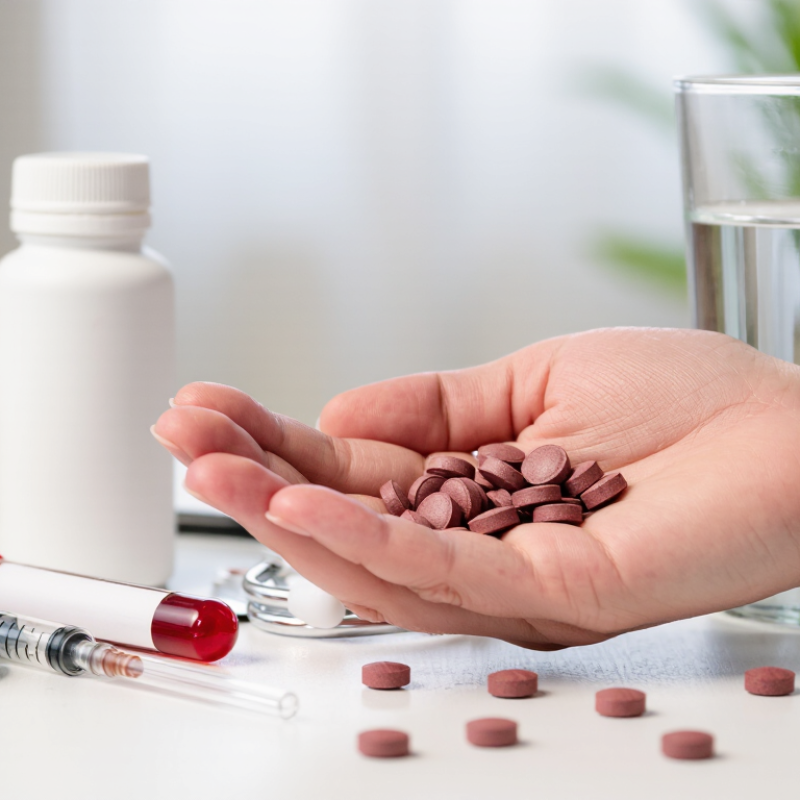
What Ferrous Sulfate Pills Are
Ferrous sulfate pills are oral supplements made from an iron salt: iron combined with sulfate. They supply iron the body needs to make hemoglobin, the protein that carries oxygen in red blood cells. A common tablet labeled 325 mg ferrous sulfate provides about 65 mg of elemental iron, though formulations can differ. The label’s elemental-iron amount is the useful number to check. That detail matters.
These pills are often used to treat or prevent iron deficiency, but anemia does not always mean low iron. The World Health Organization estimated that anemia affected about 30% of women aged 15–49 worldwide in 2019; its causes vary. The NIH Office of Dietary Supplements also notes that iron supplements come in different forms and doses. Ferrous sulfate may cause nausea, constipation, or dark stools, and taking more iron than advised can be harmful. Not always a simple fix.
Tips: Read the elemental-iron amount, not just the tablet’s total weight. Ask a healthcare professional whether testing is needed before starting, especially for children, pregnancy, or ongoing stomach problems. Keep pills away from children; accidental overdose can be dangerous. I find the naming confusing, too, so the label deserves a careful second look.
What Are Ferrous Sulfate Pills Used For?
Ferrous sulfate pills are used to prevent or treat iron deficiency. This chart compares daily recommended iron intake with the approximate elemental iron in one common ferrous sulfate tablet.
A common 325 mg ferrous sulfate tablet provides about 65 mg of elemental iron. This is not a suggested dose: treatment amounts vary, so follow a healthcare professional’s advice. Daily recommendations shown are for adults.
How Ferrous Sulfate Supports the Body
Ferrous sulfate provides iron, a mineral the body needs to make hemoglobin. Hemoglobin carries oxygen in red blood cells. When iron levels are low, the body may make fewer healthy red blood cells, which can contribute to iron-deficiency anemia. A person might notice fatigue while climbing stairs, weakness, or difficulty concentrating. These symptoms have many possible causes, so they do not confirm iron deficiency on their own.
With an appropriate dose, ferrous sulfate can help restore iron stores and support red blood cell production. Improvement is gradual, not immediate. A clinician may recommend blood tests and follow-up to check whether treatment is working. Taking more than directed is not a shortcut; too much iron can be harmful. Stomach discomfort, constipation, and dark stools can occur. Dark stools are common, but severe pain or unusual symptoms deserve medical advice. Tea, coffee, and calcium can reduce iron absorption when taken around the same time. Ask a healthcare professional about timing, especially if you take other medicines. Keep iron tablets out of children’s reach. That detail matters.
What Are Ferrous Sulfate Pills Used For? - How Ferrous Sulfate Supports the Body | Topic | How It Supports the Body | Useful Facts |
| Treating iron deficiency | Ferrous sulfate is an oral iron supplement commonly used to replenish low iron stores and treat iron-deficiency anemia. | Iron deficiency should be confirmed and its cause assessed by a healthcare professional, since blood loss or another condition may need treatment. |
| Making hemoglobin | Iron is needed to make hemoglobin, the protein in red blood cells that carries oxygen from the lungs to the body’s tissues. | When iron deficiency is corrected, hemoglobin may rise over time; improvement is monitored with blood tests when appropriate. |
| Supporting myoglobin | Iron also forms part of myoglobin, a protein that helps store and release oxygen in muscles. | Iron supplements are not a general energy booster for people who already have adequate iron levels. |
| Who may be prescribed it | It may be recommended for people with iron deficiency, including some people with increased iron needs or ongoing iron loss. | Pregnancy, heavy menstrual bleeding, certain diets, and digestive conditions can affect iron needs or levels. Supplement use should be guided by a clinician. |
| How to take it | Follow the product instructions or the dose provided by a healthcare professional. The amount of elemental iron varies between products. | Iron is generally absorbed better on an empty stomach, but taking it with food may reduce stomach upset. Do not change the dose without advice. |
| Foods and medicines | Some foods and medicines can reduce iron absorption, including calcium supplements, antacids, tea, and coffee taken around the same time. | Iron can interact with medicines such as levothyroxine and some antibiotics. Ask a pharmacist or clinician how far apart to take them. |
| Common side effects | Possible effects include nausea, abdominal discomfort, constipation, diarrhea, and dark-colored stools. | Dark stools are common with oral iron. Seek medical advice for severe symptoms, suspected bleeding, or side effects that do not improve. |
| Important safety note | Too much iron can be harmful, and accidental overdose can be life-threatening, especially for children. | Keep iron pills out of children’s reach. If a child may have swallowed them, contact emergency services or a poison center immediately. |
Medical Uses of Ferrous Sulfate Pills
Ferrous sulfate pills provide iron, a mineral used to make hemoglobin in red blood cells. Clinicians commonly prescribe them for iron-deficiency anemia, confirmed through blood tests such as a complete blood count and ferritin measurement. They may also be used to restore iron after blood loss or during pregnancy when a clinician identifies a need. The scale is substantial: WHO’s 2023 estimates, based on 2019 data, found anemia in about 30% of women aged 15–49 and 37% of pregnant women worldwide. These figures describe anemia, not iron deficiency alone; testing matters.
Treatment aims to improve iron levels and replenish the body’s stores, not just raise one lab result. The American Gastroenterological Association’s 2024 clinical update says oral iron need not be taken more than once daily; alternate-day dosing may be easier to tolerate for some people. Ferrous sulfate can cause nausea, constipation, or dark stools. Dark stools are common, but report unusual symptoms to a clinician. Keep pills away from children. Iron is not a general energy supplement, and taking it without a demonstrated need can be harmful. That distinction is easy to overlook. A clinician can advise on dose, timing, interactions, and follow-up blood tests.
Who May Need Ferrous Sulfate Treatment
Ferrous sulfate is an iron medicine used when someone has iron deficiency, with or without anemia. A clinician may recommend it after tests show low iron. People who may need treatment include those with heavy menstrual bleeding, pregnancy-related iron needs, recent blood loss, a low-iron diet, or conditions that affect iron absorption. The reason matters. The right treatment depends on test results and a person’s health.
Tiredness, weakness, pale skin, or shortness of breath can occur with iron deficiency, but these symptoms have other possible causes. Testing helps avoid treating the wrong problem. It is easy to assume fatigue means low iron; that assumption can miss something important. A clinician may check blood counts and iron levels, then decide whether supplements are appropriate and how long to use them. Children should only take iron under adult supervision, since too much can be dangerous.
Tips: Follow the label or clinician’s directions. Iron may cause constipation, nausea, or darker stools. Keep it away from young children. Ask a pharmacist about timing if you take other medicines or calcium supplements. Don’t start it just because you feel tired.
Dosage, Side Effects, and Safety Precautions
Ferrous sulfate pills provide iron to treat or prevent iron deficiency, but the correct dose depends on the amount of elemental iron in each tablet and your health needs. Follow the label or your clinician’s instructions; tablet strengths vary, so do not assume one pill is right for everyone. Take it with water. An empty stomach may help absorption, but taking it with a little food can ease nausea. The right schedule is not always obvious. Ask a pharmacist or clinician if instructions conflict.
Common side effects include constipation, nausea, stomach discomfort, and dark stools. Dark stools are often expected, but seek medical advice for tar-like stools, severe pain, vomiting, or signs of an allergic reaction. Iron can interact with calcium, antacids, tea, coffee, and some medicines, including certain antibiotics and thyroid medication. Ask how far apart to take them; timing matters. Keep tablets securely away from children. An accidental overdose can be life-threatening, so get emergency help or contact poison control right away if a child may have swallowed any. Don’t increase the dose to make up for a missed pill.