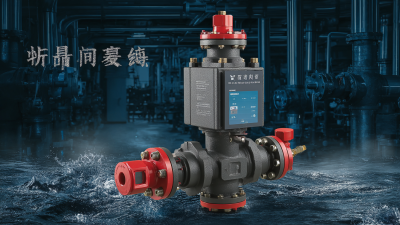
What Are Fire Protection Valves and How Do They Work?
Fire Protection Valves play a crucial role in safeguarding lives and assets from fire hazards. According to the National Fire Protection Association (NFPA), a significant percentage of fire-related fatalities could be prevented with effective fire suppression systems. These valves are essential components in fire protection systems, controlling water flow when a fire is detected. Industry expert Dr. Emily Carter emphasized this aspect, stating, "The effectiveness of a fire suppression system hinges on reliable Fire Protection Valves."
Understanding how Fire Protection Valves operate is vital for professionals in the field. Their design ensures that water is quickly available during emergencies, minimizing potential damage. However, maintenance is often overlooked. Regular checks are necessary to ensure these valves function correctly. Improper maintenance could lead to catastrophic failures during urgent situations.
Multiple reports highlight that many fire incidents occur due to malfunctioning equipment. This underlines the importance of both installation and routine inspections. Awareness of these factors can help mitigate risks. Fire Protection Valves are not just mechanical devices; they represent a commitment to safety and preparedness.
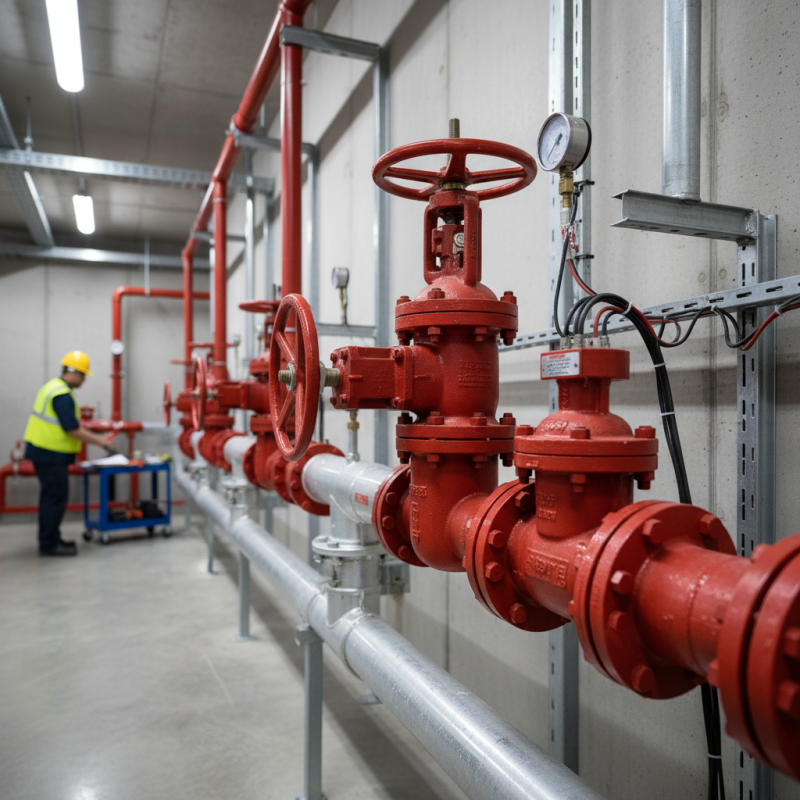
What Are Fire Protection Valves?
Fire protection valves are crucial components in fire safety systems. These devices control the flow of water in fire suppression systems, ensuring that water is available where it is needed most during an emergency. The valves automatically open or close based on specific conditions, like heat from a fire. They help protect lives and property by controlling fire hazards effectively.
Fire protection valves come in various types. Some are used in sprinkler systems, while others work with standpipe systems. They are often equipped with sensors that detect temperature changes. When a fire is detected, these sensors signal the valve to open, allowing water to flow immediately. This quick response is vital in minimizing damage.
However, not all systems are perfect. Regular maintenance is essential to keep the valves functioning properly. Sometimes, valves may not open due to rust or mechanical failure. It's important to check these systems routinely. Investing time in upkeep is key to fire safety. Small oversights can lead to significant consequences during emergencies.
What Are Fire Protection Valves and How Do They Work?
| Dimension |
Details |
| Function |
Control the flow of water in fire protection systems. |
| Types |
Ball valves, gate valves, butterfly valves. |
| Common Materials |
Brass, stainless steel, ductile iron. |
| Operating Mechanism |
Manually operated, automatic, or remote-controlled. |
| Maintenance |
Regular inspections, testing for leaks, and operational checks. |
| Standards and Compliance |
Must comply with local fire codes and industry standards. |
| Importance |
Critical for ensuring water flow in fire emergencies. |
The Importance of Fire Protection Valves in Safety Systems
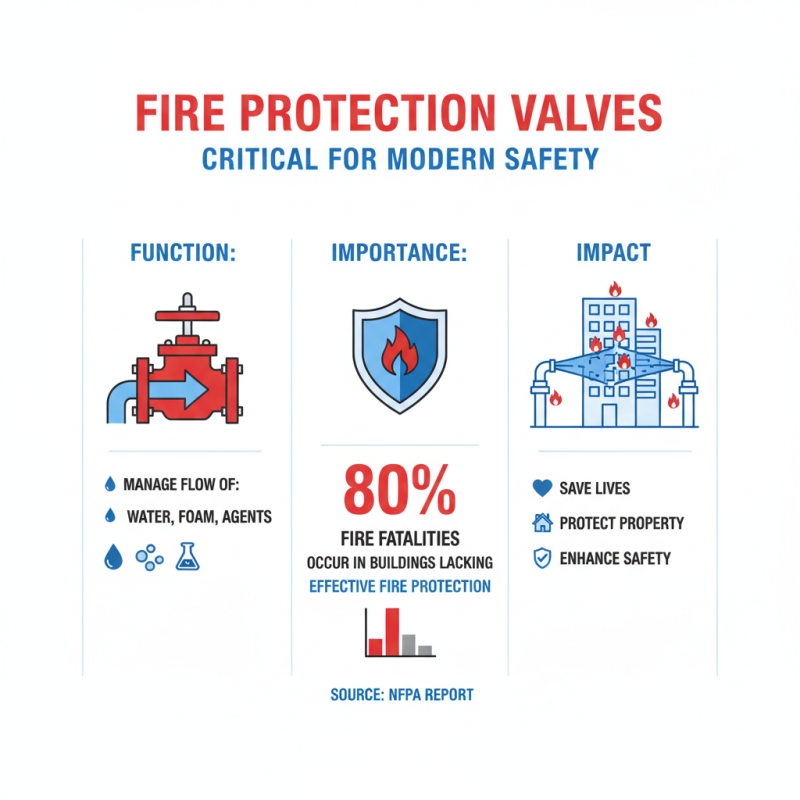
Fire protection valves are critical components in modern safety systems. They help manage the flow of water, foam, or other fire suppression agents. According to a report by the National Fire Protection Association (NFPA), nearly 80% of fire-related fatalities occur in properties lacking effective fire protection. This statistic underscores the importance of incorporating fire protection valves in buildings.
These valves function by automatically activating in response to fire detection systems. They direct extinguishing agents precisely where needed. For instance, in commercial settings, a properly installed valve can reduce water usage by 30%. This efficiency not only conserves resources but can also minimize damage during a fire. However, many systems remain outdated. A significant number of buildings still operate without modern fire protection measures.
Regular maintenance is crucial for ensuring these valves work effectively. A report from the Fire Protection Research Foundation highlights that up to 40% of fire protection systems fail due to neglect. This raises concerns about safety in older infrastructures. Proper training and awareness of these systems can be overlooked, leading to tragic consequences. Investing in fire protection valves and their upkeep is a matter of life and safety.
How Fire Protection Valves Function Mechanically
Fire protection valves are critical in safeguarding structures from fire hazards. These valves play a vital role in managing the flow of fire suppression agents, such as water or foam. They respond to specific conditions, typically triggered by heat or smoke, to activate the fire protection system efficiently.
Mechanically, fire protection valves operate using a series of components that interact precisely. When activated, a heat-sensitive element detects a temperature increase. This causes the valve to open, allowing the suppression agent to flow through. According to industry reports, these systems can reduce fire damage by up to 80% when employed correctly. However, if the valve malfunctions, the consequences can be dire. Inadequate maintenance or poor installation can hinder their function, leaving properties vulnerable.
It's essential to understand the limitations of these systems as well. They are not foolproof. Factors such as environmental conditions and mechanical wear can affect performance. Regular inspections are necessary. The National Fire Protection Association suggests semi-annual checks to ensure functionality. Investing time in maintenance can significantly enhance fire protection effectiveness, protecting both life and property.
Types of Fire Protection Valves and Their Applications
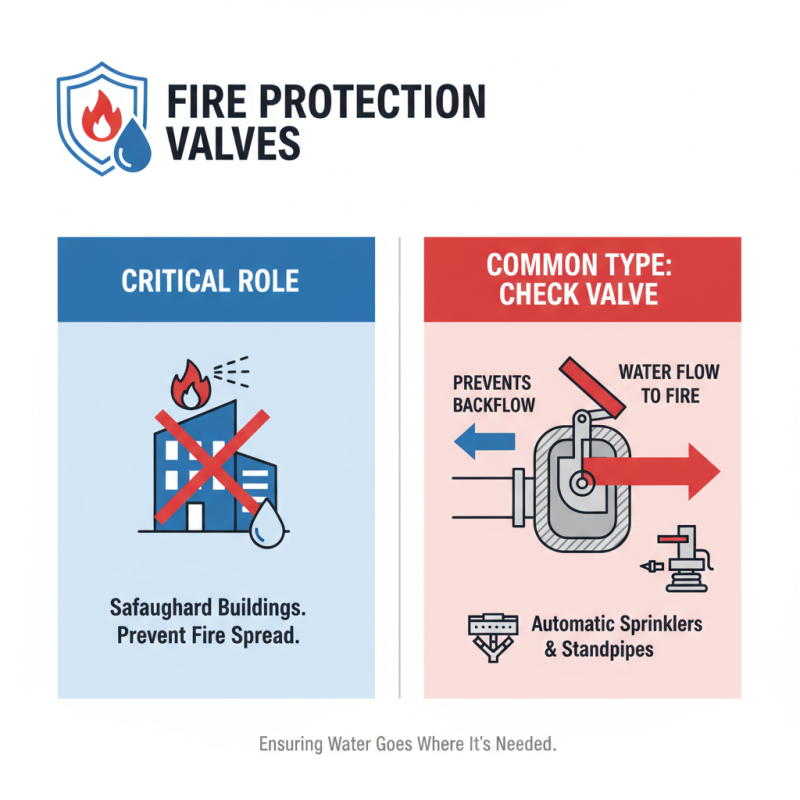
Fire protection valves play a critical role in safeguarding buildings from fire hazards. There are several types of fire protection valves, each serving unique purposes. One common type is the check valve, which prevents backflow in water-based fire suppression systems. These valves ensure that water flows toward the fire while blocking any reverse movement. They can be found in both automatic sprinkler systems and standpipes.
Another essential type is the gate valve. Usually, these valves are used for controlling the water supply to fire protection systems. They provide an easy way to shut off or open water flow when necessary. However, gate valves can be prone to corrosion if not regularly maintained. Regular checks are vital for their functionality.
Lastly, deluge valves are specifically designed for deluge systems. They act quickly when a fire is detected, releasing water over a wide area. Timely inspections are critical for deluge valves to ensure they respond appropriately in emergencies. Remember, neglecting maintenance can lead to failures at crucial moments, such as during a fire event.
Maintenance and Inspection of Fire Protection Valves
Regular maintenance and inspection of fire protection valves are crucial to ensure their optimal functioning. These valves play a vital role in controlling the flow of water during a fire. A malfunctioning valve can lead to severe consequences, including property damage and loss of life. Inspecting valves should be done at least once a year, but more frequent checks are advised in high-risk areas.
Tips for maintenance: Check for leaks or corrosion. Look for any visible signs of wear. Ensure the valve opens and closes smoothly. These small actions can prevent bigger problems in the future. It is also essential to keep the area around valves clear. Obstacles can hinder access during an emergency.
Inspections should not be a last-minute task. Create a checklist to track each valve’s condition. Document any irregularities found. If issues arise, prioritize repairs promptly. Engaging a professional can offer peace of mind. However, remember that relying solely on professionals may not always be enough. Regular self-checks can make a significant difference.
Fire Protection Valves Inspection and Maintenance Statistics