Pressure Reducing
Pressure Sustaining / Pressure Relief
Flow Control valves
Float Valves - Level Control
Electrically Actuated Valves
Pressure Modulation - Remote Control
Altitude Valves - Level Control
Burst Control Valves
Pump Control
CLA-VAL "HYTROL" Main Valve
Valve Controllers and Data Loggers
Air Valves
Choosing Check Valves for global projects requires more than comparing prices or connection sizes. Buyers must understand how the valve will behave in real service. Fluid type, pressure, temperature, flow direction, installation position, and maintenance access all matter. A valve that performs well on a clean-water line may fail quickly in abrasive slurry. Small details can become expensive problems.
Philip L. Skousen, author of Valve Handbook, emphasizes, “Valve selection must begin with the service conditions, not the valve catalog.” This principle remains practical for international purchasing teams. Buyers should review cracking pressure, pressure class, body material, seat design, and allowable flow velocity. They should also request inspection records, test reports, material certificates, and clear dimensional drawings. Documentation is not decoration. It helps engineers compare suppliers across regions.
The right Check Valves should prevent reverse flow without creating excessive pressure loss or water hammer. Swing, lift, wafer, dual-plate, and spring-loaded designs each suit different systems. Installation space may decide the choice. So may spare-parts availability. A lower purchase price can hide higher maintenance costs, especially when seals or discs are difficult to replace. I have seen specifications focus heavily on size while overlooking backflow speed and pipeline vibration. That is a costly oversight.
Global buyers should question assumptions. Do not trust a familiar design blindly. Confirm standards, testing scope, coating requirements, and operating data with the manufacturer. The strongest decision combines engineering evidence, supplier experience, and honest risk review. Some uncertainty will remain. Good procurement makes it visible before shipment.
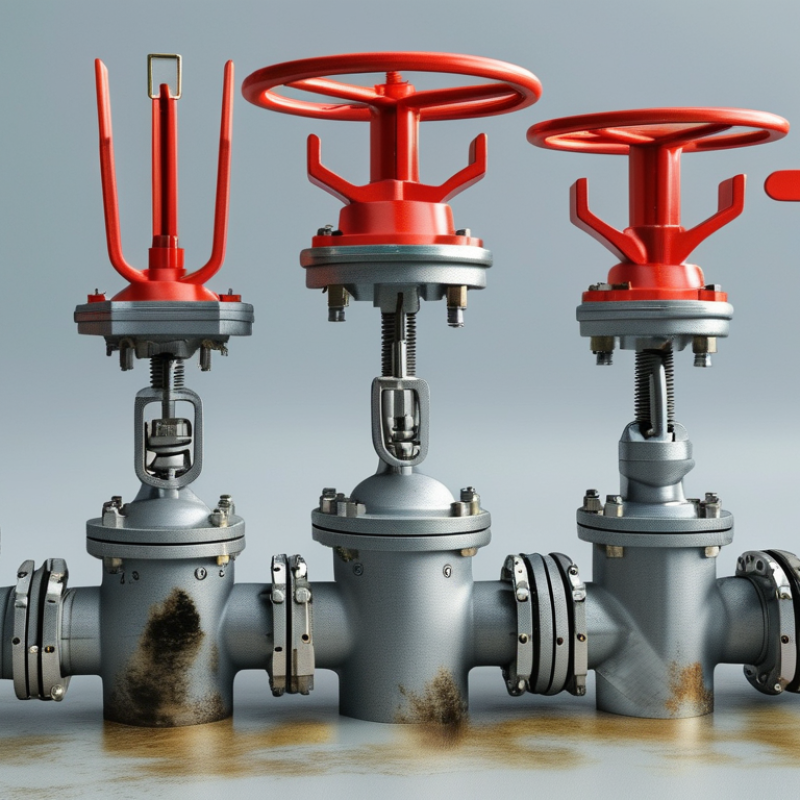
A check valve allows flow in one direction and blocks reverse movement. This simple function protects pumps, compressors, filters, and pipelines from backflow damage. It can also help maintain system pressure and prevent contamination between process stages. A perfect choice does not exist. The correct valve depends on the fluid, pressure, temperature, flow speed, and installation position.
Swing check valves suit clean liquids with moderate flow changes. Lift and spring-loaded check valves respond faster, making them useful near pumps and compressors. Wafer dual-plate valves save space in large pipelines. Ball check valves handle some viscous fluids, but solids may obstruct movement. Diaphragm designs can support sanitary or chemically sensitive applications. The U.S. Department of Energy reports that compressed-air leaks may waste 20–30% of compressor output, according to its Improving Compressed Air System Performance sourcebook. A leaking or poorly selected check valve can add to that loss.
Global buyers should verify cracking pressure, pressure-drop data, seat material, and reverse-flow performance. Ask for test records based on recognized standards, such as API 598 or ISO 5208. Water hammer deserves special attention. Fast-closing valves may reduce reverse flow but create damaging pressure spikes. Installation details matter, too. A valve installed backward is useless. Field teams sometimes select by pipe size alone, which is a costly shortcut. Recheck the actual fluid and operating cycle before approval.
Check Valve Functions and Common Types
Check valves automatically prevent reverse flow without external control. The chart compares common valve types using a qualitative 1–5 selection profile: higher scores indicate stronger suitability for the listed characteristic. Actual performance depends on pressure, temperature, fluid properties, flow velocity, installation orientation, and applicable standards.
Choosing a check valve starts with the fluid, not the price or connection size. The operating fluid decides which body, disc, spring, and seal materials can survive.
Clean water often suits stainless steel, bronze, or suitable engineered plastics. However, saltwater can attack ordinary metals through chloride corrosion. In that service, corrosion-resistant alloys or reinforced plastics may offer better durability. Water quality also matters. Sand, scale, and suspended solids can damage sealing surfaces quickly.
Oil service requires careful elastomer selection. Nitrile seals can perform well with many petroleum oils, while fluorocarbon compounds may suit higher temperatures. Yet compatibility depends on the exact oil and additives. Do not assume that one seal works for every hydraulic fluid. Small details matter.
Aggressive chemicals require a written compatibility review. Polytetrafluoroethylene can resist many chemicals, but it may deform under constant pressure or high heat. For hot steam, some rubber seals lose strength, while metal-to-metal designs may be more appropriate. Gas applications add another concern: leakage control and rapid pressure changes.
I have seen material choices fail because buyers checked only the fluid name. That approach is too simple. Ask for concentration, temperature, pressure, flow direction, and cleaning chemicals. Request test data for the complete valve assembly, not only the body material. A sample inspection under real operating conditions can reveal problems that catalog tables miss. Procurement documents should also reference applicable testing and safety standards for the installation region.
| Operating Fluid | Typical Service Conditions | Recommended Body Material | Recommended Internal or Trim Materials | Preferred Seat or Seal Material | Main Compatibility Considerations | Materials to Use with Caution | Suitable Check Valve Types |
|---|---|---|---|---|---|---|---|
| Clean Water | Ambient to moderate temperature; low solids content; potable or general industrial water | Stainless steel, ductile iron, or bronze depending on pressure and corrosion requirements | Stainless steel spring and disc; bronze trim may be suitable for selected low-corrosion applications | EPDM for water service; PTFE where a wider chemical and temperature range is required | EPDM is generally well suited to water and many dilute aqueous solutions. Confirm drinking-water approval when required by the installation country. | Nitrile rubber is less suitable for hot water and strong oxidizing environments. | Spring-loaded inline, wafer butterfly, swing, or dual-plate check valve |
| Seawater and Brackish Water | High chloride concentration; marine, desalination, or coastal installations | Duplex stainless steel, super duplex stainless steel, nickel-aluminum bronze, or suitably lined materials | Duplex or super duplex stainless steel; non-metallic components should be selected for chloride exposure | EPDM, PTFE, or other seawater-compatible engineered elastomers | Chlorides can cause pitting and crevice corrosion in unsuitable stainless steels. Avoid stagnant zones and verify resistance for the actual chloride level and temperature. | Standard carbon steel and many unalloyed stainless steels require protection or may suffer rapid corrosion. | Wafer butterfly, dual-plate, or corrosion-resistant swing check valve |
| Oil and Hydraulic Fluid | Mineral oil, petroleum-based lubricants, or hydraulic systems; pressure can be high | Carbon steel, stainless steel, or ductile iron selected for pressure, temperature, and fluid chemistry | Stainless steel or hardened alloy steel for wear-prone parts; material selection should reflect pressure cycling | Nitrile rubber (NBR) is commonly used for mineral-oil service; FKM may be preferred at higher temperatures | Seal compatibility depends on the base oil, additives, temperature, and pressure. Check swelling, hardening, and decompression resistance. | EPDM is generally unsuitable for petroleum oils and many hydrocarbon-based fluids. | Spring-loaded inline, piston, lift, or pilot-operated check valve |
| Compressed Air | Dry or lubricated air; intermittent or continuous pneumatic service | Brass, aluminum, carbon steel, or stainless steel according to pressure and corrosion conditions | Stainless steel, brass, or engineered polymer components for compact low-pressure assemblies | NBR is common for general pneumatic service; FKM is used when higher temperature or oil resistance is needed | Control cracking pressure carefully to avoid unnecessary pressure loss. Remove moisture and particulates where corrosion or sticking could occur. | Elastomer selection should be reviewed for compressor oil, ozone exposure, and operating temperature. | Inline spring, lift, or pilot-operated check valve |
| Steam and Hot Water | Saturated or superheated steam; elevated temperature and pressure | Carbon steel, alloy steel, or stainless steel with a temperature-rated pressure design | Stainless steel, alloy steel, or hardened metal trim; avoid components with inadequate temperature ratings | Metal-to-metal seating or graphite-based packing where appropriate; elastomeric seats may be temperature-limited | Use pressure-temperature ratings for the complete valve, not only the body. Thermal expansion, water hammer, and condensate must be considered. | Many standard rubber seats, including general-purpose NBR, are unsuitable for high-temperature steam. | Lift, piston, swing, or bolted-cover check valve designed for steam service |
| Natural Gas and Dry Hydrocarbon Gas | Gas transmission, distribution, process, or burner systems; flammable service | Carbon steel, stainless steel, or low-temperature carbon steel where required | Stainless steel or alloy steel trim; use certified materials for sour-gas or low-temperature service | FKM, PTFE, or metal seat depending on temperature, pressure, gas composition, and emissions requirements | Confirm gas-tightness, fire-safe requirements, low-temperature toughness, and compliance with applicable pipeline or pressure-equipment standards. | Material suitability can change substantially in wet gas, sour gas, or gas containing aromatic hydrocarbons. | Axial-flow, spring-loaded inline, wafer, or dual-plate check valve |
| Oxygen | High-purity gas or liquid oxygen; stringent cleanliness requirements | Cleaned brass, copper alloys, stainless steel, or other oxygen-compatible materials approved for the service | Oxygen-cleaned stainless steel or compatible non-sparking materials; avoid contamination from oils and greases | PTFE or specifically qualified oxygen-service seals; verify ignition and compatibility data | Non-metallic materials must be evaluated for ignition, combustion, and pressure effects. Components require oxygen cleaning and controlled handling. | Oil, grease, contaminated components, and unqualified elastomers can create a serious fire or ignition hazard. | Spring-loaded inline or lift check valve with documented oxygen-service preparation |
| Acids and Alkalis | Concentration, temperature, and oxidizing strength vary widely | PTFE-lined steel, corrosion-resistant stainless steel, alloy materials, or reinforced thermoplastics selected by chemical data | PTFE, ceramic, titanium, or corrosion-resistant alloy trim as required by the specific chemical | PTFE or chemically compatible elastomer; compatibility must be confirmed for concentration and temperature | There is no universal “chemical-resistant” material. Use verified corrosion tables and consider permeation, stress cracking, and erosion. | Carbon steel, brass, and standard stainless steel may fail quickly in certain acid or alkaline services. | Diaphragm, ball, spring-loaded inline, or lined check valve |
| Slurries and Fluids with Suspended Solids | Abrasive or non-abrasive particles; variable viscosity; possible settling | Ductile iron, carbon steel, abrasion-resistant alloy, or lined construction | Hardened alloy, ceramic, abrasion-resistant elastomer, or replaceable wear components | Resilient elastomer seat for sealing around particles, or metal seat for severe abrasion and temperature | Use a flow path that reduces clogging and select a valve with accessible wear parts. Check settling velocity and minimum flow requirements. | Small passages and delicate springs may plug or wear rapidly when solids concentration is high. | Ball, diaphragm, pinch-style, or full-port swing check valve |
| Food, Beverage, and Hygienic Liquids | Water-based products, cleaning solutions, and sanitary process fluids | Hygienic stainless steel with smooth, cleanable internal surfaces | Stainless steel trim with crevice-minimizing geometry and documented surface finish | EPDM, PTFE, or FKM selected according to product and cleaning chemicals; use applicable food-contact grades | Prioritize drainability, clean-in-place capability, low dead volume, surface finish, and required hygienic certifications. | Rough cast surfaces, trapped cavities, and unapproved seal materials can compromise sanitation. | Sanitary spring, diaphragm, or hygienic ball check valve |
| Refrigerants | Vapor or liquid refrigerant; low temperature and pressure cycling may occur | Copper alloys, carbon steel, stainless steel, or materials specifically rated for the refrigerant and temperature | Stainless steel or compatible alloy trim; consider low-temperature toughness and lubricant compatibility | PTFE, FKM, or other refrigerant-qualified seal materials | Verify compatibility with the refrigerant, refrigeration oil, pressure, and minimum design temperature. Account for swelling and permeation. | Seal materials suitable for water or air may not withstand refrigerant and refrigeration-oil combinations. | Spring-loaded inline, lift, or piston check valve |
Selection note: Final material selection should be confirmed against the actual fluid composition, concentration, pressure, temperature, flow velocity, cleanliness requirements, applicable standards, and valve manufacturer compatibility data.
How to Choose Check Valves for Global Buyers?
Select the right pressure, temperature, and flow ratings before comparing materials or connection sizes. A check valve must withstand the system’s maximum working pressure, including short pressure surges during pump startup. Do not size it by pipe diameter alone. A 50-millimeter line can require different valve internals under clean water, viscous oil, or compressed gas. Check the cracking pressure, pressure drop, and expected flow range together. Excessive velocity may cause noise, vibration, and premature seat wear. I have seen projects fail because the normal pressure looked safe, while shutdown pressure was ignored. That shortcut is tempting.
Temperature changes the rating. Metal strength, elastomer flexibility, and seal performance can shift significantly at high or low temperatures. Always compare the valve rating with the actual fluid temperature, not the surrounding room temperature. Ask for pressure-temperature charts and test records when operating conditions vary. For global purchasing, confirm units clearly: bar and psi are not interchangeable without conversion. Flow data should include the medium, density, viscosity, and target pressure loss. A small pressure drop matters in long pipelines. Sometimes, engineers specify a generous flow margin, but too much margin can reduce stable closing performance. Review the assumptions again. Also verify installation direction, reverse-flow requirements, inspection documents, and material traceability before approval.
Global buyers should evaluate installation conditions before selecting a check valve. A technically correct valve can still fail when installed poorly. Confirm the medium, temperature, pressure, pipe diameter, flow direction, and mounting position. Swing valves need enough clearance for disc movement. Lift and wafer designs may require stricter alignment. A short, straight pipe section can reduce turbulence and unwanted disc chatter.
Water hammer deserves serious attention. The U.S. Department of Energy’s Pumping Systems Sourcebook reports that pumping systems can represent 25–50% of industrial electricity use. Poorly selected valves may increase pressure losses and operating costs. In practice, engineers should check cracking pressure, closing speed, pressure drop, and available installation space. That small pressure drop matters.
Maintenance planning should begin before purchase. Specify inspection access, replaceable seats, local spare parts, and simple isolation points. Record valve position, service conditions, inspection dates, and failure causes. ISO 14224 recommends structured equipment data for reliability and maintenance analysis. OREDA reliability data also shows why consistent failure records matter in safety-critical industries. However, generic failure rates may not match your process. That assumption can fail. A clean-water valve and a slurry valve face very different wear patterns. Review manufacturer test certificates, pressure-test requirements, and applicable API or ASME standards. Then question the original selection after real operating data becomes available.
Quality should be tested, not assumed. The U.S. EPA’s equipment-leak protocol identifies valves as responsible for roughly 60% of fugitive emissions in petroleum facilities. This figure is not a check-valve failure rate, but it shows why sealing performance deserves attention. Ask suppliers for pressure-test records, material certificates, cycle-life data, and traceable serial numbers. ISO 5208 and API 598 provide useful testing frameworks, while EN 12266 may suit European projects. Standards differ in scope. Confirm the exact edition and acceptance class.
Cost comparison needs more than unit prices. A low-cost valve can increase maintenance, downtime, freight, and replacement risks. Check pressure class, temperature range, media compatibility, face-to-face dimensions, and spare-part availability.
The World Bank’s Logistics Performance Index 2023 shows that international delivery reliability varies significantly across markets, so supplier support matters. Request local stock options, documented lead times, multilingual drawings, and remote troubleshooting. Small details matter.
The supplier should explain failure modes clearly. Water hammer, reverse flow, corrosion, and poor installation can damage a suitable valve. I would also question unusually short delivery promises. They may be real, or they may hide limited inspection. A practical evaluation matrix can score quality, certification, total cost, and service response separately. Leave room for uncertainty. Real projects rarely match the spreadsheet.
CLA-VAL UK Limited
Dainton House
Goods Station Road
Tunbridge Wells
Kent, TN1 2DR
© 2025 CLA-VAL UK | site map | Terms and Conditions of Sale and Warranty | Privacy policy