Why Invest in an H2O2 Production Line for Your Business?
Investing in an H2O2 Production Line presents a remarkable opportunity for businesses in various industries. According to the latest report from MarketsandMarkets, the global hydrogen peroxide market is expected to reach $4.2 billion by 2025, at a CAGR of 6.5%. This growth highlights the rising demand for hydrogen peroxide across sectors such as textiles, paper, and chemicals. As noted by Dr. Emily Carter, a leading expert in the field, "The efficiency of an H2O2 production line can significantly enhance a company’s operational productivity."
Embracing innovation is crucial for businesses aiming to stay competitive. The H2O2 Production Line not only optimizes processes but also reduces waste and lowers costs. These production lines are designed for maximum efficiency with minimal environmental impact. However, investing in this technology requires careful consideration and expert guidance. The initial costs can be challenging for some companies, emphasizing the need for thorough market analysis before committing.
Ultimately, adopting an H2O2 Production Line can transform operations. The benefits are promising, but they come with challenges. Businesses must evaluate their specific needs and potential ROI. Finding the right balance between investment and returns will be essential for long-term success.
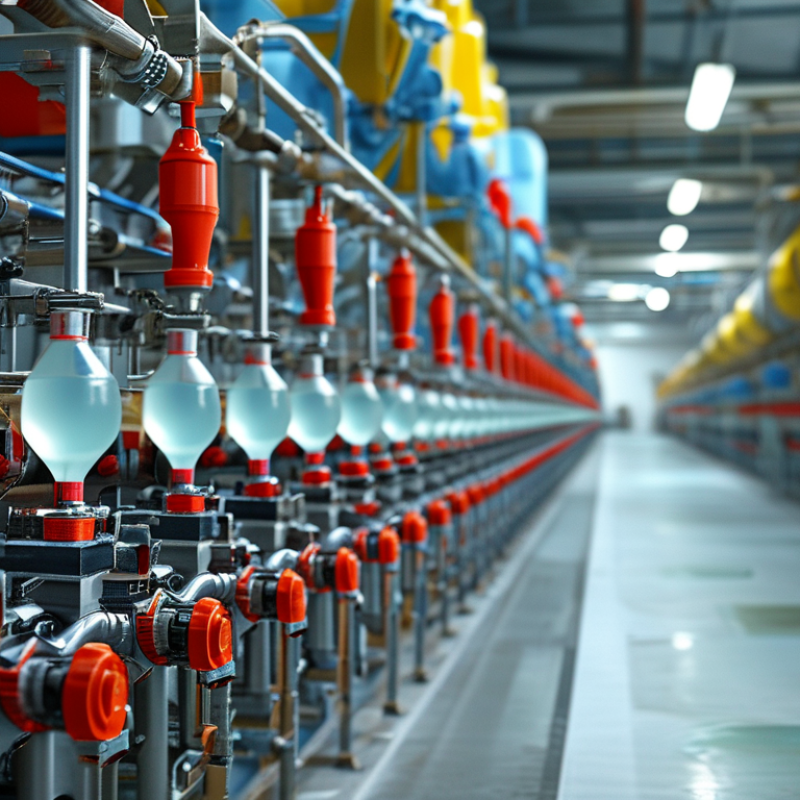
Benefits of Investing in H2O2 Production Lines for Businesses
Investing in an H2O2 production line presents numerous advantages for businesses. This investment can enhance operational efficiency. Hydrogen peroxide is crucial in various industries, from cleaning agents to disinfectants. By producing it in-house, businesses can ensure consistent quality and supply. This control reduces reliance on external suppliers, mitigating potential disruptions.
However, developing a production line isn't without challenges. The initial setup costs can be substantial. Businesses must also navigate regulatory requirements, which can be complex. Proper training for staff is essential to ensure safety and efficiency in operations. Additionally, maintaining the production line requires ongoing investment and attention.
Despite these challenges, the benefits often outweigh the drawbacks. Producing H2O2 internally allows for customization based on specific needs. Companies can adjust production volumes according to market demands. This flexibility can lead to improved profit margins and a stronger competitive edge. Overall, investing in H2O2 production can empower businesses to thrive in their respective markets.
Key Considerations for Selecting an H2O2 Production Line
Investing in an H2O2 production line can significantly benefit your business. However, choosing the right line requires careful consideration. The first thing to evaluate is your production capacity needs. Understand how much hydrogen peroxide you intend to produce. This will directly impact your equipment choice and operational costs.
When selecting a production line, examine equipment reliability. It’s essential to choose machinery made from durable materials. This can reduce maintenance issues and downtime. Look for technologies that allow easy monitoring of production efficiency. An efficient line can save time and money in the long run.
Tips: Consider maintenance support from suppliers. Regular checks can prevent significant failures. Always weigh the cost of maintenance against potential production losses. Document your needs and wants in detail. This can aid in discussions with suppliers and help in making informed decisions.
Cost-Benefit Analysis of H2O2 Production Investments
Investing in an H2O2 production line offers businesses a pathway to enhanced efficiency and cost savings. The production of hydrogen peroxide can significantly reduce dependency on external suppliers. This can lead to more stable pricing and increased control over production quality. Companies may find that producing H2O2 in-house allows for better alignment with their specific needs and standards.
However, the initial investment can be daunting. Equipment costs, utility expenses, and staffing requirements all add up. It’s essential to conduct a thorough cost-benefit analysis before committing. Some enterprises may overestimate their production needs or underestimate maintenance expenses. These factors can lead to unexpected financial strains.
The potential for growth in demand for H2O2 is notable. As various industries, including healthcare and cleaning, emphasize eco-friendly options, investing in a production line might be wise. Companies must remain aware of market fluctuations. Keeping abreast of technological advancements and regulatory changes is crucial. This awareness can secure a competitive edge while optimizing overall operations.
Innovative Technologies in H2O2 Production Processes
Innovative technologies have revolutionized the hydrogen peroxide (H2O2) production process. Traditional methods often involve high energy consumption and environmental concerns. New advancements focus on more efficient and sustainable techniques. For instance, the use of electrochemical methods has gained traction. These methods can reduce energy costs by up to 30%. Additionally, they produce fewer byproducts, minimizing environmental impacts.
Recent industry reports reveal that the global H2O2 market is expected to reach $4.1 billion by 2025. This growth is driven by advancements in production technology. Companies investing in these innovative processes are likely to gain a competitive edge. However, some challenges remain. For example, the initial costs of adopting new technologies can be significant. Businesses must weigh these costs against the long-term savings and environmental benefits.
Another promising approach is the use of catalysts to enhance reaction rates. These catalysts can shorten production cycles and improve yield. Data shows that using advanced catalysts can lead to a 15% increase in efficiency. However, the effectiveness of these catalysts may vary based on the specific production conditions. Tailoring the catalyst to the unique needs of the production line requires careful consideration and testing. Embracing these innovations presents a complex but rewarding challenge for businesses aiming to optimize their H2O2 production.
Why Invest in an H2O2 Production Line for Your Business? - Innovative Technologies in H2O2 Production Processes
| Feature | Description | Benefits | Cost Estimate (USD) |
| Production Capacity | Ability to produce 30,000 tons of H2O2 annually | Meets large-scale demand, reduces supply chain issues | $1,500,000 |
| Energy Efficiency | Utilizes innovative techniques to minimize energy use | Lower operational costs, reduced environmental impact | $800,000 |
| Automation | Fully automated production line | Increases efficiency, reduces labor costs | $700,000 |
| Quality Control | Integrated quality monitoring systems | Ensures product consistency and compliance | $200,000 |
| Maintenance | Low-maintenance design with regular updates | Reduces downtime and repair costs | $150,000 |
Market Trends and Demand for Hydrogen Peroxide Products
Hydrogen peroxide (H2O2) is witnessing a surge in demand. This compound is widely used in various industries, including textiles, paper, and healthcare. The pandemic highlighted its role as a disinfectant. The need for safe, effective sanitization products will likely persist, driving market growth.
Investing in an H2O2 production line can position your business for future success. The versatility of hydrogen peroxide makes it appealing. It serves in bleaching, oxidation, and disinfecting processes. As industries evolve, the applications for H2O2 are expanding.
Tips: Consider your local market's needs. Research trends in environmental sustainability and health safety. Innovation can set you apart. Also, remember, setting up production requires careful planning and compliance with regulations. Overlooked elements can delay your project. Balancing quality and cost is essential for profitability.
Hydrogen Peroxide Market Demand Trends
This bar chart illustrates the projected demand for hydrogen peroxide products from 2021 to 2025. As shown, there is a steady increase in demand, making the investment in H2O2 production lines a promising opportunity for businesses aiming to capitalize on this growing market.