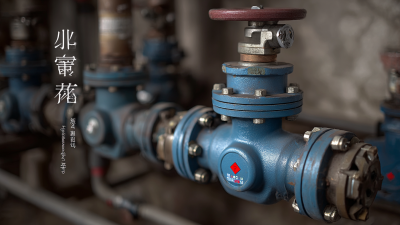
Pressure Reducing
Pressure Sustaining / Pressure Relief
Flow Control valves
Float Valves - Level Control
Electrically Actuated Valves
Pressure Modulation - Remote Control
Altitude Valves - Level Control
Burst Control Valves
Pump Control
CLA-VAL "HYTROL" Main Valve
Valve Controllers and Data Loggers
Air Valves
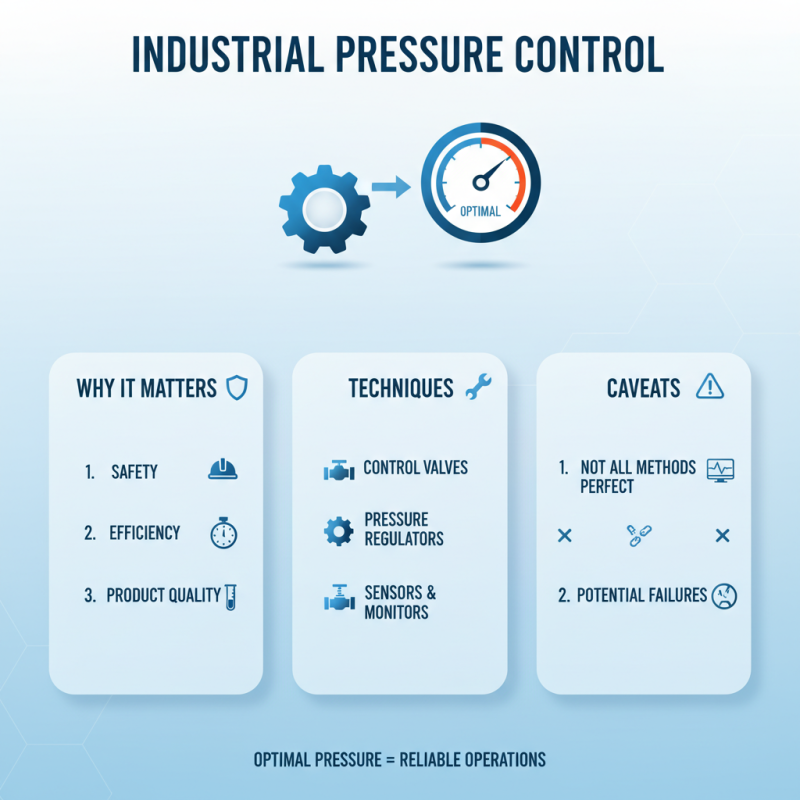
Effective pressure control is essential for enhancing industrial efficiency. Industries face many challenges related to pressure management. By adopting top pressure control techniques, companies can optimize their operations and reduce costs.
Pressure control involves maintaining the desired pressure and preventing fluctuations. This can prevent equipment failure and ensure safety. Some common techniques include the use of pressure regulators and automated control systems. Each method has its advantages, but not all methods are foolproof.
Many companies struggle with pressure control. They may overlook the importance of regular maintenance. Ignoring small leaks can lead to larger issues. Finding the right balance in pressure management is a continuous process. As industries evolve, innovative techniques must be explored for better pressure control. This ensures long-term operational success and sustainability.
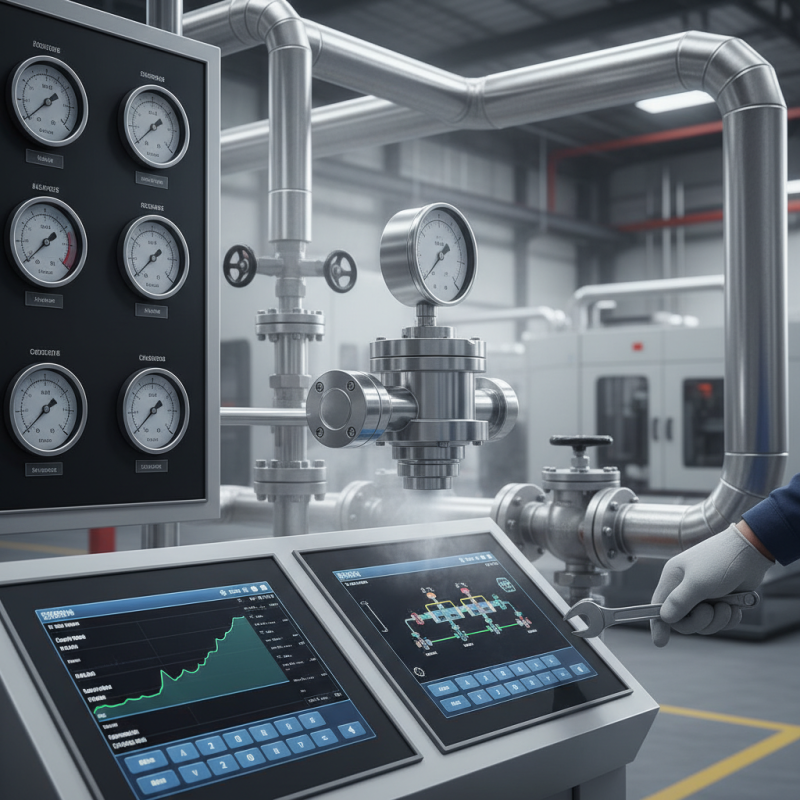
Effective pressure control is vital in industrial settings. It affects safety, efficiency, and product quality. Various techniques can help maintain optimal pressure levels. However, not all methods are foolproof.
One common approach is the use of pressure regulators. They can automatically adjust pressure based on system needs. Yet, sometimes they malfunction. Regular maintenance is essential to prevent costly breakdowns. Another method involves calibrated pressure relief valves. These devices protect against overpressure but can be prone to wear over time. Operators must remain vigilant.
Monitoring systems play a crucial role, too. They provide real-time data and alerts. However, reliance on technology can lead to complacency. Human oversight is still necessary. Overall, while techniques for pressure control enhance industrial efficiency, they require constant evaluation and adjustment.
Effective pressure regulation is essential in industrial settings. It directly impacts productivity and efficiency. Properly managing pressure helps maintain system reliability. Many industries rely on techniques like pressure relief valves, control valves, and variable speed drives.
Pressure relief valves are crucial for safety. They release excess pressure, preventing potential failures. However, the settings must be reviewed regularly. If neglected, they might encourage dangerous situations.
Control valves regulate flow and pressure. They adjust in response to changing conditions. This automation can enhance efficiency. But, calibration issues can arise. Regular maintenance is key. Variable speed drives optimize energy use. They adjust motor speeds based on process demands. Still, improper setup can lead to inefficiencies. Keeping these systems in check ensures smoother operations.
| Technique | Description | Benefits | Use Cases |
|---|---|---|---|
| PID Controllers | Proportional-Integral-Derivative controllers maintain pressure control by adjusting inputs based on system errors. | High accuracy, stability, and the ability to handle complex systems. | Oil and gas refining, chemical processing. |
| Pressure Relief Valves | Safety devices that automatically release pressure to prevent system overpressure. | Prevention of system failure, safety assurance. | Steam systems, petrochemical plants. |
| Smart Sensors | Advanced sensors that provide real-time data and analytics for pressure monitoring. | Enhanced monitoring capabilities, remote access, and predictive maintenance. | Manufacturing, water treatment facilities. |
| Variable Frequency Drives (VFDs) | Devices that adjust motor speed and torque to control pressure flow dynamically. | Energy savings, reduced wear and tear on pumps. | HVAC systems, water pumps. |
| Automated Pressure Control Systems | Fully automated systems for precise pressure management across industrial processes. | Improved efficiency and reduced operator intervention. | Food and beverage processing, pharmaceuticals. |
Implementing advanced pressure control systems brings numerous benefits to industrial operations. These systems optimize processes by accurately regulating pressure levels. They can significantly reduce energy consumption. With better energy efficiency, industries can lower their operational costs. This can lead to more competitive pricing in the market.
Moreover, improved pressure control enhances product quality. Consistent pressure levels result in uniformity in production. This reduces waste and minimizes the risk of equipment failure. However, organizations may face challenges adapting to new technologies. Employees might require additional training. Resistance to change can slow down implementation.
Investing in these systems is not just about immediate benefits. The long-term advantages can lead to greater sustainability. Industries can improve their environmental footprint. Enhanced pressure control can contribute to a greener future. Addressing initial hurdles is necessary for progress. Continuous assessment and adjustments will be needed to fully realize the potential of advanced pressure control.
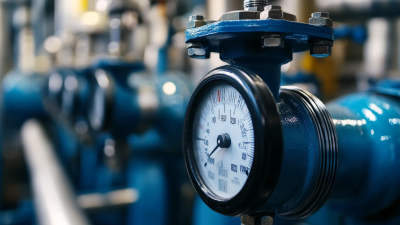
Effective monitoring and maintenance practices are crucial for optimal pressure control in industries. Regular checks can identify issues before they escalate. Technicians should use pressure sensors for real-time data. Data helps in making better decisions. A simple reading could prevent major leaks.
Routine maintenance schedules need to be defined. They ensure all equipment runs smoothly. This includes replacing worn-out components. However, it is easy to overlook small parts. A missed inspection can lead to bigger problems later. Operators must remain vigilant.
Training staff regularly is essential. New technologies might be implemented. Employees should feel confident using them. Issues like miscommunication can arise. A collaborative environment fosters better results. Mistakes are part of learning but can be costly. Encouraging open discussions about challenges can help.
Effective pressure control techniques greatly enhance industrial efficiency. Examining successful implementations provides valuable insights. In one case, a chemical plant revamped its pressure monitoring system. They adopted real-time data analytics. This adjustment improved response times significantly. However, initial resistance to change impeded the process. Training was needed to get everyone on board. It highlighted the importance of communication within the team.
Another example involved a food processing facility. They faced pressure fluctuations that affected product quality. Implementing automated control valves reduced variability. The results were impressive, but challenges persisted. Staff struggled with maintenance initially. Feedback loops were established to make ongoing adjustments. It reminded everyone that pressure control is not a one-time fix. Continuous improvement is essential for long-term success in any sector.
CLA-VAL UK Limited
Dainton House
Goods Station Road
Tunbridge Wells
Kent, TN1 2DR
© 2025 CLA-VAL UK | site map | Terms and Conditions of Sale and Warranty | Privacy policy