Why Are Pressure Regulating Valves Essential for Efficient Fluid Control?
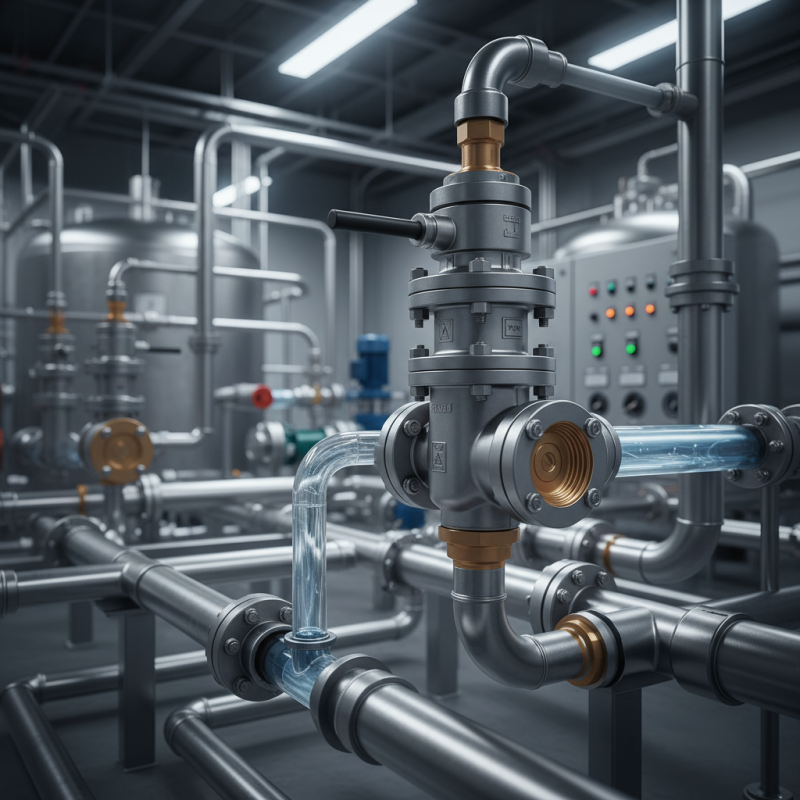
Pressure regulating valves are vital for managing fluid systems efficiently. These components play a key role in maintaining steady pressure levels. Without them, systems can experience fluctuations that lead to inefficiencies and potential damage.
The function of a pressure regulating valve is to control pressure within a system. This helps protect equipment from excessive pressure and ensures optimal performance. In various industries, such as oil and gas, chemical processing, and water treatment, everything depends on precise fluid control.
Sometimes, users overlook maintenance and calibration of these valves. This can result in poor performance and system failures. Understanding the importance of pressure regulating valves is crucial. They may seem simple, but their impact is profound and worth reflecting on.
Understanding Pressure Regulating Valves and Their Functionality
Pressure regulating valves play a crucial role in fluid control systems. They maintain a constant output pressure, regardless of fluctuations in input pressure. This functionality ensures that systems operate efficiently, reducing wear and tear on components. These valves are often installed in various industries, including water management and manufacturing.
Understanding how pressure regulating valves work is key. They use a diaphragm to sense pressure changes. When the pressure exceeds a predetermined limit, the valve adjusts to lower the flow. This process can help prevent system failures. However, not all valves function perfectly. Sometimes, they may stick or fail to respond as expected. Regular maintenance is essential to keep them in optimal condition.
Damage from inconsistent pressure can affect equipment longevity. When valves fail, costly repairs can arise. There’s a need to analyze and reflect on the effectiveness of these valves in specific applications. Each environment presents unique challenges. Evaluating these factors can help ensure a reliable and efficient fluid control system.
The Importance of Pressure Control in Fluid Systems
Pressure control is vital in fluid systems. It ensures that fluids are delivered at the right force. This is crucial for safety and efficiency. A sudden surge in pressure can cause leaks or equipment failure. Maintaining stable pressure helps prevent these issues.
Pressure regulating valves play a key role in this process. They adjust the fluid flow based on current demands. By doing so, they maintain optimal conditions. This ensures that the system runs smoothly. Using these valves can lead to energy savings. Sometimes, they need adjustment to fit changing circumstances.
Tips: Regularly check your pressure levels. It helps identify potential problems early. Investing in quality pressure gauges can make a difference. In addition, train staff on proper valve operations. Their awareness reduces the risk of mishaps during operation. Remember, a small oversight can lead to larger consequences. Stay attentive to system needs for better results.
How Pressure Regulating Valves Improve System Efficiency
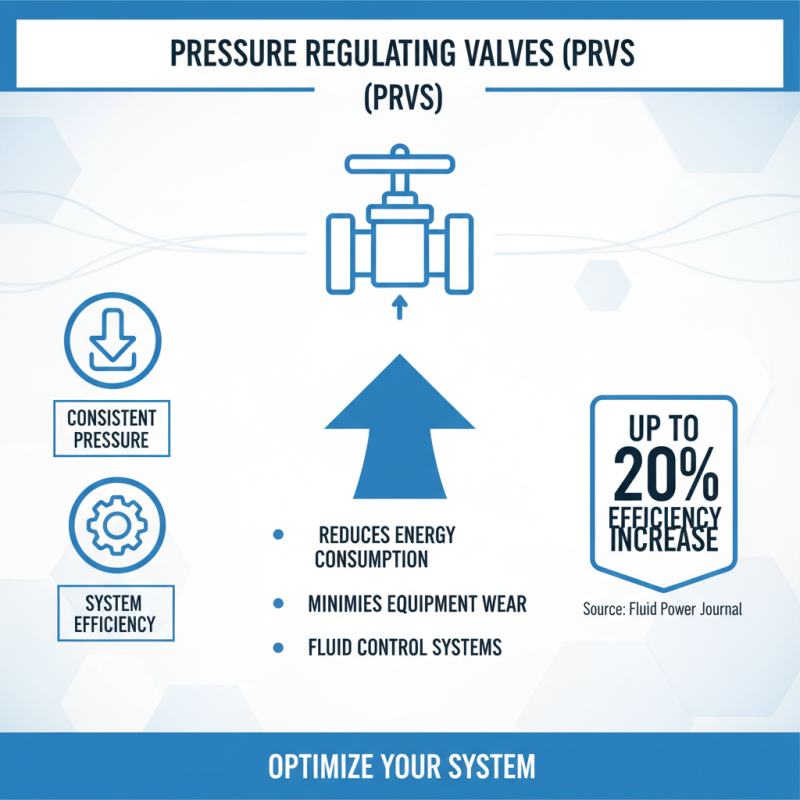
Pressure regulating valves (PRVs) play a critical role in fluid control systems. They ensure consistent pressure, which is vital for system efficiency. An optimal pressure level reduces energy consumption and minimizes wear on equipment. According to the Fluid Power Journal, systems utilizing PRVs can achieve up to a 20% increase in efficiency.
Maintaining proper pressure prevents excessive flow velocity, which can lead to erosion in pipes. A steady pressure also allows for better distribution of fluids, ensuring all components receive adequate resources. Many industries report reduced operational costs when PRVs are included. Energy costs specifically can drop by over 15% in some settings.
Tips: Regular maintenance is crucial. Check your PRVs for signs of wear periodically. A worn valve can disturb flow consistency and system performance.
System performance often reflects the efficiency of pressure regulation. Inadequate pressure can lead to system failures or inefficiencies. A common oversight is neglecting the calibration of PRVs. Proper calibration ensures sustained pressure control, paving the way for longer equipment lifespan and lower maintenance needs.
Key Applications of Pressure Regulating Valves in Various Industries
Pressure regulating valves play a crucial role in various industries, ensuring optimal fluid control. In the oil and gas sector, these valves maintain consistent pressure, preventing leaks and unsafe conditions. They are essential for pipeline operations, where fluctuating pressure can cause damage. Without proper regulation, systems may fail, leading to costly downtime.
In the water supply industry, pressure regulating valves help manage distribution systems. They protect infrastructure from excessive pressure, which can cause burst pipes. By balancing water pressure, these valves enhance efficiency. In irrigation systems, they ensure adequate water distribution to crops, improving yield. However, poor maintenance can lead to valve failures, resulting in water wastage.
Additionally, in pharmaceutical manufacturing, precise pressure regulation is vital for product quality. It ensures that fluids flow consistently in production. Disruptions can compromise batch quality, leading to significant financial losses. Nevertheless, many industries overlook the importance of regular valve checks, which can create challenges in maintaining efficiency and safety.
Key Applications of Pressure Regulating Valves in Various Industries
This bar chart illustrates the distribution of key applications of pressure regulating valves across various industries. The data showcases their critical role in water supply, gas distribution, oil & gas, chemical processing, and the food & beverage sectors.
Maintenance and Troubleshooting for Optimal Valve Performance
Pressure regulating valves are critical for maintaining fluid control in various systems. Regular maintenance is essential for optimal performance. Neglecting these valves can lead to inefficiencies and increased costs. A small leak or blockage may go unnoticed, yet it can significantly impact operation.
Tips: Check your valves every six months. Look for leaks or corrosion. Minor issues can escalate quickly.
When troubleshooting, focus on the valve's response. Is it maintaining pressure as expected? If not, inspect the components for wear. Sometimes, cleaning the internals can restore function. However, if the valve is damaged, replacement may be necessary.
Tips: Document any changes during troubleshooting. This helps identify patterns over time. Be mindful of unusual sounds too. They can indicate deeper problems. Regular training for staff can also improve handling of valve issues.