What is Sandblast Rubber Hose and How is it Used?
In the industrial sector, the importance of the Sandblast rubber hose cannot be overstated. These hoses are specially designed for abrasive material handling. They transport sand and other particles at high pressures. According to a recent report by the Global Industrial Hose Market, the demand for sandblast rubber hoses is projected to grow significantly, driven by the increasing need for construction and manufacturing activities.
During abrasive blasting processes, these hoses face immense wear and tear. The failure of a hose can lead to safety hazards, making quality a crucial factor. A study published in the Journal of Materials Processing highlights that improper hose selection can increase maintenance costs by up to 30%. Choosing the right sandblast rubber hose is essential for operational efficiency.
However, not all hoses meet the rigorous standards required for sandblasting applications. Some products on the market may lack the necessary durability. This can result in premature failures and downtime. Evaluating the manufacturing standards and material properties is essential. Ultimately, understanding the role and application of sandblast rubber hoses can lead to better choices in equipment management.
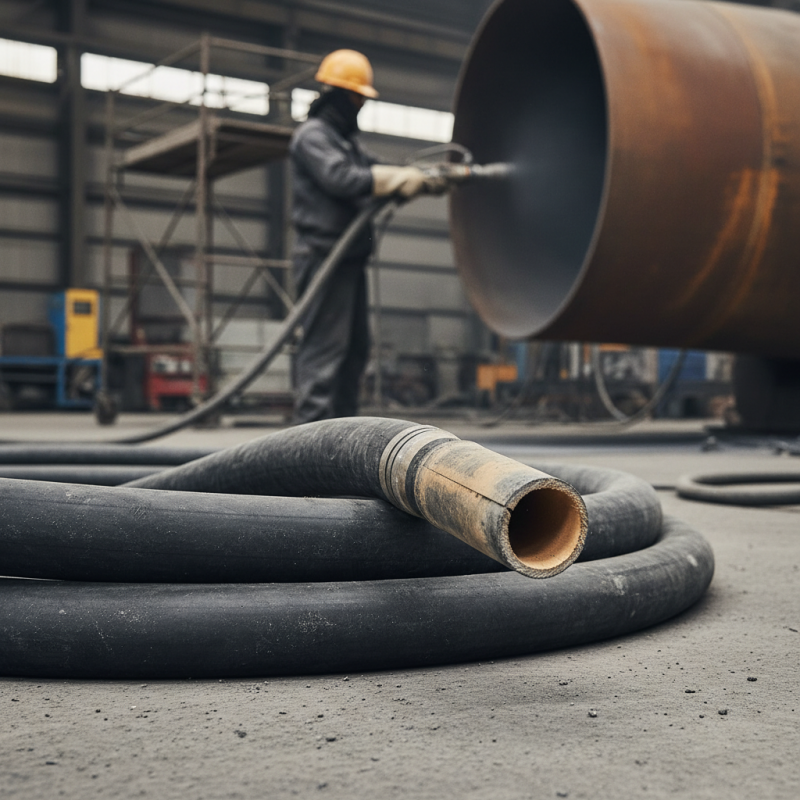
What is Sandblast Rubber Hose and Its Composition Overview
Sandblast rubber hose is an essential tool in various industrial applications. Typically made from a blend of rubber and synthetic materials, it boasts durability and flexibility. The composition allows it to withstand high pressures and abrasive materials, making it suitable for sandblasting and cleaning tasks. This hose often features a smooth interior for efficient material flow and a reinforced exterior to resist wear and tear.
The unique features of sandblast rubber hose make it ideal for different environments. The hoses come in various diameters, ensuring compatibility with various sandblasting equipment. Users can choose hoses that are lightweight for ease of maneuverability or heavy-duty versions for demanding applications.
However, attention to maintenance is crucial. Over time, hoses can degrade due to exposure to harsh elements or improper use. Care should always be taken to inspect hoses regularly for cracks or wear. It’s common to overlook these details, yet such negligence can lead to leaks or failures during operation.
Proper storage is equally important to prolong the lifespan of the hose. Even minor mistakes in handling can result in significant consequences. Understanding the composition and potential shortcomings of sandblast rubber hoses aids in making informed decisions for their use.
Key Applications of Sandblast Rubber Hoses in Various Industries
Sandblast rubber hoses play a critical role in various industries, particularly in construction and manufacturing. These hoses are designed to convey abrasive materials such as sand and glass beads for surface preparation. According to industry reports, the global sandblasting equipment market was valued at approximately $4.2 billion in 2022 and is expected to grow. This growth indicates a rising demand for sandblast hoses in sectors like automotive and aerospace, where precision cleaning is essential.
In the construction industry, sandblast rubber hoses are crucial for removing rust and old paint from metal surfaces. They facilitate effective surface preparation, ensuring that coatings adhere properly. A study revealed that improper surface preparation could increase coating failure rates by up to 70%. Furthermore, the mining sector employs these hoses to remove debris from equipment and enhance efficiency. However, the durability of hoses can be a concern. Regular wear and tear may lead to unexpected failures, causing delays and additional costs.
It is important to consider the working environment for these hoses. Extreme temperatures and chemical exposure can affect performance. Industry experts suggest that selecting the right hose based on operational conditions can prevent issues. Investing in quality sandblast hoses is crucial, but it requires continuous evaluation. Not all products meet the varying demands of different applications equally. Attention to detail while choosing hoses will help avoid inefficiencies and improve overall productivity.
Performance Metrics: Durability and Pressure Ratings of Sandblast Hoses
Sandblast rubber hoses are essential in various industrial applications, especially for abrasive material handling. Their performance metrics are crucial. Durability is one of the key characteristics. High-quality sandblast hoses can withstand harsh environments. They are designed to handle the abrasive nature of materials like sand, glass beads, or even metal shot. The outer layer must resist wear and tear. With proper maintenance, the lifespan of these hoses can be extended significantly.
Pressure ratings are another vital aspect. Sandblast hoses must endure high pressures during operation. Typical pressure ratings can range widely based on the construction and materials used. Some hoses can handle up to 150 PSI, while others reach much higher. Operators often overlook the importance of adhering to these ratings. Exceeding pressure limits can lead to catastrophic failures. Such oversights can cause accidents or equipment damage. Choosing the right hose is a matter of both safety and efficiency in abrasive blasting tasks.
While sandblast hoses serve their purpose well, their limitations are worth noting. A hose may become brittle over time. Environmental factors affect its integrity. Regular inspection is essential to avoid sudden failures. Ensuring that the hose is free from kinks and abrasions is critical. Operators should always think critically about their equipment. Ignoring these details could result in serious consequences.
Maintenance and Safety Considerations for Sandblast Rubber Hoses
Sandblast rubber hoses are essential in various industrial applications. However, proper maintenance is crucial to ensure their longevity and safety. Regular inspections can prevent catastrophic failures. Look for signs of wear, like cracks or bulges. These can compromise the hose’s integrity.
Improper storage can lead to damage. For instance, hoses left in direct sunlight may degrade faster. Avoid placing heavy objects on them. Keep hoses in a cool, dry area. Tips: Always coil hoses properly after use, avoiding tight bends.
Safety is paramount when using sandblast rubber hoses. Ensure connections are secure to prevent accidents. Use appropriate personal protective equipment (PPE) like gloves and goggles. Be mindful that hoses can be heavy and cumbersome. Training is essential. It may seem repetitive, but it saves lives. Regularly review safety practices with your team.
What is Sandblast Rubber Hose and How is it Used? - Maintenance and Safety Considerations for Sandblast Rubber Hoses
| Dimension | Specification | Usage | Maintenance Tips |
| Inner Diameter | 3/8" - 2" | Used for abrasive blasting applications | Inspect regularly for wear and tear |
| Working Pressure | Up to 150 PSI | High-pressure blasting operations | Keep hose coiled when not in use |
| Length | 10' - 50' | Flexible reach in various environments | Store in a cool, dry place |
| Material | Rubber with fabric reinforcement | Resists wear from abrasives | Avoid exposure to extreme temperatures |
Comparative Analysis: Sandblast Hoses vs. Other Abrasive Transfer Hoses
Sandblast hoses are critical in abrasive transferring processes. They are designed specifically for handling materials like sand or grit. Unlike standard hoses, sandblast hoses are reinforced to handle high pressure and prevent wear. This durability is essential in various applications, from construction to manufacturing. Some users may confuse them with general-purpose hoses, but these are not interchangeable.
When comparing sandblast hoses to other abrasive transfer hoses, flexibility is one key difference. Sandblast hoses tend to be more rigid. This can hinder movement during projects. On the other hand, other abrasive hoses may offer more maneuverability but lack the same durability. It's crucial to assess specific needs before choosing a hose.
Tip: Always check the working pressure ratings before using any hose. Overestimating can lead to dangerous situations. Another point to note is the material choices. Different materials handle abrasives differently. Understand the specific types of abrasives being used in your project for effective outcomes. Testing a small section before full implementation can reveal compatibility issues.