How to Select the Best 430 Stainless Steel Strips for Your Needs?
Choosing the right 430 Stainless Steel Strips can greatly impact your project. This material combines durability with resistance to corrosion, making it popular in various applications. However, not all 430 Stainless Steel Strips are created equal. Factors such as thickness, width, and finish play a crucial role in performance.
Understanding your specific needs is essential. Are you looking for something for a kitchen application or an outdoor setting? The use case will guide your decision. Ensure you consider the strip's grade and mechanical properties, as these determine how well it holds up under stress.
Don’t overlook potential downsides. Some strips may not perform as expected due to manufacturing inconsistencies. It's vital to research suppliers for reliability. Choose those who specialize in stainless steel and have a solid reputation. This will ensure that you receive quality products tailored to your requirements.
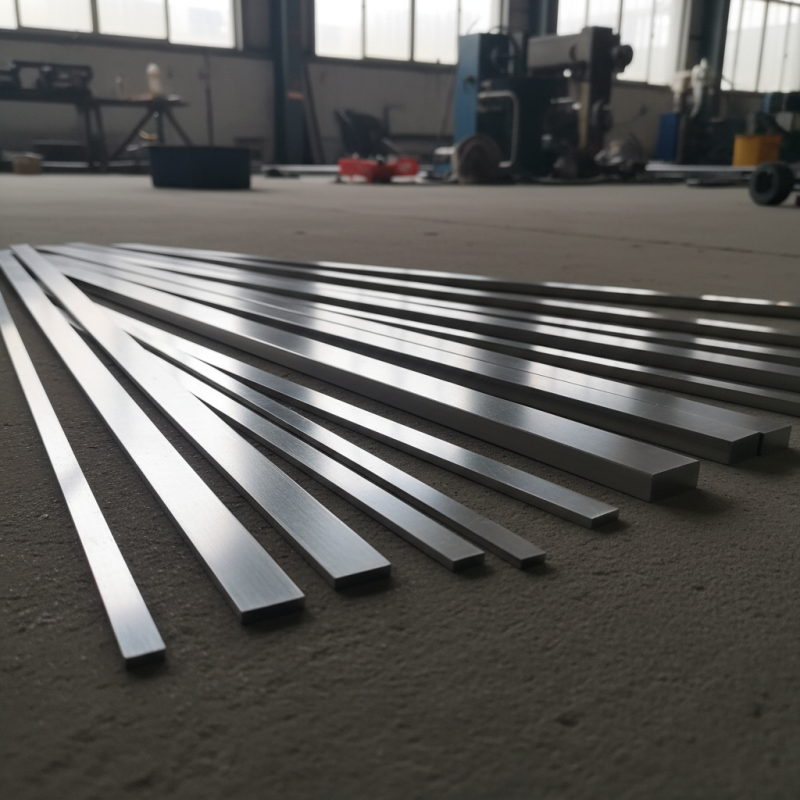
Understanding 430 Stainless Steel: Properties and Characteristics
When considering 430 stainless steel, it's important to understand its main properties. This grade is known for its excellent corrosion resistance, which makes it suitable for various applications. For example, 430 stainless steel contains about 16-18% chromium. This composition provides enough protection against rust and oxidation, especially in moderate environments.
In terms of mechanical characteristics, 430 stainless steel offers decent strength and moderate ductility. It typically has a yield strength of about 240 MPa and an ultimate tensile strength of around 450 MPa. This indicates that while it may not be as strong as other stainless steels, it is sufficient for many applications, such as kitchen appliances and exhaust systems. However, one should consider its limitations in high-stress environments.
Although 430 stainless steel is a popular choice, it may not always meet specific needs. For instance, its lower nickel content limits its toughness at extreme temperatures. In some scenarios, this can lead to issues such as brittleness or cracking. Understanding these properties is essential for making informed decisions when selecting stainless steel strips for your projects.
Identifying Your Specific Needs for Stainless Steel Strips
When selecting 430 stainless steel strips, understanding your specific needs is crucial. Consider the strip's thickness and width. Are you working on a project that requires precise measurements? Small variations can affect overall performance. Evaluate the environment as well. Will the strips be exposed to harsh conditions? This impacts their durability and functionality.
Tips: Always check the corrosion resistance of 430 stainless steel. This grade is less resistant than others but can still perform well in mild environments. Compare your application with material specifications to ensure compatibility.
Think about the finish you require. Polished strips might suit aesthetic needs, while a rough finish may be better for industrial use. Consult with industry professionals if unsure about which type to choose. Their expertise can guide you in the right direction.
Your budget also plays a role. Sometimes, the cheapest option isn't the best for your project. Cutting corners could lead to higher costs down the line due to failures. Balancing quality and cost is essential for a successful outcome. Reflect on these factors to find the ideal stainless steel strips for your requirements.
Evaluating Different Suppliers and Their Product Offerings
When selecting 430 stainless steel strips, evaluating suppliers is crucial. Different suppliers may offer various qualities. It's essential to assess their product specifications and certifications. Not all suppliers possess the same level of expertise. Many have certifications like ISO 9001, indicating quality management.
In a 2022 report from the Stainless Steel Institute, the need for reliable suppliers is emphasized. About 75% of businesses prioritize supplier reliability over cost. This highlights the significance of choosing wisely. Look for suppliers with a proven track record and extensive experience. Some may claim high-quality products, but their actual performance can vary.
Visit supplier websites and review detailed product datasheets. These documents can reveal valuable information about the material properties and processing methods. Seeking third-party reviews can also help in understanding a supplier’s reputation. Take time to compare and reflect on your choices. Quality and reliability should never be compromised for cost alone.
Comparing Pricing and Quality of 430 Stainless Steel Strips
When comparing pricing and quality of 430 stainless steel strips, it's essential to look closely at your specific needs. The grade 430 offers good corrosion resistance and formability. Examine the thickness and width of the strips. This will greatly affect their application. Pricing can vary significantly based on these specifications and market conditions.
Quality should not be overlooked while considering price. Lower prices can indicate lower quality. Look for certifications and test reports. These documents assure you of the strip's integrity. It's often worth paying a little more for better quality. Some suppliers might offer deals, but be cautious. Excessively low prices can lead to regrets later on.
Think about the long-term use of the strips. Durability is key in many applications. A cheaper price might lead to frequent replacements. Reflect on the value of investing in higher-quality materials. Balancing cost and quality may require some trial and error. Don't rush the decision. Patience can lead to better purchasing choices.
Comparative Analysis of 430 Stainless Steel Strip Pricing and Quality
Tips for Proper Maintenance and Care of Stainless Steel Strips
Stainless steel strips, particularly 430 stainless steel, require careful maintenance to ensure longevity. Regular cleaning is essential. Use a soft cloth to wipe off dust and dirt, avoiding harsh chemicals. These chemicals can cause corrosion over time. Mild soap and water work well to clean surfaces, keeping them shiny and free from stains.
Avoid exposing stainless steel strips to corrosive environments. Humidity and salt can significantly affect their durability. If your strips are used outdoors, applying a protective coating can provide an extra layer against the elements. Periodic inspections are also beneficial. Look for any signs of rust or discoloration. Early detection can prevent further damage.
Keep in mind that while stainless steel is durable, it isn't indestructible. Scratches and dents may occur from regular use. Addressing these issues promptly can help maintain aesthetics and functionality. Remember that every maintenance effort counts, even if the results aren’t perfect. Reflection on these practices will improve your approach to care, ensuring your stainless steel strips continue to serve their purpose effectively.
How to Select the Best 430 Stainless Steel Strips for Your Needs? - Tips for Proper Maintenance and Care of Stainless Steel Strips
| Dimension (mm) | Thickness (mm) | Finish Type | Corrosion Resistance | Typical Applications |
| 25 x 1.5 | 1.5 | Brushed | Moderate | Kitchen equipment |
| 50 x 2.0 | 2.0 | Polished | High | Automotive parts |
| 75 x 1.0 | 1.0 | Brushed | Moderate | Architectural applications |
| 100 x 3.0 | 3.0 | Mirror | High | Decorative trim |