What are Stainless Hex Nuts and How to Choose Them?
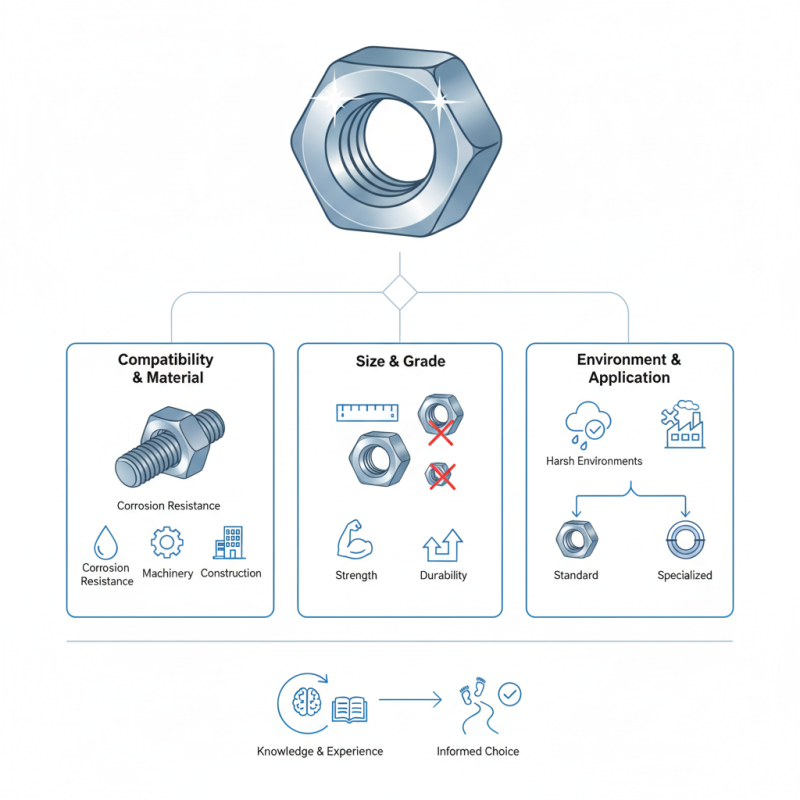
Stainless Hex Nuts play a crucial role in various applications, especially in construction and machinery. These fasteners offer superior resistance to corrosion, making them ideal for harsh environments. When selecting Stainless Hex Nuts, several factors come into play. It’s not just about choosing a random nut; compatibility with bolts is essential. Also, different materials can affect performance, leading to potential mistakes.
The size and grade of Stainless Hex Nuts matter greatly. Using the wrong size can lead to breakage or loosening over time. It’s surprising how many overlook this detail. Additionally, understanding the environment where these nuts will be used is vital. Sometimes, standard options might not suffice. More often than not, users may find themselves regretting a choice made in haste.
Striking the right balance among strength, size, and material can be challenging. One must often weigh various options and their potential outcomes. Ultimately, while making an informed choice is ideal, it's the learning from missteps that leads to better decisions. Finding the perfect Stainless Hex Nuts requires both knowledge and experience.
Understanding the Composition and Properties of Stainless Hex Nuts
Stainless hex nuts are essential components in many applications. Their composition significantly impacts their performance and durability. Commonly made from stainless steel, they resist corrosion and oxidation. This makes them ideal for both indoor and outdoor use. Stainless nuts often comply with industry standards, such as ASTM A194. Reports indicate that these nuts can withstand various environmental challenges.
The properties of stainless hex nuts include a high tensile strength, typically ranging from 70 to 100 ksi. This strength lends them the ability to secure fixtures tightly. However, not all stainless steels are alike. Types 304 and 316 are common, with 316 offering superior corrosion resistance. Yet, they are often more expensive. Users must consider the application when selecting a nut. For instance, marine environments often call for 316 stainless due to its enhanced resistance to saltwater.
Despite their many advantages, improper material selection can lead to failures. Some industries report issues with using low-quality stainless grades. These may corrode faster in certain conditions. Users need to balance cost with the necessary quality. Testing and verification of stainless grades remain crucial. Proper choice ensures a longer lifespan and improved reliability of structures.
Stainless Hex Nuts Properties Comparison
Common Applications of Stainless Hex Nuts in Various Industries
Stainless hex nuts are essential fasteners in many industries. They are widely used in automotive, construction, and machinery sectors. In automotive applications, these nuts secure various components. They ensure that parts remain in place during operation. This reliability is crucial for vehicle safety.
In construction, stainless hex nuts hold structures together. They are used with bolts to connect beams and frames. Exposure to moisture can cause rust in other fasteners. However, stainless steel offers excellent corrosion resistance. This quality prolongs the lifespan of constructions.
Manufacturing often relies on stainless hex nuts for machinery assembly. They ensure the durability of machines under heavy use. However, choosing the right size and strength is not always straightforward. Many industries require precise sizes, which can complicate inventory management. Not all applications need high-strength nuts, so understanding specific needs is vital.
Key Factors to Consider When Choosing Stainless Hex Nuts
When selecting stainless hex nuts, several key factors come into play. Material composition is crucial. Stainless steel comes in various grades. Commonly used grades include 304 and 316. Grade 304 offers good corrosion resistance but may not perform well in marine environments. Choose 316 for excellent resistance against saltwater.
Size is another important consideration. Ensure that the hex nut matches the corresponding bolt size. This guarantees a secure fit. Improper sizing can lead to failures. Inconsistent specifications can arise from different manufacturers. Always double-check the measurements before purchasing.
Tip: Pay attention to the thread type. Coarse threads are easier to handle, while fine threads provide a stronger grip. Also, consider the application. Heavy-duty applications may require thicker nuts.
It’s vital to reflect on the environment where the nuts will be used. Factors such as temperature and exposure to chemicals can impact performance. Choose a nut that best suits your conditions. Ignoring these details might result in costly repairs later on.
Different Grades of Stainless Steel Used in Hex Nuts
Stainless hex nuts are essential fasteners used in various applications. The quality of these nuts largely depends on the grade of stainless steel used in their production. Common grades include 304, 316, and 410. Each has unique properties and suitability for different environments.
Grade 304 stainless steel is the most widely used. It offers good corrosion resistance and strength. It can withstand temperatures up to 870°C. However, in chloride environments, it may suffer from pitting. Likewise, grade 316 stainless steel is often preferred for marine applications. It contains molybdenum, which enhances corrosion resistance against chlorides but may be more expensive.
On the other hand, grade 410 is a martensitic stainless steel. It provides excellent wear resistance but lacks the corrosion resistance of grades 304 and 316. This grade is often used in applications where high strength is crucial but exposure to corrosive elements is minimal. Choosing the right grade of stainless steel hex nuts is crucial. Factors such as environmental conditions and mechanical requirements must be considered. Misjudging these factors can lead to premature failure of fasteners.
Installation Tips and Best Practices for Stainless Hex Nuts
When working with stainless hex nuts, installation requires careful attention to detail. Secure fitment is key. Start by ensuring that the threads of both the bolt and nut are clean and free from debris. Lubricating the threads can ease installation, but remember, too much lubricant can lead to misalignment.
Tips for installation include using the appropriate tools. A torque wrench helps achieve the right tightness. Over-tightening can strip threads. This is a common mistake. Also, consider the environment. Stainless steel may resist corrosion, but saltwater can cause pitting.
Check for proper alignment before tightening. Misalignment can cause stress on the joint. It might seem minor, but even small discrepancies can lead to failures over time. Always inspect your work. Look for signs of wear or corrosion after installation. This will help you catch potential issues early on.