Why is Suction Hose Essential for Your Industrial Needs?
A suction hose is a critical component in various industrial applications. It is designed to transport fluids, granules, and even heavy materials with ease. The efficiency of industrial equipment often relies on the quality of the suction hose being used. Quality matters here. A poorly made hose can lead to leaks or failures.
When selecting a suction hose, consider the material and diameter. The right choice affects performance and safety. Some hoses are made for specific environments, such as high temperatures or corrosive substances. Ensuring that your suction hose meets these requirements helps prevent costly accidents.
Remember, not all suction hoses are created equal. Some may appear robust but fail under pressure. This highlights the need for thorough research and testing. Look for suppliers who demonstrate expertise and reliability. By investing in a high-quality suction hose, businesses can enhance productivity, reduce downtime, and ensure safer operations.
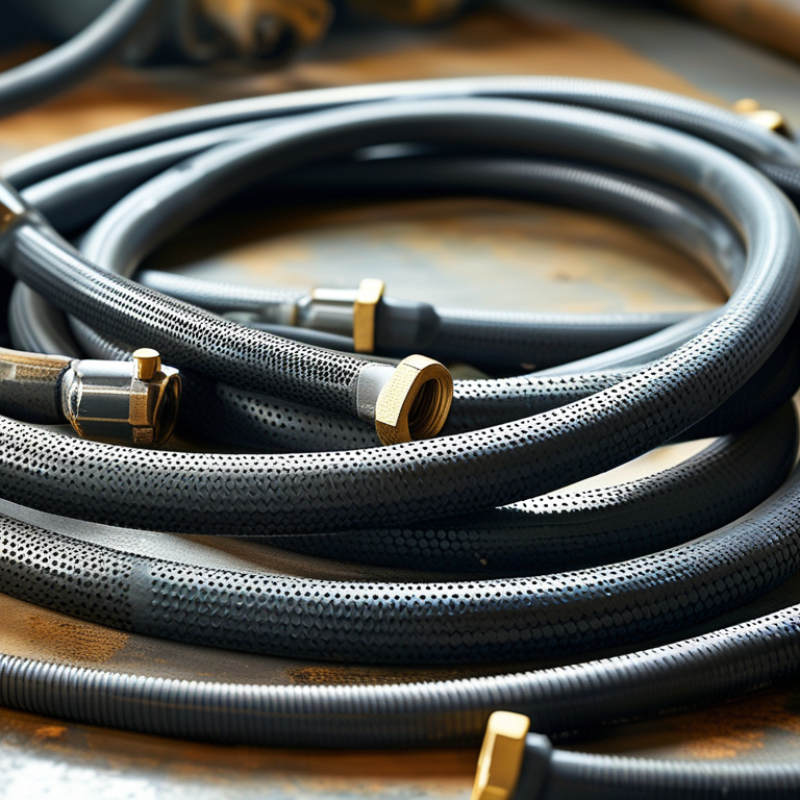
Importance of Suction Hoses in Industrial Applications
Suction hoses play a crucial role in various industrial applications. They are designed to transport fluids, gases, and even solids effectively. Their versatility is evident across sectors like construction, agriculture, and waste management. These hoses come in various sizes, ensuring compatibility with numerous equipment and systems.
Many industries rely on the durability of suction hoses. They must withstand harsh conditions, including temperature variations and chemical exposure. A failure in the hose can lead to accidents and costly downtime. Thus, the material choice is vital. However, not all hoses are created equal. Some might not perform as expected, leading to inefficiencies.
In practical use, improper installation can cause issues. Hoses that are too long or kinked can significantly reduce performance. Regular maintenance and inspections are often overlooked but are essential for reliability. It's common to see worn-out hoses, yet few replace them promptly. Understanding these nuances can enhance operational efficiency and safety in industrial environments.
Key Features of Industrial Suction Hoses
Industrial suction hoses are crucial for various applications, including material handling, waste management, and chemical processing. These hoses must withstand tough operating conditions. They help transfer solids, liquids, and gases safely and efficiently.
Key features of industrial suction hoses include flexibility and durability. Many hoses are made from robust materials like PVC or rubber. These materials can endure extreme temperatures and resist abrasion. According to industry reports, hoses that fail often compromise operational safety and efficiency. Proper selection based on the conveyed material's properties is essential.
Tips for choosing a suction hose: Look for a hose with a reinforced structure. This ensures longevity and reduces wear and tear. Monitor the hose for signs of damage, such as cracks or leaks. Regular inspections can prevent costly downtime. Also, consider the hose diameter and length, as these factors impact flow rates.
In addition, a lightweight hose is easier to handle. However, be cautious; while lightweight, choose a model that maintains strength. Manufacturers emphasize that many industrial delays stem from improper hose selection. Evaluating your specific needs with due diligence can greatly enhance operational efficiency.
Types of Suction Hoses and Their Uses
Suction hoses are crucial in various industrial applications. They come in different types, each designed for specific tasks. Understanding these differences can help you choose the right one for your needs.
Rubber suction hoses are versatile. They work well with water, chemicals, and oils. Their flexibility allows for easy transport and installation. However, they may deteriorate over time if exposed to harsh chemicals. PVC suction hoses are lightweight and resistant to abrasion. They are ideal for temporary setups but can be less durable under extreme conditions.
Polyurethane hoses offer a balance between flexibility and strength. They withstand extreme temperatures and pressures. On the downside, they can be more expensive. It's important to consider your specific environment when selecting a hose. Choosing the wrong type can lead to leaks and performance issues. Always evaluate your industrial requirements carefully.
Why is Suction Hose Essential for Your Industrial Needs?
| Type of Suction Hose | Materials | Applications | Recommended Diameter (inches) |
| PVC Suction Hose | PVC | Water Transfer, Irrigation | 1 to 6 |
| Rubber Suction Hose | Natural Rubber, Synthetic Rubber | Food and Beverage Industry | 2 to 8 |
| Stainless Steel Suction Hose | Stainless Steel | Chemical Processing, Pharmaceuticals | 1 to 4 |
| Flexible Suction Hose | PVC, Polyurethane | Construction, Mining | 3 to 10 |
Maintenance Tips for Optimal Suction Hose Performance
Suction hoses play a crucial role in various industrial applications. Regular maintenance is essential for ensuring optimal performance. Even the best suction hoses require care to function effectively.
Check for wear and tear regularly. Look for cracks, leaks, or abrasions. Any damage can lead to decreased efficiency. Minor issues can escalate if not addressed promptly. Ensure that connections are tight to prevent any loss of suction. Proper storage is also important. Store hoses away from direct sunlight, which can degrade the material over time.
Cleaning the suction hose is key. After use, rinse it out to remove any residue. This practice helps avoid build-up that could clog the hose. Inspect filtering systems to ensure smooth operation. A clean system improves suction and extends hose life. Regularly scheduled inspections are beneficial. They help identify potential problems early. Taking these small steps can result in long-term benefits for your industrial needs.
Safety Considerations When Using Suction Hoses in Industry
When working in industrial settings, safety is paramount, especially when using suction hoses. These hoses are vital for transporting hazardous materials, dust, and liquids. A lapse in safety can lead to accidents, injuries, or even environmental contamination. Proper training and awareness are crucial for all personnel handling suction hoses.
Tips for safe usage include conducting regular inspections. Check for cracks or wear in the hose that could lead to leaks. Use appropriate protective gear, such as gloves and goggles, when necessary. Understanding the materials being handled is essential. Some substances may require specialized hoses or additional safety measures.
Another key aspect is hose storage. Hoses should be coiled properly and stored in a dry place. This helps prevent damage and prolongs their lifespan. Awareness of the working environment is also important. Ensure that the area is free from unnecessary obstacles to prevent tripping hazards. Regular safety drills can help reinforce best practices and keep everyone prepared for potential hazards.
Why is Suction Hose Essential for Your Industrial Needs?
This chart illustrates the importance score of various factors related to suction hoses in industrial applications. Each factor was evaluated on a scale of 1 to 10, demonstrating the critical role these hoses play in ensuring safety and efficiency in industrial processes.