Top Tips for Bending Metals Safely and Effectively?
Bending Metals is a critical process in various industries. It requires skill, knowledge, and safety precautions. According to John H. Thompson, an expert in metal fabrication, "Safety and precision are key when bending metals." His insights highlight the importance of effective techniques and careful handling.
In the world of bending metals, understanding materials is essential. Different metals have unique properties that affect their adaptability. For instance, aluminum bends easily, while steel may require more force and advanced tools. Each project can present distinct challenges that must be considered for successful outcomes.
Safety should never be overlooked. Improper techniques can lead to serious injuries. Therefore, training and awareness of the right equipment are crucial. Bending metals effectively means acknowledging both the art and science behind it. Ultimately, continuous improvement in skills and safety practices is vital for anyone working in this field.
Essential Safety Gear for Metal Bending Operations
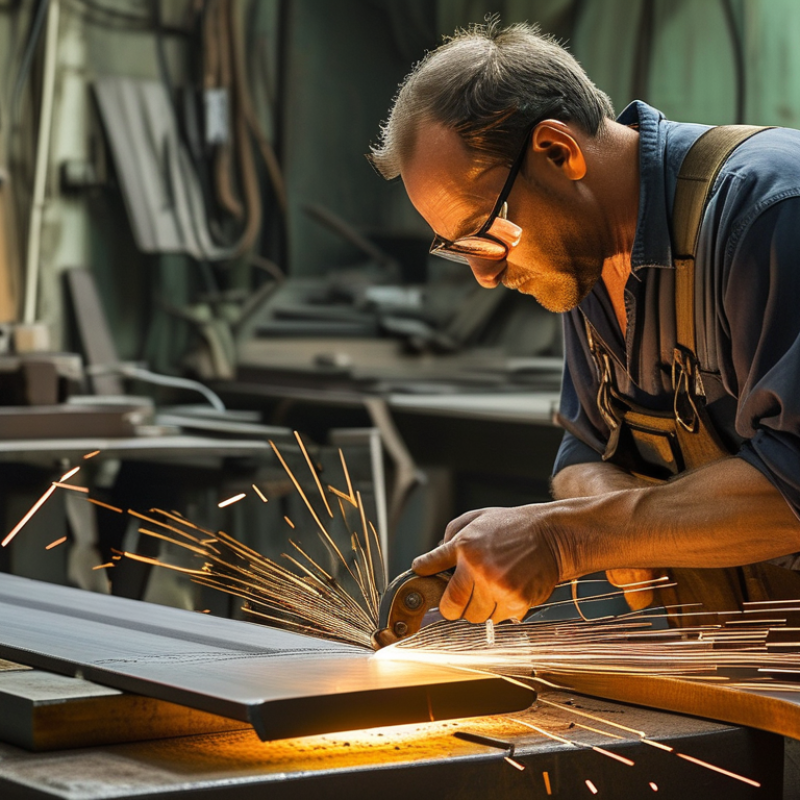
When bending metals, safety should be your top priority. Proper safety gear can prevent serious injuries. For anyone involved in metal bending operations, wearing appropriate protective equipment is essential. Safety goggles protect your eyes from flying metal shards. Leather gloves shield your hands from sharp edges and extreme temperatures.
Your clothing matters, too. Wearing long pants and a long-sleeve shirt reduces skin exposure, which minimizes potential burns or cuts. Consider using steel-toed boots. They offer foot protection against heavy materials. Don’t forget about hearing protection if you are in a noisy environment. It’s easy to overlook small details in safety gear. Ignoring these can lead to accidents you can't undo.
Also, make sure your workspace is organized. Clutter can lead to slips and falls. Regularly check your gear for wear and tear. A broken piece of safety equipment can be just as dangerous as not wearing any. Reflect on past experiences. What safety measures were effective? What could have been done better? Each experience builds knowledge that enhances your safety practices. Prioritize your well-being in every metal bending task.
Understanding the Types of Metals and Their Properties
When bending metals, understanding their properties is crucial. Different metals behave uniquely under pressure. For instance, aluminum is light and malleable, making it easy to shape. In contrast, stainless steel is tough and retains its form well. This variability impacts how you approach metal bending.
Copper is another metal worth mentioning. It's ductile, which means it can be stretched without breaking. This quality makes it ideal for intricate designs. However, improper handling of copper can lead to misalignment or tears, especially in detailed work. That’s where knowledge of each metal's characteristics plays a vital role in achieving the desired shape.
Even experienced professionals can misjudge a metal's flexibility. A slight mistake in technique can lead to warped or unusable pieces. Therefore, take time to understand the tools and their interaction with different metals. Awareness of these aspects will enhance your bending technique and lead to better results.
Techniques for Accurate Measurement and Marking
Accurate measurement and marking are essential for bending metals safely and effectively. Begin by gathering your materials: a ruler, caliper, and a marking tool. Ensure that your workspace is well-lit. A clear view will help prevent errors. It's surprising how often individuals overlook the importance of precise measurements. Even a slight mistake can lead to a significant issue during bending.
When marking metal, use a fine-tip marker or scribe for clarity. Take your time to double-check measurements before finalizing any marks. A common mistake is rushing the marking process. Patience is key. Additionally, if you're working with a sheet of metal, consider using a square to ensure angles are accurate. Misaligned angles can greatly impact the final shape of your metal piece.
Always remember to consider the material's thickness. It may require different approaches to bending. For instance, thicker metals may need deeper marks for precision. Also, think about how the metal will react during the bending process. Not every metal bends the same way. Be adaptable in your techniques. There’s always room for improvement, so reviewing your work and learning from mistakes is important.
Step-by-Step Guide to Different Bending Methods
Bending metals requires careful techniques and an understanding of materials. The process varies significantly with the method used. For instance, a recent industry report indicates that hydraulic bending is preferred for thicker metals due to its precision and control.
To start, choose the appropriate bending method. Common techniques include air bending, bottoming, and coining, each suitable for different thicknesses and materials. For thinner sheets, air bending often suffices. However, thicker materials benefit from bottoming techniques, which minimize springback.
Tip: Always measure twice and cut once. Accurate measurements ensure better results and reduce material waste. Using the correct tools is crucial. Invest in quality bending machines that match your needs.
Metal properties affect bending outcomes. For example, aluminum can be bent at sharper angles compared to steel. Be mindful of this when planning your project. Different metals require specific handling and adjustments.
Tip: Document your bending processes for future reference. This practice helps refine techniques. Learning from each project fosters continuous improvement despite occasional failures. Understanding these nuances makes you a more competent metalworker.
Common Mistakes to Avoid When Bending Metals
Bending metals requires precision and care. Many individuals make common mistakes that can lead to poor results or even injury. One major error is inadequate material evaluation. Not all metals bend the same way. For instance, aluminum has different properties compared to steel. Failing to assess the metal type can lead to unexpected breakage or deformation.
Another frequent mistake is improper tool selection. Using the wrong tools can lead to excessive strain on the metal. According to industry reports, around 30% of bending errors are attributed to unsuitable equipment. If the bending tool isn’t engineered for the specific type of metal, quality issues will arise. Additionally, neglecting to apply the right amount of pressure is crucial. Too much force can lead to cracks, while too little can result in incomplete bends.
Lastly, overlooking safety measures is a significant concern. In metal fabrication, nearly 40% of workplace injuries are linked to improper handling of materials. Wearing protective gear, like gloves and goggles, should never be optional. It’s vital to follow safety protocols to avoid accidents. Remember that bending metals involves not just skill but an understanding of material science and safety practices.