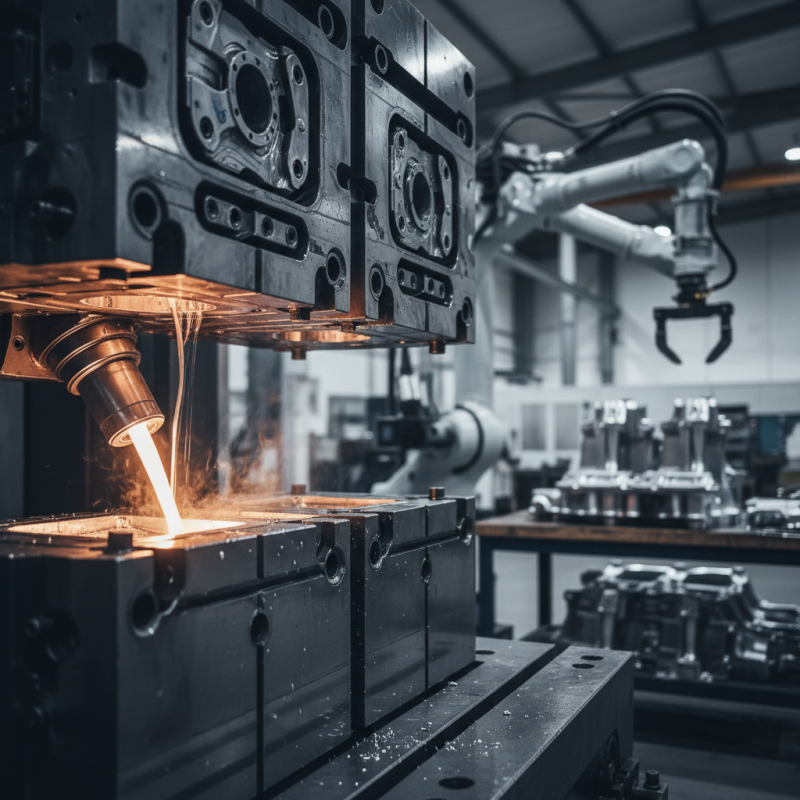
Essential Tips for Optimizing Die Casting Molds?
Optimizing Die Casting Molds is crucial for enhancing production efficiency. Every detail matters, and small adjustments can yield significant benefits. Die casting molds are at the heart of the manufacturing process. They dictate the final product's quality, durability, and precision.
Understanding the design and material of these molds is essential. Correcting any flaws early in the design phase can prevent costly errors later. Factors such as heat treatment and surface finish play a vital role. Sometimes, overlooked aspects can lead to unexpected challenges.
Effective maintenance of die casting molds is vital for longevity. Regular checks can reveal wear and tear, ensuring optimal performance. Mistakes in this process can impact production timelines. Reflecting on these practices will help manufacturers achieve better results and avoid common pitfalls.
Understanding the Importance of Mold Design in Die Casting Optimization
In die casting, mold design plays a critical role in overall efficiency. According to industry reports, nearly 70% of defects in cast parts can be traced back to mold issues. A well-designed mold not only enhances the quality of the final product but also reduces overall production costs.
One important tip for optimizing mold design is maintaining optimal cooling channels. Uneven cooling can cause warping or cracking. Designers should aim for precise temperature control across the entire mold. This attention to detail can significantly improve parts' dimensional accuracy.
Another essential aspect is the proper selection of materials for the mold. The material impacts durability and thermal conductivity. Different alloys and coatings can dramatically influence the lifespan of a mold. Keep in mind that failing to choose the right material can lead to higher maintenance costs and more frequent mold replacements, which may not be budget-friendly.
Regularly reviewing the mold design and process parameters is crucial. Even minor changes can result in substantial improvements. Reflecting on feedback from production runs can lead to adjustments that optimize efficiency. Prioritizing mold design in die casting is fundamental to achieving a competitive edge in the market.
Essential Tips for Optimizing Die Casting Molds
| Tip | Description | Importance |
| Material Selection | Choose the right alloy that enhances the mechanical properties and reduces casting defects. | High |
| Mold Design | Design molds with optimal geometry and cooling systems to minimize cycle time and defects. | Critical |
| Surface Finish | Invest in achieving the correct surface finish to promote better ejection and reduced wear. | Medium |
| Cooling Channels | Design effective cooling channels to ensure uniform temperature distribution and faster cycle times. | High |
| Ventilation | Incorporate adequate venting in the mold to release trapped air and gases, improving fill quality. | Important |
| Regular Maintenance | Perform regular inspections and maintenance on molds to prolong life and maintain quality. | Essential |
Key Material Considerations for Enhanced Die Casting Performance
When it comes to die casting performance, material selection is crucial. Aluminum alloys are the most common choice. They provide excellent fluidity and low density. However, not all aluminum alloys are created equal. Some may not withstand high temperatures. This can lead to mold deformation. In such cases, magnesium alloys might offer a better alternative. They have great strength and thermal resistance.
Tooling materials also need careful consideration. Steel molds are durable, while aluminum molds are lighter and easier to machine. Yet, aluminum molds wear out faster. This trade-off can affect production rates. Sometimes, it’s worth revisiting the material choice after evaluating these factors. A mismatch can lead to unanticipated costs and delays.
Surface treatments can enhance mold performance. Techniques like nitriding can improve hardness. Yet, they might not be suitable for every scenario. Some treatments can make surfaces brittle. This is where careful analysis comes into play. Each casting project demands its own material evaluation. Ignoring this could result in increased rejection rates, affecting your bottom line.
Essential Tips for Optimizing Die Casting Molds
This chart illustrates the tensile strength of various die casting mold materials. Understanding these performance metrics can assist manufacturers in selecting the right material for optimized casting performance.
Techniques for Reducing Cycle Time in Die Casting Processes
Reducing cycle time in die casting is crucial for improving efficiency. One effective technique is optimizing the cooling system. Efficient cooling can significantly shorten solidification time. Utilizing conformal cooling channels can help achieve this. These channels are designed to follow the contours of the mold. This allows for better heat transfer and faster cooling rates.
Another key area is the design of the mold itself. Lightweight molds can lead to reduced thermal mass. This means they cool faster and reduce cycle times. It’s important to find the right balance in the mold design. If the mold is too light, it may not withstand pressure. Testing different materials can provide valuable insights.
Finally, automation can greatly impact cycle times. Implementing robotic systems can streamline processes like degating and trimming. However, reliance on technology can be tricky. It’s essential to ensure machines are calibrated properly. Over-dependence might lead to issues if the system fails. Regular maintenance and monitoring are necessary to prevent downtime.
Strategies for Maintaining Die Integrity and Longevity
Maintaining the integrity and longevity of die casting molds is crucial for optimal production. Studies indicate that molds account for up to 25% of the manufacturing costs in die casting operations. Therefore, proper care is essential. It starts with regular inspection for wear and tear. Signs of erosion or pitting can lead to significant defects in the final product. Frequent checks can identify these issues early, preventing costly downtime.
Temperature control is another key factor. Operating within recommended temperature ranges is vital. Exceeding limits can cause rapid mold degradation. A temperature spike can warp the mold, reducing its effectiveness. Many experts suggest that keeping the temperature below 375°F can improve the lifespan of molds by up to 30%. However, maintaining consistent cooling rates is often overlooked. Uneven cooling can lead to cracks that compromise integrity.
In some instances, operators may not apply enough lubrication. This oversight can increase wear on moving parts. A simple oiling schedule is often forgotten in busy production environments. Regular maintenance can seem tedious but is essential. Sometimes, the most minor details can result in significant failures. Understanding these aspects is essential for manufacturers to reduce costs and enhance mold longevity.
Implementing Effective Cooling Systems for Improved Mold Efficiency
Effective cooling systems play a crucial role in optimizing die casting molds. Proper cooling reduces cycle times and improves product quality. According to a recent study by the American Foundry Society, enhancing cooling efficiency can boost production rates by up to 30%. This is significant for manufacturers looking to increase competitiveness in the market.
The design of cooling channels is vital. They need to ensure uniform temperature distribution across the mold. However, many molds still face issues with hotspots. These areas can lead to defects. Innovations in simulation tools are helping engineers visualize and refine cooling layouts. This step is essential for achieving better thermal management.
Daily maintenance also deserves attention. Regular checks on cooling systems can prevent costly downtime. A study indicates that 15% of production losses are related to cooling system failures. Investing in advanced monitoring technologies might help identify potential issues early. Reflecting on these factors is important for continuous improvement in the die casting process.