
China Top 10 304 Stainless Steel Angle Suppliers?

China Top 10 304 Stainless Steel Angle Suppliers?

China remains a major force in global stainless steel manufacturing and export. The International Stainless Steel Forum reported approximately 58.4 million tonnes of crude stainless steel production worldwide in 2023. China contributed the largest share, supported by extensive melting, rolling, cutting, and export capacity. This industrial base makes Chinese manufacturers important sources for 304 Stainless Steel Angle products.

304 stainless steel is widely selected for its corrosion resistance, formability, and practical cost. It commonly contains chromium and nickel, offering reliable performance in food equipment, architectural frames, chemical facilities, and general fabrication. However, product quality depends on more than the alloy label. Buyers should examine ASTM A276 or ASTM A479 compliance, dimensional tolerance, surface finish, heat treatment, mill certificates, and traceability records. Small details matter, especially at the angle’s inside corner and cut edges.

This guide introduces ten leading Chinese suppliers of 304 Stainless Steel Angle and explains how they compare. The selection should consider production experience, export history, inspection systems, stock availability, and technical support. Supplier websites can look impressive. They do not always prove consistent quality. Therefore, this overview should be treated as a practical starting point, not an unquestionable ranking. The World Steel Association and ISSF provide useful market context, but neither organization certifies individual suppliers. Buyers still need sample testing, document verification, and clear contract terms. Some suppliers may excel in custom sizes, while others offer faster standard shipments. That difference is easy to overlook. A careful comparison can reduce costly mistakes.
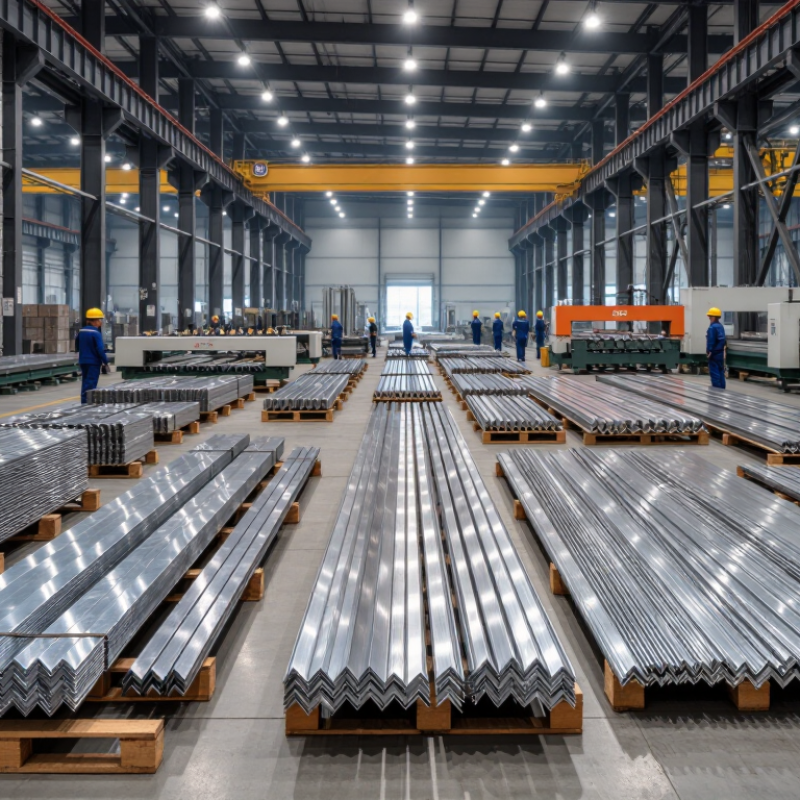
China Top 10 304 Stainless Steel Angle Suppliers?

What Is 304 Stainless Steel Angle and Where Is It Used?

China Top 10 304 Stainless Steel Angle Suppliers?

What Is 304 Stainless Steel Angle and Where Is It Used?

304 stainless steel angle is an L-shaped structural profile made from an austenitic stainless alloy. Its typical chemistry includes about 18% chromium and 8% nickel, according to technical data from the Nickel Institute. Chromium forms a passive oxide film, helping the angle resist moisture and many everyday chemicals.

It is commonly supplied with equal or unequal legs. Typical applications include food-processing frames, commercial kitchens, water-treatment equipment, architectural trims, and light industrial supports. It also appears around tanks, platforms, and wall-protection systems. Fabricators often select it for cleanability, weldability, and a smooth appearance. Still, it is not universally corrosion-proof.

The International Stainless Steel Forum reported global stainless steel production of approximately 58.4 million tonnes in 2023. That scale reflects stainless steel’s broad industrial use, but it does not make every grade suitable for every environment. 304 can suffer tea staining or pitting near saltwater, chlorides, and stagnant deposits. Site conditions matter more than a polished surface.

Buyers should check thickness, leg dimensions, surface finish, straightness, and material certificates. Relevant specifications may include ASTM A276, ASTM A479, or EN 10088, depending on the product and market. In practice, supplier claims need verification through heat numbers, test reports, and dimensional inspection. A cheaper angle can become expensive after fabrication.

How to Evaluate China’s 304 Stainless Steel Angle Suppliers

How to Evaluate China’s 304 Stainless Steel Angle Suppliers

Evaluating China’s 304 stainless steel angle suppliers requires more than comparing prices. Check the supplier’s production experience, export history, and quality-control process. Ask for recent mill certificates, not recycled templates. The certificate should confirm chemical composition, mechanical properties, heat number, and applicable standards. Verify whether the material meets ASTM, EN, or GB requirements for your project.

Request samples with your exact angle size, thickness, length, and surface finish. Measure them with calipers. Inspect the corners, straightness, welding marks, and protective packaging. A reliable supplier should explain its tolerance limits clearly. Traceability matters. Each bundle should connect to a heat number and inspection record. Independent testing can confirm chromium and nickel content when the order is important. Small details often expose weak controls.

A factory audit can reveal more than a polished website. Look at storage conditions, cutting equipment, inspection tools, and rejected-material areas. Ask how complaints are recorded and corrected. Low prices may hide inconsistent thickness or poor packing. I would not approve a supplier from one successful sample alone. That judgment can be too quick. Compare several batches and review communication during revisions. Delayed answers, unclear documents, or changing specifications deserve careful attention. A written agreement should define material grade, tolerances, testing, packaging, delivery terms, and acceptance procedures.

Top 10 China Suppliers of 304 Stainless Steel Angles

Top 10 China Suppliers of 304 Stainless Steel Angles

China offers a wide range of suppliers for 304 stainless steel angles, serving construction, food processing, marine equipment, and industrial fabrication. The strongest ten suppliers usually provide hot-rolled or cold-drawn angles in common sizes, including 25 × 25 mm and 50 × 50 mm. Their products should meet standards such as ASTM A276, ASTM A484, or EN 10088. Material certificates matter.

Experienced buyers should compare more than price. Check whether each supplier can provide PMI testing, dimensional inspection, heat numbers, and traceable mill test certificates. Surface options may include polished, pickled, or No. 1 finishes. Ask about thickness tolerance, corner shape, cutting accuracy, minimum order quantity, and export packaging. Wooden crates, waterproof wrapping, and separated bundles can prevent scratches and edge damage during shipment.

A practical supplier review also includes factory audits and sample orders. Request photos of production lines, inspection tools, and storage areas. Lead times often range from two to six weeks, depending on customization and stock levels. Some suppliers communicate quickly but offer vague inspection records. That is a warning sign. I would not rank a supplier highly without checking consistency across several batches. Even a clean sample can hide production variation. Small details, such as uneven legs or mixed heat numbers, can create costly problems later.

China Top 10 304 Stainless Steel Angle Suppliers? - Top 10 China Suppliers of 304 Stainless Steel Angles

Anonymized procurement comparison based on commonly specified stainless steel angle products and applicable international standards.

Rank Anonymous Supplier Profile Typical 304 Angle Forms Common Size Range Applicable Standards Typical Surface Finish Available Documentation Best-Fit Applications
01 Profile A — Large Stock Program Equal and unequal angles 20 × 20 × 3 mm to 150 × 150 × 15 mm ASTM A276; EN 10056-1; GB/T 706 Hot-rolled, 2B, No. 1, polished Mill test certificate, dimensional report, packing list Structural frames, equipment supports, general fabrication
02 Profile B — Custom Cutting Program Equal angles with cut-to-length service 25 × 25 × 3 mm to 100 × 100 × 10 mm ASTM A276; ASTM A479; EN 10204 No. 1, brushed, satin, mirror-polished 3.1 inspection certificate, heat number traceability, cut list Architectural trim, machinery guards, food-processing equipment
03 Profile C — Heavy-Section Program Heavy equal and unequal angles 50 × 50 × 5 mm to 200 × 200 × 20 mm ASTM A276; EN 10056-1; EN 10088-3 Hot-rolled and pickled Chemical analysis, mechanical test results, dimensional inspection Industrial platforms, tanks, pressure-equipment supports
04 Profile D — Small-Size Program Light equal angles 10 × 10 × 1.5 mm to 50 × 50 × 5 mm ASTM A276; JIS G4317; GB/T 706 Cold-drawn, polished, brushed Material certificate, gauge inspection, surface inspection Signage, display systems, light-duty assemblies
05 Profile E — Welded Angle Program Welded equal and unequal angles 40 × 40 × 4 mm to 300 × 300 × 25 mm ASTM A276; ASTM A480; EN 10204 Welded, ground, pickled and passivated Weld inspection, PMI report, dimensional report Large fabricated frames, conveyors, processing lines
06 Profile F — Surface-Finish Program Decorative equal angles 15 × 15 × 1 mm to 75 × 75 × 6 mm ASTM A276; ASTM A967; EN 10088-3 180-grit, 240-grit, 320-grit, mirror Surface roughness report, passivation record, material certificate Interior design, cleanrooms, commercial fit-outs
07 Profile G — Precision Tolerance Program Cold-finished equal angles 20 × 20 × 2 mm to 80 × 80 × 8 mm ASTM A276; EN 10056-2; EN 10204 Bright annealed, polished, brushed Dimensional tolerance report, straightness report, MTC Automation equipment, precision frames, laboratory fixtures
08 Profile H — Export Packing Program Standard equal and unequal angles 25 × 25 × 3 mm to 150 × 150 × 15 mm ASTM A276; EN 10056-1; GB/T 706 Hot-rolled, pickled, polished MTC, certificate of origin, fumigated packing documentation International construction and engineering projects
09 Profile I — Small-Batch Program Standard and custom-cut angles 20 × 20 × 2 mm to 100 × 100 × 10 mm ASTM A276; EN 10088-3; EN 10204 2B, No. 1, brushed MTC, quantity report, visual inspection report Maintenance, replacement parts, prototype projects
10 Profile J — Project Specification Program Equal, unequal and fabricated angles 30 × 30 × 3 mm to 250 × 250 × 25 mm ASTM A276; ASTM A479; EN 10056-1; GB/T 706 Pickled, passivated, brushed, polished Inspection and test plan, MTC, PMI, dimensional and packing reports Chemical, marine, energy and infrastructure projects
Procurement note: The profiles are intentionally anonymized. Size ranges and standards represent commonly specified 304 stainless steel angle offerings; supplier-specific stock, certification, tolerances, lead time and pricing should be confirmed against the purchase specification and current mill documentation.

Key Products, Certifications, and Manufacturing Capabilities

China’s leading 304 stainless steel angle suppliers usually serve construction, food-processing, marine, and industrial equipment projects. Their key products include equal and unequal angles, with common sizes from light structural sections to heavy-duty profiles. Buyers should confirm whether the angles are hot rolled, cold drawn, or welded. Manufacturing methods affect tolerance, surface finish, and project cost.

Reliable suppliers normally provide 304 and 304L grades, dimensional inspection reports, and material traceability. Useful certifications include ISO 9001, EN 10204 3.1 mill test certificates, and compliance documents for ASTM, EN, or JIS standards. Some factories also support PMI testing, chemical analysis, tensile testing, and salt-spray evaluation. Check the actual certificate issuer. A printed logo proves little.

Manufacturing capability matters beyond catalog size. Look for melting control, rolling equipment, solution annealing, pickling, cutting, polishing, and export packing. Protective film and wooden crates can prevent scratches during long transport. Experienced teams should explain corner radius, straightness, weight tolerance, and surface grade clearly. Ask for recent samples. They reveal more than promises.

No shortlist is perfect. A supplier may offer excellent steel but weak communication. Another may quote cheaply and provide inconsistent dimensions. I would compare three inspection records, not one. Factory audits, video inspections, and independent testing reduce uncertainty, though they cannot remove it completely. Supplier rankings should guide research, not replace technical judgment.

How to Compare Prices, Quality, Delivery, and After-Sales Service

China Top 10 304 Stainless Steel Angle Suppliers?

Comparing suppliers requires more than reading the lowest quote. Ask each supplier to price the same 304 angle size, thickness, length, finish, and tolerance. A quote for 40 × 40 × 4 mm angle cannot be compared with one using different dimensions. Check whether packing, inland transport, export documents, and testing fees are included. Low prices often hide missing details.

Quality should be verified through mill test certificates, chemical composition, mechanical results, and surface inspection. Request recent photos of bundled angles, stamped markings, and packaging before shipment. For critical projects, consider independent inspection or positive material identification.

I once accepted a clear-looking certificate too quickly; the heat number did not match the bundle. That mistake changed my purchasing checklist.

Delivery comparisons need realistic production dates, port schedules, and holiday delays. Ask for the planned loading date, not only a general lead time. Confirm how the supplier handles shortages, damaged bundles, or dimensional problems. After-sales service is measurable: response time, replacement terms, evidence requirements, and claim procedures should appear in writing. Test communication with a small technical question. Slow replies before payment rarely become faster afterward.

Good suppliers may not offer the cheapest price, but they explain assumptions, admit limits, and keep records that buyers can audit.