Pressure Reducing
Pressure Sustaining / Pressure Relief
Flow Control valves
Float Valves - Level Control
Electrically Actuated Valves
Pressure Modulation - Remote Control
Altitude Valves - Level Control
Burst Control Valves
Pump Control
CLA-VAL "HYTROL" Main Valve
Valve Controllers and Data Loggers
Air Valves
Automatic transmissions rely on clean fluid to support smooth shifting and protect closely fitted components. An Automatic Transmission Filter helps capture particles before they circulate through the system. Its performance depends on more than the filter media. Dimensions, flow capacity, sealing surfaces, and compatibility with a specific transmission also matter. Small mismatches can cause installation problems.
China has a broad manufacturing base for automotive filtration products, including transmission filters and related components. Yet supplier names alone do not tell buyers enough. This guide explores how to assess potential suppliers through product range, manufacturing capability, quality controls, and technical support. Useful checks include reviewing drawings, confirming vehicle or transmission applications, and requesting sample inspection. Ask how materials and batches are identified. Details matter.
A polished catalog is not enough. Buyers should look for clear specifications and consistent answers, then verify important claims through documents and practical testing. Certifications can be useful, but their scope and validity should be checked rather than assumed. Pricing deserves attention, too, though the lowest quotation may not reflect the full cost of fitment, quality checks, or delivery. Supplier evaluation is rarely perfect; some information may remain unclear until samples are tested. The sections ahead offer a practical framework for comparing Chinese suppliers and asking better questions before making a sourcing decision.
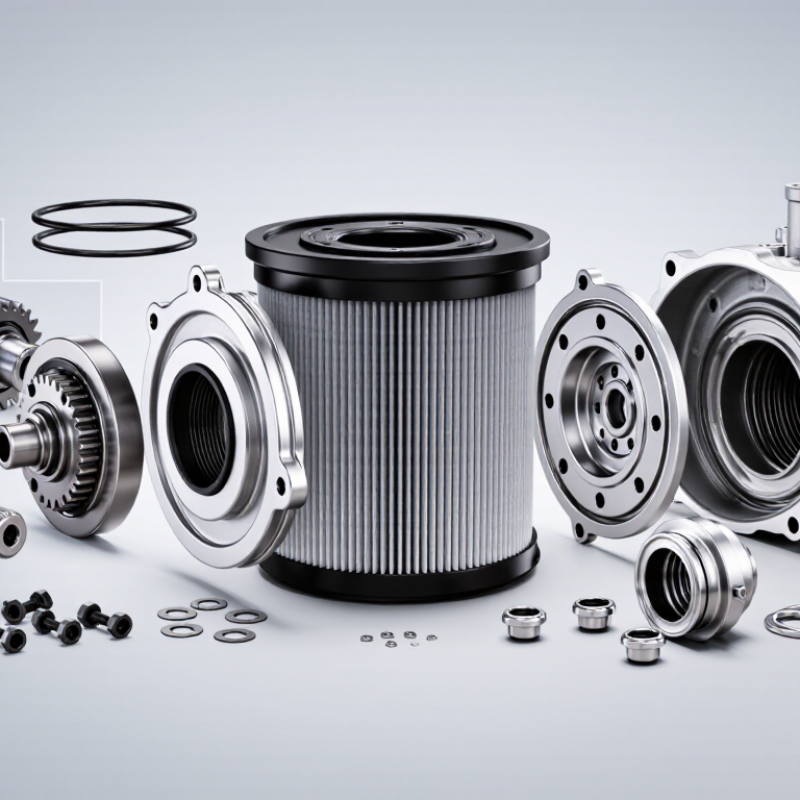
Automatic transmission filters help keep clutch material, metal particles, and other debris from circulating through the transmission. Many sit inside the transmission pan; some systems use an external filter. Their location and design vary, so the correct service procedure depends on the vehicle.
A restricted filter can reduce fluid flow and affect hydraulic pressure. Drivers may notice delayed shifts, slipping, or unusual noises, but these symptoms can have other causes. A filter change alone may not fix the problem. During service, a technician can inspect the fluid and pan for burnt odor, dark residue, or visible metal. Small parts matter. Regular checks and the vehicle’s maintenance schedule offer a more reliable guide than a fixed interval for every car.
Tips:Check the owner’s manual before choosing a filter or service interval. Use the specified Transmission Fluid, and make sure the pan is seated correctly after service. Keep the old filter for inspection if debris or shifting problems prompted the repair.
Top Automatic Transmission Filter Suppliers in China?
Main Types of Automatic Transmission Filters
Automatic transmission filters commonly include sump filters, inline filters, and cartridge-style filters. Sump filters sit inside the transmission pan, where they screen fluid before it reaches the pump. Many use a metal mesh or felt-like media. A mesh screen is durable, but it may capture finer particles less effectively than some layered media. Fit matters most.
Inline filters are installed in fluid lines, often near the cooler circuit. Their sealed housings can add filtration without opening the transmission pan, but placement and flow direction matter. Cartridge filters use a replaceable element inside a housing. They can simplify servicing, although housing dimensions and seal quality must match the application. Details can vary.
When comparing suppliers in China, ask for drawings, material specifications, and test data for the exact filter type. Check dimensions, connection points, media construction, and pressure-drop results. These details help confirm that a filter can maintain fluid flow while capturing debris. Supplier claims alone are not enough; request sample inspection or documented quality checks. Even small fitment differences can cause trouble, and product information is not always as complete as a buyer would like.
A simple classification of common filter designs by typical mounting position.
Internal examples: pan or sump pickup filters and internal cartridge filters. External examples: inline filters and spin-on filters. Counts show the number of examples in this classification, not supplier numbers, sales, or market share. Designs vary by transmission.
When evaluating Chinese automatic transmission filter suppliers, compare technical evidence, not just quoted prices. Ask for the filter’s rated efficiency, pressure-drop data, operating-temperature range, and bypass-valve specifications. Check that these figures match your transmission design and fluid requirements.
Ask for evidence. A supplier should provide current inspection records and explain how it controls media, seals, and dimensional tolerances. A polished catalog is not proof of consistent production.
Request samples from a routine production batch, then check dimensions, pleat uniformity, seam bonding, and gasket fit. Where possible, run the filter under representative flow and temperature conditions.
Small details matter. Ask how the supplier handles failed inspections, material changes, and traceability between batches. Review its quality procedures and arrange a factory audit if order volume justifies the cost.
Communication also deserves attention: clear answers about lead times and test methods are more useful than broad promises. No evaluation is perfect; a sample may not reflect every shipment, so keep incoming checks in place.
Leading automatic transmission filter suppliers in China are evaluated by more than price. Look for clear material specifications, stable production processes, and documented inspection steps. A capable supplier should explain how filter media, sealing rings, and housing dimensions suit the intended transmission application. Ask for sample parts and check fit, pleat consistency, and leakage performance before placing a large order. Small details matter.
For a reliable comparison, request traceable test records and confirm how production batches are identified. Discuss packaging, minimum order quantities, lead times, and how design changes are communicated. Suppliers with in-house testing may offer better visibility, but verify what each test covers rather than relying on broad claims. A factory visit or independent sample inspection can reveal gaps that a polished catalogue may not show. No checklist catches everything.
Tips: Send the supplier the exact vehicle or transmission reference, drawings, and operating conditions. Keep one approved sample for future comparison. If a quotation seems unusually complete, check the assumptions behind it; specifications can still be misunderstood.
When comparing automatic transmission filter suppliers in China, look beyond quoted price and sample appearance. OICA’s 2023 production statistics report about 30.2 million vehicles built in China, within roughly 93.5 million worldwide. That scale signals a broad manufacturing base, not guaranteed filter quality. Ask for material specifications, inspection records, and traceability from media rolls to finished parts. Request samples from routine production, then check dimensions, pleat consistency, seal fit, and debris after a controlled flow test. Small differences matter. A neat sample can hide unstable production.
Capacity should be verified against your order pattern, not a factory’s largest stated output. Review monthly production records, equipment availability, backup tooling, and how the supplier handles demand spikes. Ask for evidence of change control when filter media, adhesives, or tooling change. Support matters after approval: confirm response times, technical documentation, packaging details, and how nonconforming batches are investigated. A supplier that answers clearly is easier to work with. Still, paperwork is not performance; an audit and repeat sample checks are useful. One common sourcing mistake is treating a low unit price as proof of value. It is not. Compare landed cost, defect handling, and realistic lead times before deciding.
CLA-VAL UK Limited
Dainton House
Goods Station Road
Tunbridge Wells
Kent, TN1 2DR
© 2025 CLA-VAL UK | site map | Terms and Conditions of Sale and Warranty | Privacy policy