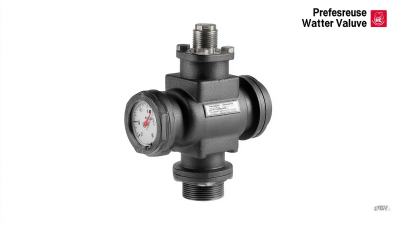
Water Pressure Control Valve Tips for Optimal Performance?
Water Pressure Control Valves play a crucial role in maintaining optimal water flow. These devices regulate pressure fluctuations, ensuring a steady supply. However, many users overlook their importance in residential and industrial applications. Neglecting this aspect can lead to inefficiency and costly repairs.
In practice, the performance of a Water Pressure Control Valve can fluctuate due to various factors. For instance, improper installation or inadequate maintenance can hinder its effectiveness. Users often face challenges in diagnosing problems. Understanding the valve's mechanics is essential for achieving desired outcomes. Regular checks and adjustments can enhance performance and longevity.
While some may assume these valves operate flawlessly, they require attention. Not all valves are created equal; quality varies significantly. Investing in reliable models can significantly impact overall efficiency and water conservation efforts. Adopting best practices in monitoring and maintenance can make a significant difference in performance.
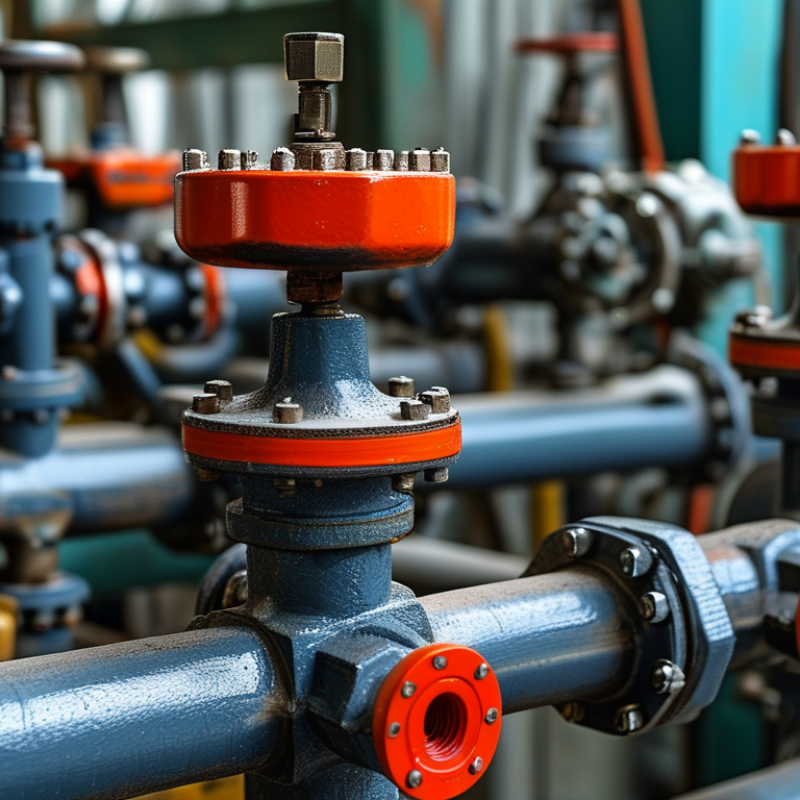
Understanding the Role of Water Pressure Control Valves
Water pressure control valves play an essential role in maintaining a balanced water system. These valves manage the pressure levels within pipes, ensuring that water flows consistently to various fixtures. A well-functioning valve can prevent issues such as leaks, bursts, and inefficient water usage. This is crucial in both residential and industrial settings.
Understanding how these valves operate is vital. They adjust the pressure based on real-time needs. This means they respond to fluctuations in demand. However, some users may overlook the importance of regular maintenance. Neglect can lead to performance issues, causing more significant problems over time. Observing fluctuating water pressure may indicate that a valve is not functioning optimally.
Confusion may arise when trying to identify the right settings. Mistakes in adjustments can lead to overly high or low pressures. It may be necessary to experiment with different settings to find the optimal balance. No system is perfect, and consistent monitoring is key. Taking time to understand the intricacies of these valves can lead to better water management and efficiency.
Types of Water Pressure Control Valves and Their Applications
Water pressure control valves are vital in managing water supply systems. They prevent damage caused by excessive pressure. Understanding the types of valves available can enhance their use in different applications.
There are several types of water pressure control valves. For instance, pressure-reducing valves (PRVs) lower incoming pressure to safe levels. They are perfect for residential plumbing and irrigation systems. Another type is the pressure relief valve, which opens to discharge excess pressure. This is critical in protecting machinery.
Different applications require different valves. Some valves are more effective in commercial settings, while others suit residential needs. Evaluating specific conditions is essential for optimal performance. Always consider potential issues, such as improper sizing or installation errors, that can hinder functionality. Effective water management depends on selecting the right valve for your system.
Key Factors Affecting Water Pressure Control Valve Performance
When considering water pressure control valves, several key factors significantly impact their performance. First, the valve size is crucial. A valve that is too small may restrict flow, leading to pressure drops. Conversely, an oversized valve can cause flow turbulence, which negatively affects efficiency. According to the American Water Works Association, nearly 30% of water losses in municipal systems stem from improper valve sizing.
Another important factor is the material construction of the valve. Corrosion-resistant materials, such as stainless steel or PVC, enhance durability and reduce failure rates. Studies from the National Sanitation Foundation indicate that valves made with these materials have a lifespan up to 50% longer than those made from inferior metals. Regular maintenance, including cleaning and inspections, will also ensure optimal operation and prevent costly leaks.
Environmental conditions can also play a vital role in performance. Valves exposed to extreme temperatures or aggressive fluids may degrade more quickly. Research has shown that fluctuations in temperature can affect sealing materials, leading to leaks. Thus, understanding the operating environment is essential for extending the service life of these valves. In summary, ensuring the right size, material, and maintenance routine is vital for achieving optimal performance in water pressure control valves.
Best Practices for Installation and Maintenance of Pressure Control Valves
Installing and maintaining pressure control valves is crucial for optimal water management. Proper installation starts with selecting the right location. Ensure the valve is easily accessible for future maintenance. When mounting, use the appropriate tools to avoid damaging the valve body. A common pitfall is not paying attention to the flow direction. Verify the arrow on the valve aligns with the pipeline flow.
Regular maintenance is essential to keep the valve functioning properly. Periodically inspect for leaks or unusual noises. These signs may indicate wear or misalignment. Cleaning the valve and surrounding area can prevent buildup that affects performance. It’s important to replace seals and gaskets as needed to maintain integrity.
Documenting maintenance activities is often overlooked but valuable for troubleshooting. Maintaining accurate records helps identify patterns or recurring issues. Sometimes, despite best efforts, problems arise unexpectedly. Understanding this can improve your maintenance strategy over time. Always be prepared for the unexpected to achieve longevity in your pressure control valves.
Common Issues and Troubleshooting Tips for Water Pressure Control Valves
Water pressure control valves are vital for a stable water supply. However, they can encounter issues over time. Common problems include fluctuating water pressure and leaks. These can disrupt daily activities or damage plumbing.
To troubleshoot, start by checking the valve settings. Sometimes, they may need adjustment. A simple turn might restore optimal pressure levels. Inspect for leaks around the valve. A wet area could indicate a faulty seal. If leaks persist, replacing the valve may be necessary.
Keep an eye on unusual noise. Sounds like hissing or banging can signal air trapped in the system. Bleeding the lines can often eliminate these noises. Regular maintenance, such as cleaning the valve, can prevent future issues. Remember, even minor changes in your home can affect water pressure. Stay proactive for the best results.
Water Pressure Control Valve Performance Metrics
This chart illustrates common water pressure levels in different residential areas, showcasing how varying conditions affect valve performance and identifying potential issues that may arise at specific pressure ranges. Proper monitoring can prevent valve failure and ensure optimal functionality.