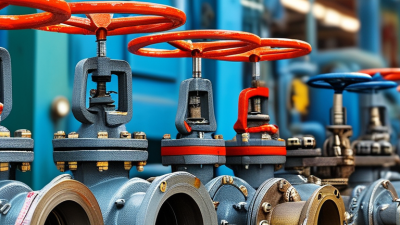
Why Choose a Regulator Valve for Global Sourcing?
Choosing a Regulator Valve for global sourcing requires more than comparing prices. It demands practical judgment, verified performance, and clear technical communication. In real procurement projects, a small valve can influence pressure stability, equipment safety, maintenance costs, and delivery schedules. A reliable supplier should provide material certificates, pressure test records, dimensional drawings, and traceable inspection data. These details help buyers compare products fairly across different markets.
Field experience also shows that specifications must match actual operating conditions. Pressure range, fluid type, temperature, connection size, and control accuracy all affect valve selection. A polished product catalog is not enough. Ask how the valve performs after repeated cycles, during transport, and under changing supply conditions. Sample testing can reveal issues that photographs hide. Sometimes, the lowest quotation creates the highest long-term cost.
Global sourcing also depends on supplier consistency. Production capacity, quality controls, packaging methods, and after-sales support deserve careful review. A responsive manufacturer can explain technical limits without making exaggerated promises. That matters when installations involve water systems, gas equipment, industrial lines, or process machinery. Regional standards may differ, so independent verification remains valuable. No sourcing plan is perfect. Even experienced buyers can overlook a gasket material or an unclear tolerance. That is why documented checks, realistic lead times, and open communication should guide every decision. The right Regulator Valve is not simply inexpensive. It is a dependable component supported by evidence, suitable engineering, and responsible supply practices.
What Is a Regulator Valve and How Does It Work?
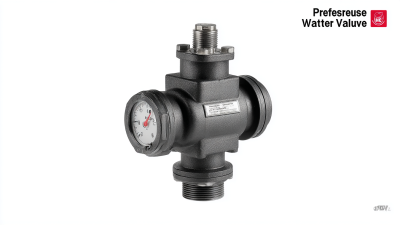
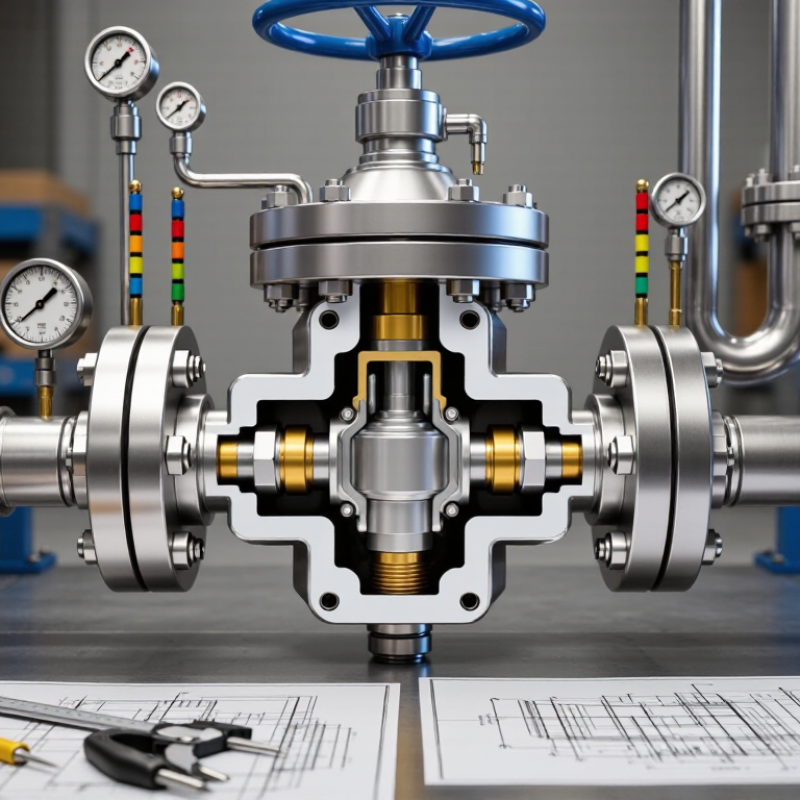
A regulator valve controls downstream pressure, even when inlet pressure changes. It receives high-pressure fluid and releases it through a smaller, controlled opening. Inside, a sensing diaphragm measures outlet pressure. A spring sets the desired pressure range. When outlet pressure falls, the diaphragm moves and opens the valve. When pressure rises, it pushes the mechanism toward closure. This creates continuous feedback. Simple in principle. Precise in practice.
For global sourcing, this working principle affects every specification. Buyers should confirm the medium, pressure range, temperature, connection size, and required flow rate. Materials also matter, especially in humid, corrosive, or outdoor environments. Ask suppliers for pressure-test records, material details, calibration procedures, and inspection evidence. A valve may look correct but perform poorly under fluctuating demand. In my experience, unclear operating data causes more problems than the valve body itself. No selection is perfect. Recheck assumptions.
Tips: Define normal and peak flow conditions before requesting quotations. Compare tested performance, not only price. Inspect the diaphragm, spring, threads, and sealing surfaces when samples arrive. Also ask how replacement parts are identified. Small documentation gaps can become expensive delays.
Which Industries and Applications Use Regulator Valves?
Why Choose a Regulator Valve for Global Sourcing?
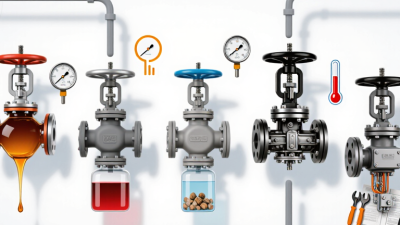
Regulator valves serve industries that need stable pressure, predictable flow, and safer equipment operation. Water treatment plants use them to control pressure in filtration and dosing systems. In food and beverage facilities, they protect filling lines, cleaning equipment, and compressed-air tools. Their compact design also suits limited installation spaces.
Pharmaceutical and laboratory applications demand clean materials, accurate adjustment, and dependable sealing. Regulator valves manage gases in testing equipment, sterilization systems, and controlled production areas. HVAC contractors use them in heating circuits, refrigeration systems, and pneumatic controls. Manufacturing plants rely on them for presses, automation lines, and spray equipment. Oil, gas, and chemical facilities may require stronger materials and specialized seals. The correct choice depends on pressure range, fluid compatibility, temperature, flow capacity, and maintenance access. One detail is easy to overlook: unstable inlet pressure can affect outlet performance.
Tips:
Confirm the medium before comparing valve prices. Check the required setpoint, connection size, and maximum temperature. Ask for test reports and material certificates when reliability matters. A diaphragm model may suit clean gas, while a piston design can handle demanding pressure conditions. Do not assume a universal valve fits every line. Field experience shows that incorrect sizing creates noise, vibration, and premature wear. Selection is rarely perfect on the first attempt. Review operating data after installation, then adjust the specification if needed.
What Advantages Do Regulator Valves Offer in Global Sourcing?
Regulator valves give global sourcing teams a practical way to control pressure across changing supply conditions. In field installations, stable pressure protects gauges, seals, actuators, and downstream equipment. That protection can reduce emergency maintenance and improve operating consistency. A suitable valve also supports different inlet pressures without forcing every component to carry the same load. Small adjustment, meaningful effect. Engineers usually assess flow rate, pressure range, temperature, media compatibility, connection standards, and expected duty cycle before approval. These details matter more than a low purchase price.
For international procurement, standardization is a major advantage. A clearly specified regulator valve is easier to compare across qualified suppliers and production regions. Shared dimensions and documented test requirements can simplify replacement planning. They may also reduce spare-part variety at multiple sites. Better documentation helps. Reliable suppliers should provide material records, calibration information, pressure-test results, and traceability data. Technical drawings should match the delivered product, not an outdated quotation. In my sourcing experience, a sample that performs well is not enough. Batch consistency needs evidence.
Regulator valves can also improve cost control over the equipment’s service life. Accurate pressure management may limit waste, reduce wear, and prevent costly shutdowns. Yet global sourcing has weak points. Shipping damage, unclear specifications, and inconsistent inspection can erase expected savings. No plan is perfect. Buyers should define acceptance criteria, request pre-shipment inspection, and verify performance under realistic conditions. The cheapest option can become expensive quickly. A balanced decision considers safety, availability, documentation, lifecycle cost, and local technical support. That approach makes the valve a dependable part of a global supply chain, rather than merely another line item.
How to Evaluate Regulator Valve Suppliers and Product Quality?
Global sourcing can lower procurement costs, but a regulator valve must earn trust before it earns a purchase order. Evaluate the supplier’s engineering experience with your media, pressure range, temperature, and installation environment. Ask for material certificates, flow curves, pressure test records, and a clear traceability system. A serious supplier should explain how each valve moves from raw material to final inspection. Vague answers are costly later.
Inspect product quality through samples, not polished photographs. Check body finish, thread accuracy, diaphragm movement, spring consistency, and outlet stability under changing inlet pressure. Request a test report linked to the sample’s serial number or batch code. Confirm calibration equipment is maintained and independently verified. You should also review failure data, corrective-action records, and warranty terms. Good suppliers discuss defects openly. That matters.
Supplier reliability includes communication, packaging, documentation, and response time. Ask for drawings, installation instructions, spare-part lists, and certificates in the required language. A small pilot order can reveal packing damage, inconsistent markings, or delayed answers. Do not treat one successful sample as proof of stable production. I learned that the hard way. Audit production controls when possible, including incoming inspection, assembly checks, leak testing, and final pressure verification. Leave room for doubt. It encourages better questions.
What Factors Influence Regulator Valve Costs and Supply Risks?
Why Choose a Regulator Valve for Global Sourcing?
What Factors Influence Regulator Valve Costs and Supply Risks?
Global regulator valve sourcing is not only a price exercise. Costs begin with body material, trim, diaphragm, spring range, and calibration. Stainless alloys can change with nickel prices. The USGS Mineral Commodity Summaries 2024 identifies continued concentration in global nickel production. That concentration can increase material and lead-time risks. A cheaper specification may also require extra inspection, rework, or field adjustment. Small details matter. A stable set point matters more than a dramatic quotation.
UNCTAD’s Review of Maritime Transport 2024 reports that over 80% of world merchandise trade by volume moves by sea. Route disruptions can raise freight, insurance, and delivery-buffer costs. Drewry’s World Container Index also shows how quickly container prices can change during disruption periods. For regulator valves, the hidden risk is not only transportation. A missed pressure test, incomplete certificate, or delayed casting can hold a shipment for weeks. I would not treat supplier capacity as proven without recent production records. That rule is imperfect, but safer than trusting a spreadsheet.
Tips: Request a full landed-cost breakdown. Include material, testing, packaging, freight, and inspection. Check twelve-month lead-time history. Qualify a second source for critical castings. Define acceptance criteria before ordering. Keep spare seals and diaphragms where downtime is costly. Ask for traceable test records, not promises.