Why Are Control Valves Important in Industry?
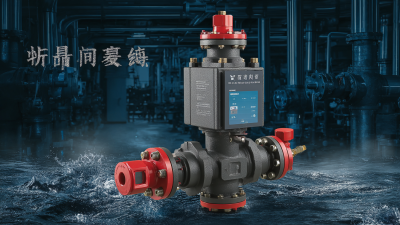
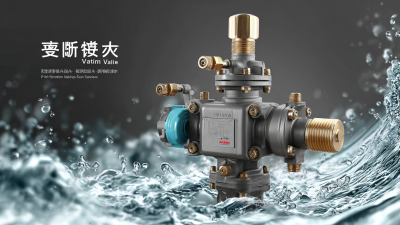
Control valves are easy to overlook: a metal body, actuator, and positioner tucked beside a pipe. Yet they continuously adjust flow, pressure, temperature, or liquid level as process conditions change. A valve that sticks can cause pressure swings, off-specification product, wasted energy, or an avoidable shutdown. Small movements matter.
Their industrial significance is reflected in market data, though market growth alone does not prove operational value. Grand View Research’s Control Valves Market report projects a 6.3% compound annual growth rate for 2024–2030. The U.S. Department of Energy’s Improving Steam System Performance: A Sourcebook for Industry also treats sound control and system assessment as part of efficient steam operation. These sources describe different things: one tracks investment, the other guides plant practice. Both point to a basic reality—process control depends on components that respond reliably under changing loads.
Consider a steam line serving a production unit. If its control valve hunts, operators may see pressure fluctuate on a nearby gauge, hear the actuator cycle, and find temperature drifting at the equipment. Not subtle. Proper sizing, compatible materials, routine inspection, and calibrated instrumentation all help, but no valve works well in isolation. Poor tuning or a failing sensor can undermine a sound valve. And a control valve is not, by itself, a complete safety system. That distinction is easy to blur. This article explores why Control Valves matter across industrial processes, what they contribute to stable operation, and where their limits deserve careful attention.

What Control Valves Are and How They Operate
In an industrial process, a control valve adjusts the flow of a liquid, gas, or steam through a pipe. It may help maintain pressure, temperature, or liquid level. Unlike a simple on-off valve, it can hold intermediate positions and make gradual changes.
A controller sends a signal to an actuator, which moves the valve’s internal parts. Depending on the design, a plug, disk, or ball changes the opening and restricts flow. Sensors measure process conditions and send feedback, allowing the controller to adjust the valve again. Small shifts count. For example, a valve may open slightly when a tank level drops, then close as the level recovers. The response depends on valve sizing, actuator setup, and process conditions.
The mechanism sounds straightforward, but real systems are less tidy. A valve that is poorly sized may react too sharply or struggle to control flow. Wear, deposits, or air-supply problems can also affect movement. That matters. During commissioning, technicians often compare the commanded position with actual valve travel and check for leaks or vibration. Even careful checks cannot prevent every issue, so operating conditions and maintenance records deserve attention.
Where Control Valves Fit in Industrial Processes
Control valves sit where measurement meets action in an industrial process. A sensor detects a change in pressure, temperature, or flow, and a controller signals the valve to adjust. The valve then changes the opening through which a fluid or gas passes. This feedback loop helps keep conditions within operating limits, even as demand shifts.
Consider a boiler feedwater line. If water flow falls, the control system can open the valve to restore the required rate. In a heat exchanger, a valve may regulate steam flow to keep the outlet temperature steady. Small movements matter. Poorly chosen settings can cause pressure swings, noisy piping, or uneven heating. Not every fluctuation is a valve problem, though; sensor placement and process delays also affect response.
Control valves also help operators manage startup, changing loads, and shutdown conditions. Their location depends on the process: some regulate flow near a pump, while others control pressure or temperature farther along a line. Engineers consider fluid properties, expected flow range, pressure drop, and the actuator’s response when selecting a valve. A valve that is too large may struggle to make small adjustments. Maintenance teams check for wear, leaks, and sluggish movement because a control loop is only as dependable as its working parts. A tidy process diagram can make this relationship look simple. Real systems are less tidy.
How They Regulate Flow, Pressure, Temperature, and Level
In an industrial process, a control valve changes how much fluid passes through a line. A sensor measures flow, pressure, temperature, or level, and a controller adjusts the valve to correct a deviation. An operator may see the effect as a steadier gauge reading or fewer temperature swings near a heat exchanger. Small movements matter. That matters.
For flow control, the valve can keep a feed rate stable as demand changes. Pressure control may use it to reduce pressure downstream, protecting equipment from damaging fluctuations. In a steam line, temperature control often works by adjusting steam flow to a heater. Level control is just as practical: a valve on a tank outlet can prevent the level from climbing toward an overflow or falling too low for a pump. Not always. A valve that sticks or responds slowly can make readings hunt up and down.
Reliable control depends on more than the valve body. Correct sizing, compatible materials, actuator selection, and routine inspection all affect performance. A valve sized too large may make small adjustments difficult; one sized too small may restrict capacity. Operators should compare instrument readings with actual process behavior, especially after maintenance or a change in operating conditions. A specification can look right on paper and still need adjustment in service. That deserves a closer look.
How Control Valves Support Safety and Process Efficiency
In an industrial process, a control valve adjusts the flow of liquid, gas, or steam as conditions change. That adjustment can keep pressure, temperature, and tank levels within safe operating limits. For example, a valve may reduce steam flow when a vessel approaches its temperature target. This helps prevent overheating and avoids unnecessary energy use. Small details matter.
Reliable control also supports workers. A properly selected valve can respond to changing demand without sudden pressure swings or unstable flow. Position feedback helps operators see whether the valve is moving as commanded. If it sticks or responds slowly, alarms and routine checks can prompt investigation before the problem grows. Not always. Sensors, control logic, and maintenance practices must also work as intended.
Efficiency depends on choosing a valve that fits the actual process, not just the pipe size. Fluid properties, operating pressure, and expected flow range all affect performance. During commissioning, technicians can compare valve response with process readings and adjust settings where needed. Even careful calculations may miss real-world behavior, such as deposits or changing feed conditions. Regular inspection helps reveal wear, leakage, and sluggish movement before they disrupt production.
What Affects Control Valve Selection and Performance
Control valve selection begins with the process, not the pipe size. Engineers need to know the fluid, flow range, inlet and outlet pressures, temperature, and how quickly the system must respond. A valve sized too large may operate near its seat, making control erratic. Too small, and it may restrict required flow. For liquid service, check pressure drop carefully: cavitation can cause noise, vibration, and trim damage. IEC 60534-2-1 provides standardized methods for calculating valve capacity, but calculations still depend on sound process data. Small details matter.
Pressure loss also affects energy use. The U.S. Department of Energy’s Improving Pumping System Performance: A Sourcebook for Industry reports that pumping systems can account for 25–50% of energy use in some industrial facilities. A control valve is only one part of that system, but unnecessary throttling can add avoidable demand. Actuator sizing, fail position, signal type, and maintenance access shape performance too. Dust, heat, and sticky deposits may change how a valve behaves after installation. A sizing sheet is useful, but it cannot capture every upset. That deserves a second look. Good selection means checking real operating conditions, then confirming performance during commissioning—not assuming the design will behave perfectly.